Share
Introduction: From Trailhead to Boardroom, There's a Barefoot Shoe for That
The world of barefoot footwear has exploded. Gone are the days when "barefoot shoe" was synonymous with a single, quirky design. Today's market is a vibrant ecosystem of specialized footwear, proving that the principles of natural movement can be applied to virtually any activity. Whether you are scrambling up a rocky trail, logging miles on the pavement, navigating the urban jungle, or even dressing for a professional setting, there is a barefoot shoe designed to help you do it with stronger, healthier feet.
This guide cuts through the noise. We have synthesized expert reviews, hands-on testing data, and user feedback to bring you the definitive list of the best barefoot shoes for 2025-2026. We will break down the top picks for every major category, highlighting the features, pros, and cons that matter most, so you can find the perfect pair to free your feet.
How We Tested: Our Evaluation Criteria for 2025-2026
Before diving into our picks, it is important to understand how we arrived at these recommendations. Every shoe in this guide was evaluated through a rigorous, multi-factor testing process designed to separate truly exceptional barefoot footwear from the rest of the pack.
We assessed each shoe across five core criteria:
- Ground Feel: The fundamental promise of barefoot footwear. We tested how well each shoe transmits sensory feedback from the terrain beneath you. Thinner, more flexible soles scored higher, but we also considered whether the level of ground feel was appropriate for the shoe's intended use case.
- Durability: We put each shoe through extended real-world use, logging hundreds of miles on trails, roads, and urban environments. We inspected outsole wear patterns, upper material integrity, stitching quality, and overall construction to assess how well each model holds up over time.
- Fit & Toe Splay: A proper barefoot shoe must allow your toes to spread naturally. We evaluated the width and shape of each toe box, the security of the heel fit, and how well the shoe accommodates a range of foot shapes without pressure points or slippage.
- Breathability & Comfort: We tested each shoe across different temperatures and conditions, noting how well the upper material manages moisture, airflow, and overall foot comfort during extended wear. Shoes that kept feet cool and dry without sacrificing structure scored highest.
- Value: Price alone does not determine value. We weighed each shoe's performance, build quality, and longevity against its price tag to determine which models deliver the best return on your investment. A $50 shoe that lasts 300 miles can be a better value than a $200 shoe that lasts 600.
With these criteria in mind, here are our expert-tested picks across every major category for 2025-2026.
For the Trail Seeker: Best Barefoot Hiking Shoes & Boots
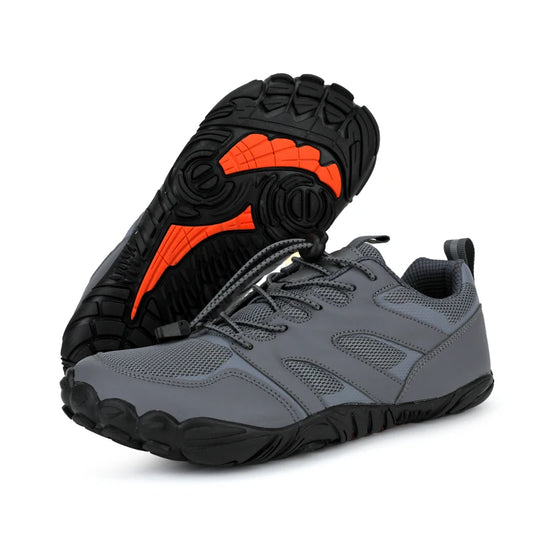
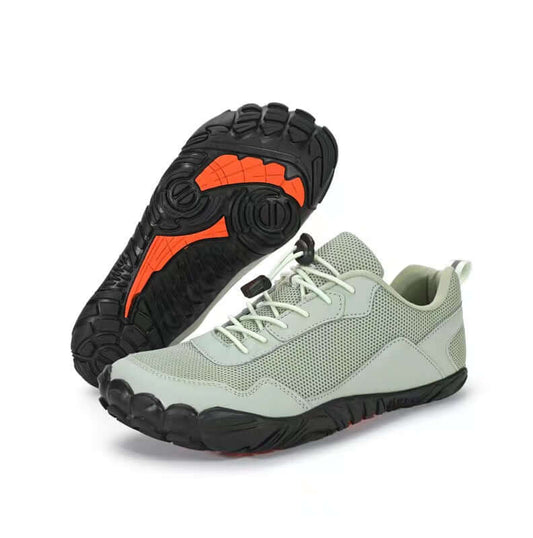
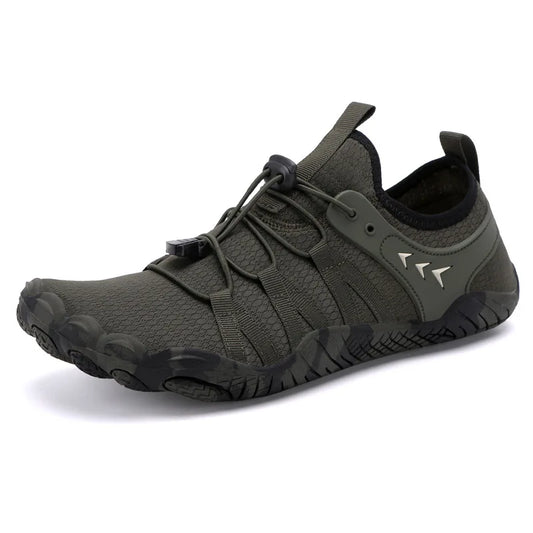
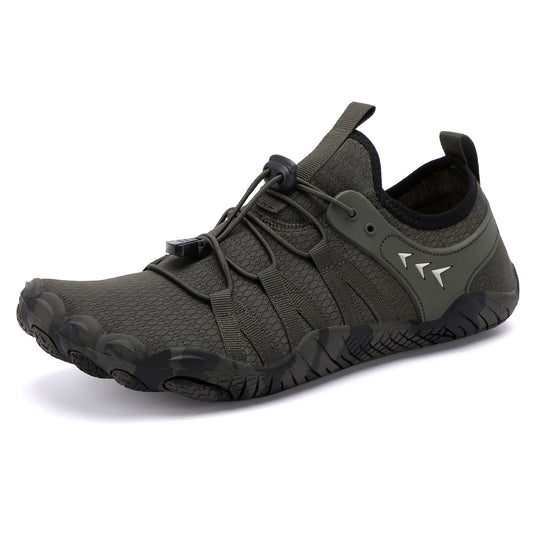
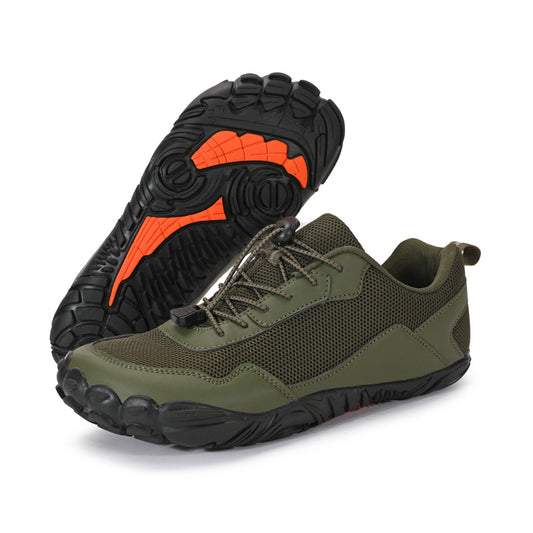
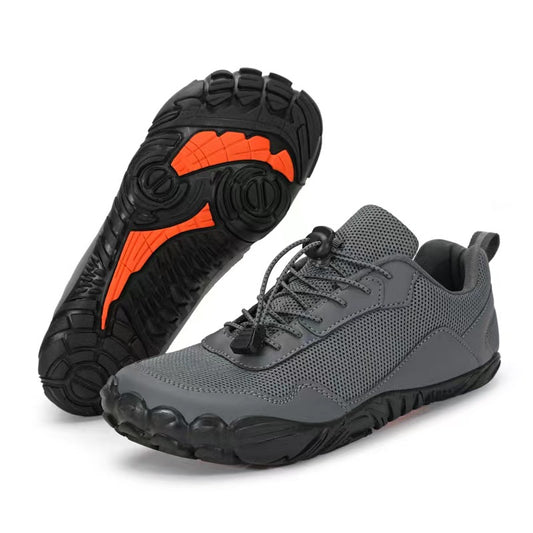
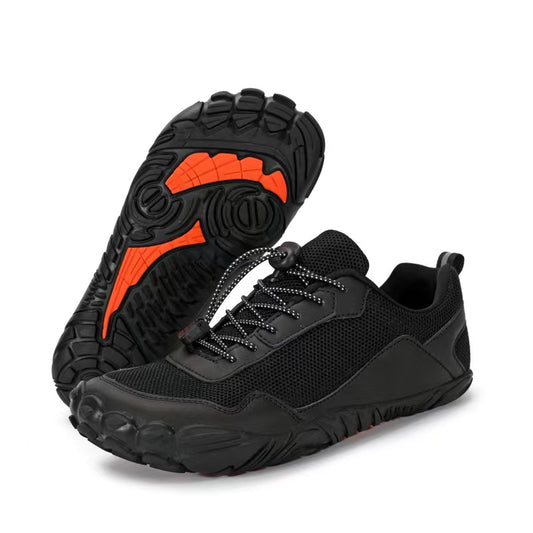
Barefoot hiking requires a delicate balance between ground feel and protection. The ideal shoe needs a grippy, durable outsole to handle unpredictable terrain, but a sole that is still thin and flexible enough to allow your feet to read and react to the trail. If you are looking for barefoot trail footwear designed specifically for outdoor adventures, the JOYO Outdoor Collection offers excellent options built on these same principles.
Best Overall Hiker: Xero Shoes Mesa Trail II
The Mesa Trail II is a master of versatility, consistently earning top marks as the best all-around barefoot hiker in 2025-2026. Its FeelTrue® rubber outsole with 3.5mm lugs provides confident traction on everything from muddy paths to loose dirt, while its 8.5mm stack height (with a removable 3.5mm insole) offers an exceptional balance of ground feel and protection. Testers have logged over 500 miles in these shoes, praising their durability and their ability to perform equally well as a trail runner and a day hiker.
Best Waterproof Hiker: Xero Shoes Scrambler Trail Low WP
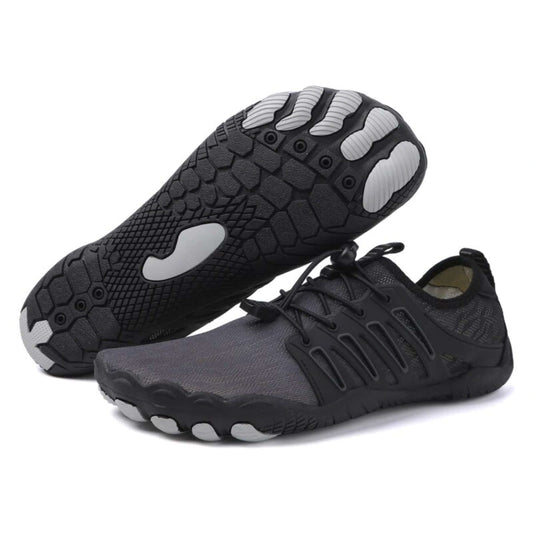
For those who don't let rain or stream crossings end their adventure, the Scrambler Trail Low WP is the clear winner. Its standout feature is a Michelin rubber outsole that delivers superior grip on wet, slippery surfaces. A fully waterproof inner membrane keeps feet dry in moderate rain and mud, while a reinforced toe box adds important protection. Despite the waterproofing, it maintains a respectable level of ground feel, making it a reliable choice for wet-weather warriors. For water-specific activities beyond the trail, explore the JOYO Aqua Collection designed for aquatic environments.
Best Premium Hiking Boot: Vivobarefoot Tracker FG
When durability and all-weather performance are paramount, the Vivobarefoot Tracker FG stands in a class of its own. This is an investment-grade boot crafted from premium, waterproof leather that molds to your foot over time. Its aggressive lugs provide outstanding traction on the most rugged terrain. While more substantial than other barefoot models, its thin, flexible sole ensures that you still feel connected to the trail. For serious, long-distance trekkers, the Tracker is the gold standard.
For the Pavement Pounder: Best Barefoot Running Shoes
A great barefoot running shoe should feel like an extension of your foot, lightweight, incredibly flexible, and secure, with just enough sole to protect you from road hazards without dulling sensory feedback.
Best for Pure Ground Feel: Merrell Vapor Glove 6
If your goal is the most authentic barefoot experience possible, the Merrell Vapor Glove 6 is your shoe. With a minuscule 6-millimeter total stack height, it offers unparalleled ground feel, allowing you to sense every nuance of the surface beneath you. Its Vibram outsole provides excellent grip, and its wide, foot-shaped design allows for maximum toe splay and stability. It is the purist's choice for road running.
Best All-Rounder: Xero Shoes HFS II
The HFS II strikes a perfect balance for the everyday runner. It's lightweight and flexible enough to feel liberating, yet offers just enough protection and a secure, comfortable fit for daily miles. It's a versatile workhorse that has become a favorite in the barefoot running community for its reliable performance and comfort.
Best for Beginners: Altra Superior 6
For runners curious about the zero-drop world but wary of going fully barefoot, the Altra Superior 6 is the ideal gateway. While it features Altra's signature foot-shaped toe box and zero-drop platform, it has a much more substantial 21mm stack height. This provides a level of cushioning that is more forgiving for those transitioning from traditional shoes, allowing them to adapt to the zero-drop posture without the immediate shock of a paper-thin sole.
For the Urban Explorer: Best Barefoot Shoes for Walking & Casual Wear
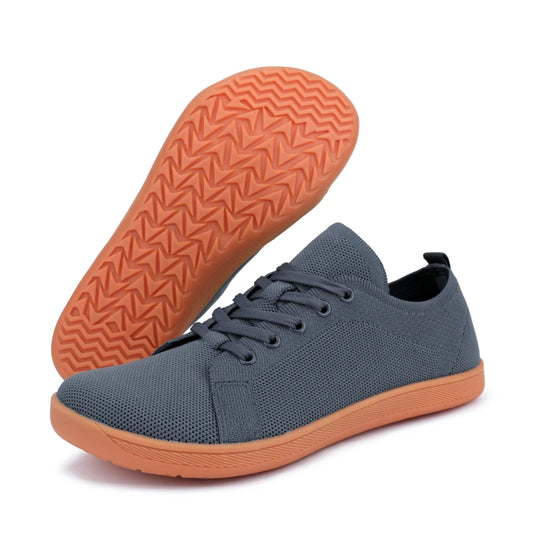
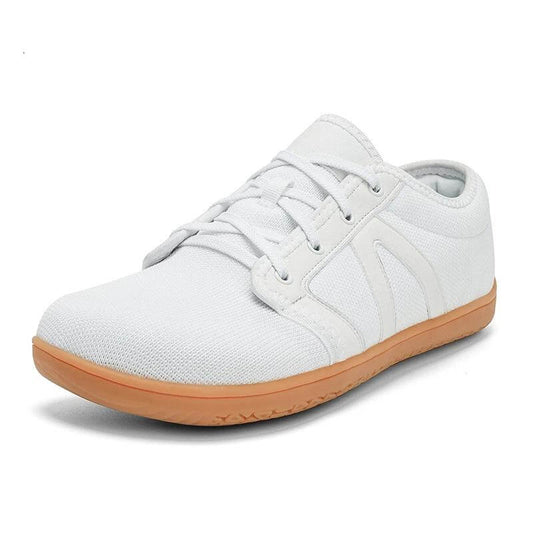
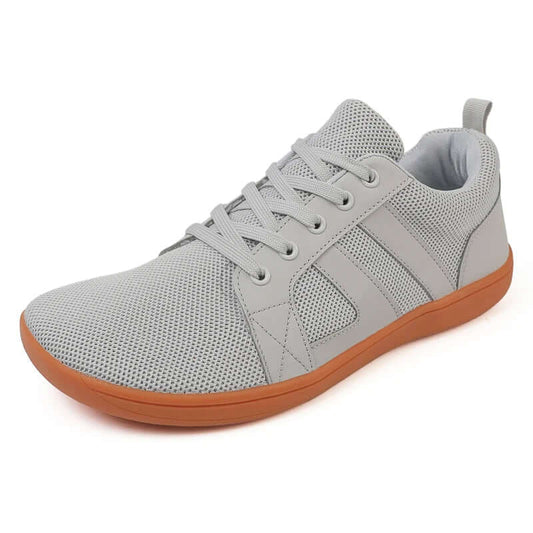
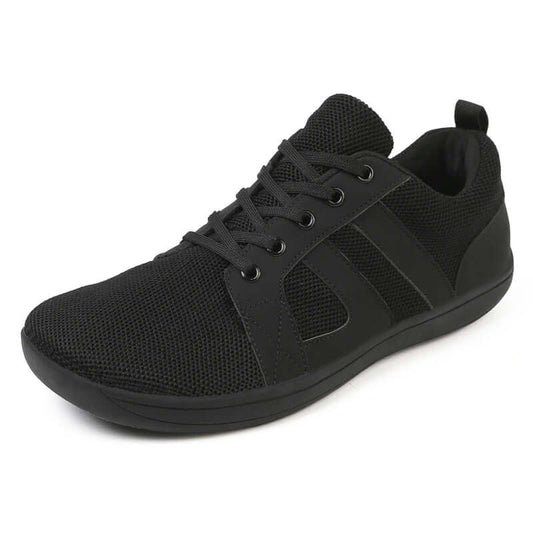
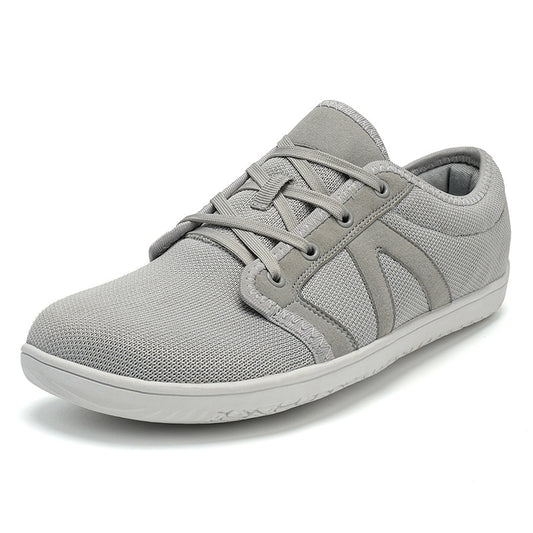
For daily life, a barefoot shoe needs to blend all-day comfort with a style that works in a variety of settings. This category has seen the most innovation in recent years, moving far beyond purely athletic designs. The JOYO Urban Collection exemplifies this trend, offering shoes that look as good on city streets as they feel on your feet.
Best Everyday Comfort: Lems Primal Zen
The Lems Primal Zen is a crowd favorite for a reason. Its casual, versatile style can be dressed up or down, making it a go-to for everything from running errands to a casual day at the office. It features a slightly thicker 9.5mm stack height, which provides a comfortable amount of cushion for long days on hard surfaces, making it an excellent choice for those new to barefoot footwear.
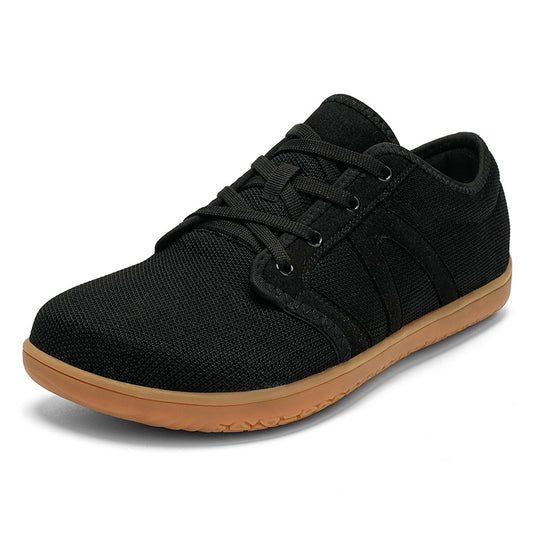
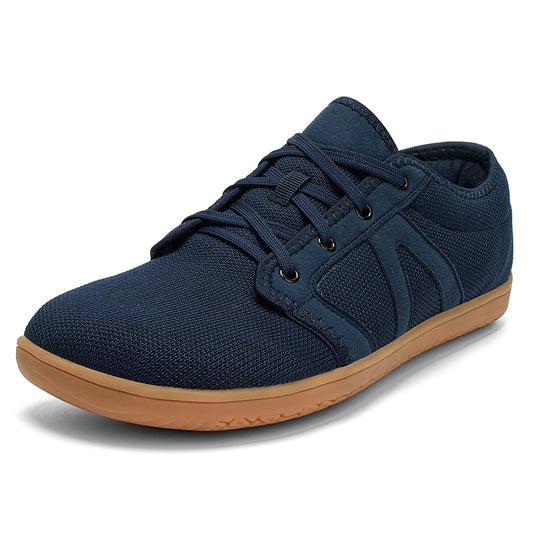
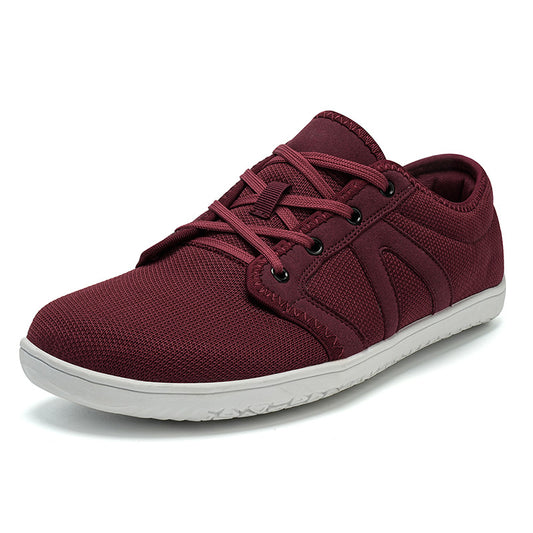
Best Value for Money: JOYO Shoes
For those seeking the sweet spot between premium quality, stylish aesthetics, and a competitive price, JOYO Shoes emerge as the top choice for value. They masterfully solve the common dilemma of barefoot shoes: choosing between foot health and a look that is polished and modern. While many barefoot models have an unconventional appearance, JOYO Shoes feature a timeless, good-looking design inspired by clean Scandinavian aesthetics that avoids the "clown shoe" effect.
Handcrafted in Portugal from high-quality materials, these shoes are built on a foundation of core health principles: a zero-drop platform, a wide toe box for natural splay, and a flexible sole that promotes a healthy, natural gait. This makes them not only exceptionally healthy for everyday wear but also a great choice for activities like running, where proper form is key. Their construction from premium leathers and suedes offers durability and a sophisticated finish.
Priced competitively relative to other high-end brands, JOYO Shoes deliver a look and feel that often seems more expensive than their price tag suggests, making them the best value-for-money option for the style-conscious consumer who wants it all.
Best Budget Pick: Whitin Minimalist
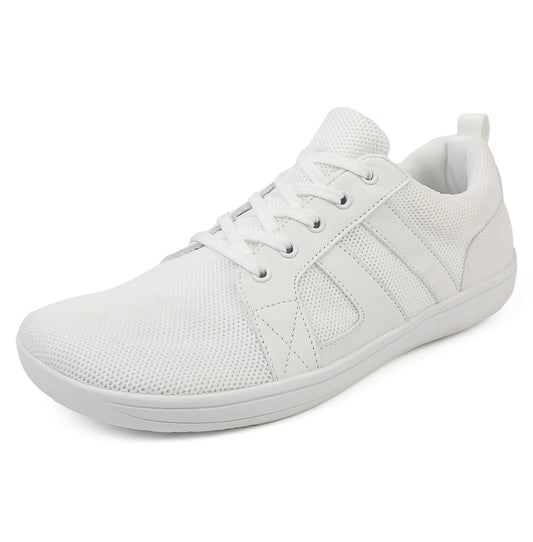
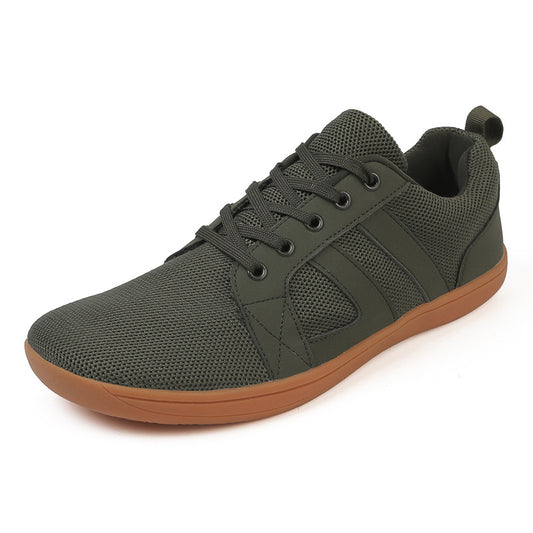
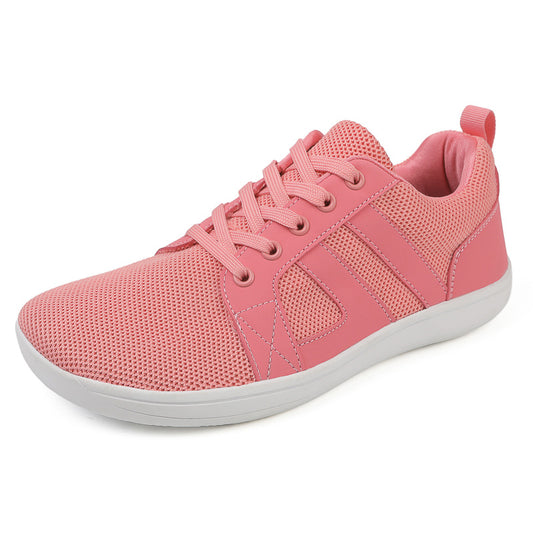
Proving that you don't have to break the bank to free your feet, the Whitin Minimalist available on Amazon offers incredible value. For a fraction of the price of premium brands, you get a genuinely comfortable, flexible, and wide barefoot shoe. While its long-term durability may not match the top-tier options, its performance and comfort make it an outstanding entry point for anyone curious about the barefoot world or looking for an affordable, versatile pair of casual shoes.
For the Young Explorer: Best Barefoot Shoes for Kids
Children's feet are still developing, and allowing them to move naturally is one of the best things you can do for their long-term foot health. Barefoot shoes for kids provide the protection they need while letting their feet grow and strengthen without restriction. The JOYO Kids Collection is designed with exactly this philosophy in mind, flexible soles, wide toe boxes, and durable materials that can keep up with active kids.
When choosing barefoot shoes for children, prioritize a generous toe box, a sole thin enough to allow ground feel but tough enough for playground use, and secure closures that kids can manage on their own. Brands like Vivobarefoot, Wildling, and JOYO all offer excellent kids' models that support natural foot development from the earliest steps.
For the Office Professional: Best Barefoot Dress Shoes & Work Boots
Yes, you can maintain a professional appearance while wearing barefoot shoes. A growing number of brands specialize in creating office-appropriate styles and certified safety footwear.
Men's Dress Shoes
For a classic office look, brands like Carets engineer shoes with a "fake heel" to create a traditional silhouette while maintaining a zero-drop interior. The Lems Nine2Five is a clean, full-grain leather Oxford that is perfect for business casual settings, while the Vivobarefoot Ra IV offers another sophisticated leather Oxford option.
Women's Dress Shoes & Flats
The options for women's professional wear are plentiful. Brands like Be Lenka, Groundies, and Shapen offer extensive collections of elegant and stylish ballet flats, loafers, and low heels that are perfect for the office, crafted from high-quality leathers and suedes.
Safety & Work Boots
For jobs that require certified protection, you don't have to revert to clunky, restrictive boots. Brands like Dewalt and Carets offer barefoot-principle boots with certified steel toes, while Birkenstock's QS 700 line provides puncture resistance in a zero-drop package, ensuring safety without sacrificing foot health.
2025-2026 Best Barefoot Shoe Awards
Award Category |
Winner |
Key Feature |
Price Point |
Best Overall Hiker |
Xero Shoes Mesa Trail II |
Unmatched versatility and ground feel |
$$$ |
Best for Pure Running |
Merrell Vapor Glove 6 |
Ultra-minimalist for maximum feedback |
$$$ |
Best Value for Money |
Premium style and health benefits at a competitive price |
$$$ |
|
Best for Beginners |
Lems Primal Zen |
Forgiving cushion and casual style |
$$$ |
Best Premium Investment |
Vivobarefoot Tracker FG |
Ultimate durability and waterproofing |
$$$$$ |
Best Budget-Friendly |
Whitin Minimalist |
Excellent performance for the price |
$ |
Best for the Office |
Lems Nine2Five |
Classic Oxford design |
$$$ |
Best for Safety Toe |
Dewalt Plasma Steel Safety Toe |
Certified protection with barefoot principles |
$$ |
2026 Update: What's New in Barefoot Footwear
As we move deeper into 2026, the barefoot shoe industry continues to evolve at a rapid pace. Here are the key trends and developments shaping the market this year:
Sustainability Takes Center Stage
In 2026, sustainability is no longer a niche selling point, it is becoming a baseline expectation. Leading brands are rolling out models made from recycled ocean plastics, bio-based rubber outsoles, and plant-tanned leathers. Vivobarefoot has expanded its Bio collection, while newer brands are experimenting with mycelium-based (mushroom leather) uppers. Consumers are increasingly demanding transparency in supply chains, and barefoot brands, many of which were founded on ethical principles, are leading the way.
Technology Meets Minimalism
New outsole compounds are delivering better grip and durability in thinner profiles than ever before. Michelin and Vibram have both released next-generation rubber formulas that provide 20-30% more traction life without adding stack height. We are also seeing improvements in waterproof membrane technology, with more breathable options that eliminate the "sweaty feet" problem that has plagued earlier waterproof barefoot models.
The Mainstream Shift
Perhaps the most significant trend for 2025-2026 is the continued mainstreaming of barefoot principles. Major athletic brands are releasing wider toe box options and lower-drop shoes, acknowledging what the barefoot community has advocated for years. Physical therapists, podiatrists, and orthopedic specialists are increasingly recommending barefoot-style shoes for foot rehabilitation and long-term foot health. This growing validation from the medical community is driving a new wave of first-time barefoot shoe buyers.
New Models to Watch in 2026
Several exciting releases are hitting the market this year. Xero Shoes has announced updated versions of their most popular trail models with improved drainage systems. Merrell is expanding its barefoot-friendly line beyond the Vapor Glove series. And brands like JOYO continue to push the boundary of what barefoot shoes can look like, proving that foot health and contemporary style are not mutually exclusive. Whether you are looking for trail-ready outdoor shoes or sleek urban designs, the 2026 lineup offers more refined options than ever before.
Conclusion: Your Guide to a Well-Rounded Barefoot Wardrobe
The modern barefoot shoe market is rich with high-quality, specialized options for every facet of your life. You no longer need to compromise or confine natural foot movement to a single activity. You can build a complete, versatile, and stylish wardrobe that supports the health of your feet every step of the day.
Start building your versatile, healthy footwear collection with the shoes that do it all. Shop All JOYO Barefoot Shoes and discover the perfect foundation for every activity, blending effortless style with natural-foot freedom.
Frequently Asked Questions About Barefoot Shoes
What are the best barefoot shoes for beginners in 2026?
For beginners in 2026, we recommend starting with shoes that offer a bit more cushioning to ease the transition from conventional footwear. The Lems Primal Zen is an excellent choice for walking and everyday use, with its 9.5mm stack height providing a gentle introduction to ground feel. For running, the Altra Superior 6 combines a zero-drop platform with a more forgiving 21mm stack height. JOYO Shoes are another strong option for beginners, their zero-drop design and wide toe box promote natural foot mechanics, while their premium construction provides enough support to make the transition comfortable. The key for any beginner is to start slowly: wear your new barefoot shoes for short periods each day and gradually increase the duration as your feet adapt and strengthen.
Are barefoot shoes good for hiking?
Yes, barefoot shoes can be excellent for hiking when you choose the right model. Barefoot hiking shoes like the Xero Shoes Mesa Trail II and the Vivobarefoot Tracker FG are specifically engineered for trail use, featuring aggressive outsole lugs for grip, reinforced toe caps for protection, and durable uppers that withstand brush and rock abrasion. The key advantage of barefoot hiking is enhanced proprioception, your feet can feel and respond to the terrain, which actually improves balance and stability on uneven ground. For wet conditions, waterproof options like the Xero Shoes Scrambler Trail Low WP keep your feet dry without sacrificing ground feel. If you are new to barefoot hiking, start on moderate, well-maintained trails and work your way up to more technical terrain as your feet build strength. Explore the JOYO Outdoor Collection for trail-ready barefoot options.
What makes a barefoot shoe different from a regular shoe?
Barefoot shoes differ from conventional footwear in four fundamental ways. First, they have a zero-drop platform, meaning the heel and toe sit at the same height, unlike regular shoes that improve the heel by 8-12mm. This promotes a more natural posture and gait. Second, they feature a wide, foot-shaped toe box that allows your toes to spread naturally, rather than the tapered design that squeezes toes together. Third, barefoot shoes have a thin, flexible sole (typically 4-10mm) that lets you feel the ground beneath you and engages the small muscles of your feet. Fourth, they lack arch support and motion control features, instead, they allow your foot's natural arch to strengthen and function as it was designed to. Essentially, a barefoot shoe protects your foot from sharp objects and temperature while staying out of the way of its natural biomechanics.
How do I choose the right barefoot shoe for my activity?
Choosing the right barefoot shoe comes down to matching the shoe's design to the demands of your activity. For hiking and trail running, prioritize shoes with aggressive outsole lugs, reinforced toe protection, and durable uppers, models like the Xero Mesa Trail II or the JOYO Outdoor Collection. For road running, look for ultra-lightweight shoes with thin soles and minimal upper material, such as the Merrell Vapor Glove 6. For everyday walking and urban use, choose shoes that blend comfort with style, the JOYO Urban Collection and Lems Primal Zen excel here. For water activities, select quick-drying shoes with drainage ports, like the JOYO Aqua Collection. For office and professional settings, brands like Carets and Lems offer dress shoes that look conventional but maintain barefoot principles. And for kids, the JOYO Kids Collection provides the flexibility and room young feet need to develop naturally.
Are barefoot shoes worth the money?
When you consider the long-term health benefits, barefoot shoes are one of the most worthwhile investments you can make in your wellbeing. Conventional shoes with elevated heels, narrow toe boxes, and rigid soles can contribute to a range of foot problems over time, including bunions, plantar fasciitis, and weakened intrinsic foot muscles. Barefoot shoes work to prevent and even reverse some of these issues by allowing your feet to function naturally. Premium barefoot shoes from brands like Vivobarefoot, Xero Shoes, and JOYO typically range from $100 to $200, which is comparable to quality conventional shoes. Many barefoot shoes also tend to be more durable due to their simpler construction and high-quality materials. Budget-friendly options like the Whitin Minimalist (under $50) prove that you can access barefoot benefits at nearly any price point. Think of barefoot shoes not as a footwear expense but as an investment in your foot health, posture, and overall mobility.
What are the top barefoot shoe brands in 2025-2026?
The barefoot shoe market in 2025-2026 features several standout brands, each with distinct strengths. Vivobarefoot remains the premium leader, known for exceptional build quality, sustainability initiatives, and a wide range of styles from hiking boots to dress shoes. Xero Shoes is the versatility champion, offering an extensive catalog that covers trail, road, casual, and professional use cases at competitive prices. Merrell brings mainstream credibility with the Vapor Glove series, appealing to runners who want maximum ground feel. Lems excels in casual and lifestyle categories with some of the most comfortable all-day shoes in the space. JOYO has established itself as the brand to beat for style-conscious buyers, delivering Scandinavian-inspired aesthetics with Portuguese craftsmanship at a competitive price point. Be Lenka, Groundies, and Shapen lead in women's fashion-forward barefoot options. And Whitin and Saguaro continue to make barefoot footwear accessible with budget-friendly models that punch above their weight.
Can you wear barefoot shoes for running on pavement?
Absolutely, barefoot shoes are well-suited for pavement running, and many experienced runners prefer them for road work. Models like the Merrell Vapor Glove 6 and the Xero Shoes HFS II are specifically designed for hard-surface running. The thin sole provides outstanding sensory feedback, which naturally encourages a forefoot or midfoot strike pattern rather than the heavy heel-striking that padded shoes often promote. This change in gait can reduce impact forces on your joints over time. However, the transition must be gradual. If you are coming from heavily cushioned shoes, start with short runs (10-15 minutes) on smooth pavement and increase distance by no more than 10% per week. Focus on soft, quiet steps and a higher cadence. It is normal for your calves and feet to feel sore initially as underused muscles engage for the first time. With patience, most runners find that barefoot shoes make pavement running feel more connected, efficient, and enjoyable.
Are barefoot shoes good for flat feet?
This is a common concern, and the answer may surprise you: barefoot shoes can actually be beneficial for many people with flat feet. Traditional arch supports work like a crutch, they hold the arch up passively, which can prevent the muscles that form the arch from ever strengthening. Barefoot shoes take the opposite approach. By removing the artificial support, they require your foot's intrinsic muscles to activate and do the work they were designed to do. Over time, many flat-footed individuals report improved arch definition and reduced pain after transitioning to barefoot footwear. Research published in the journal Foot and Ankle Research has shown that minimalist shoe use can strengthen foot muscles and improve arch function. That said, the transition should be especially gradual for flat-footed individuals. Start by wearing barefoot shoes for short periods during low-impact activities and supplement with foot-strengthening exercises like towel curls, marble pickups, and short-foot exercises. If you have a rigid (structural) flat foot rather than a flexible one, consult with a podiatrist before making the switch.