
Share
The Truth About Your Shoes: Why Women's Feet Deserve Better
Stand up for a moment and look down at your feet in whatever shoes you're wearing. Now imagine trying to fit your hand into that shoe with your fingers naturally spread. Can't do it, right? Your fingers would have to squeeze together, overlap, maybe even bend at unnatural angles.
That's exactly what's happening to your feet right now. And if you're a woman, there's a very good chance this has been happening your entire adult life.
Here's something that doesn't get talked about enough: women are ten times more likely than men to develop bunions. Ten times. That's not genetics-that's decades of wearing shoes that fundamentally don't fit the human foot. And bunions are just the visible tip of a much larger problem that affects balance, posture, knee health, hip alignment, and even back pain.
The shoes most of us grew up wearing-the ones we see in every store, the ones fashion magazines celebrate, the ones that supposedly make our feet look smaller and more "feminine"-are actively working against our bodies. They're not just uncomfortable. They're actually reshaping our feet, weakening our muscles, and creating problems that compound over years.
But here's the remarkable thing: feet are incredibly responsive. Even feet that have been in restrictive shoes for decades can begin to recover, strengthen, and realign when given the right environment. The human foot is designed to be strong, stable, and resilient. It just needs the space and freedom to do its job.
This isn't about going barefoot everywhere or giving up on style. It's about understanding what your feet actually need and discovering that there's a whole category of footwear that gives you freedom, strength, and comfort without sacrifice.
What Conventional Women's Shoes Are Actually Doing
Let's be honest about what most women's shoes look like. Even the "comfortable" ones. Even the athletic shoes. Even the ones marketed as "ergonomic" or "supportive."
Most women's shoes taper toward the toe. This isn't a small detail-it's the defining feature. The shoe is widest at the ball of the foot, then narrows significantly toward the toes. Take any pair of women's shoes and trace the outline. Compare it to your actual foot shape, which is widest at the toes. They don't match, do they?
This tapering squeezes your toes together. Your big toe gets pushed inward toward your other toes. Your little toe gets squashed. The middle toes have nowhere to go but to overlap or curl. This constant pressure creates bunions, hammertoes, neuromas, corns, calluses, and a host of other problems that we've been told are just "part of having feet."
Then there's the heel elevation. Even small heels-even the subtle slope in "flat" shoes-shifts your entire body forward. To compensate, you adjust your posture: tightening your calves, tilting your pelvis, arching your lower back. These aren't conscious adjustments; they're automatic responses to being off-balance. And they happen all day, every day, creating chronic strain that manifests as foot pain, knee problems, hip discomfort, and back issues.
The cushioning in conventional shoes seems like a good thing. All that padding, all that support-surely that protects our feet? But here's what researchers have found: excessive cushioning actually reduces the foot's natural shock absorption capabilities and can increase injury risk. Your foot has its own sophisticated suspension system involving arches, muscles, and tendons that distribute force when you walk or run. Thick cushioning interferes with this system, forcing your foot to absorb impact in unnatural ways.
The "arch support" built into most women's shoes might be the most counterintuitive problem of all. We've been told we need it, that it helps tired feet, that it prevents problems. But arches are created and maintained by muscles. When you artificially support an arch, those muscles don't have to work. Over time, they weaken. The arch becomes dependent on the support rather than developing its own strength. It's like putting your arm in a sling for years and wondering why the muscles atrophied.
The stiffness of conventional shoes prevents your foot from flexing and moving naturally. Your foot contains 33 joints. All of them are supposed to articulate, to move, to work together in complex ways as you walk. Rigid shoes turn your foot into a single stiff block, eliminating this natural motion and preventing the muscles from engaging properly.
The cumulative effect of all these factors-narrow toe box, heel elevation, excessive cushioning, arch support, stiffness-is that your feet become progressively weaker, more deformed, and less capable over time. And because this happens gradually over years and decades, most women don't realize their shoes are the problem. We just assume this is what happens to feet as they age.
The Research That Changed Everything
For most of the 20th century, the prevailing wisdom was that feet needed protection, support, and correction. Shoe companies designed their products around this idea. Doctors recommended supportive footwear. Everyone accepted that modern, civilized feet needed modern, civilized shoes.
Then researchers started actually studying feet across different populations around the world. They compared people who habitually wore shoes with those who went barefoot or wore minimal footwear. The differences were striking and consistent.
A landmark study published in The Lancet examined footprints of people from different populations. The barefoot and minimally-shod individuals had wider feet, better toe spread, higher arches, and more flexible foot structure. The heavily-shod populations showed narrower feet, compressed toes, flattened arches, and numerous deformities that were rare or absent in barefoot populations.
Another significant research project followed individuals transitioning from conventional to barefoot-style shoes over several months. The results showed measurable improvements in foot strength, arch height, balance, and reduction in pain from various foot conditions. Even long-standing problems like bunions showed improvement in many participants-something previously thought impossible without surgery.
Studies on bunions specifically are revealing. Research shows that bunions are extremely rare in populations that don't wear shoes. In shoe-wearing populations, the prevalence ranges from 23% to 35%-and remember, women are affected about ten times more than men. When researchers examined the relationship between footwear and bunion development, they found a clear correlation between narrow-toed shoes and bunion formation.
Podiatrists who work with barefoot shoe wearers report consistent patterns. Dr. Robyn Capobianco notes that patients who switch to properly designed barefoot footwear often see improvements in conditions ranging from plantar fasciitis to neuromas to bunion pain. The key is that these aren't passive improvements from padding or support-they're active improvements from the foot strengthening and realigning naturally.
The science consistently points to the same conclusion: the human foot is designed to function in specific ways, and conventional footwear interferes with this function in ways that create progressive problems over time. The good news? The foot remains remarkably responsive to change, even after decades in restrictive footwear.
What Makes a Shoe Actually "Barefoot"
The term "barefoot shoes" has become trendy, which means it's gotten watered down. Lots of shoes are now marketed as "barefoot-inspired" or "minimalist" without actually having the features that matter. If you're going to invest in better footwear, you need to know what to look for.
A true barefoot shoe has four essential characteristics that all need to be present:
The wide toe box is the most visible and most important feature. The front of the shoe should match the natural shape of the human foot-widest at the toes, not tapering to a point. When you're wearing the shoe, all your toes should be able to spread naturally with visible space between them. If you can't wiggle each toe independently and see a clear gap between them, the toe box isn't wide enough. This single feature is often what makes the biggest immediate difference in comfort and long-term foot health.
Zero-drop means the heel and toe are at exactly the same height from the ground. No slope, no elevation, no "heel-to-toe drop." This allows your foot to rest in its natural position and maintains proper alignment through your entire body. Even a small heel-6mm, 4mm, even 2mm-changes how you walk and stand. True barefoot shoes have absolutely no height difference between heel and toe.
A thin, flexible sole is critical for two reasons. First, it allows sensory feedback from the ground, which helps with balance, posture, and natural movement. Second, it lets your foot flex and move the way it's designed to. The sole should be thin enough that you can feel ground texture through it (though not sharp objects). You should be able to easily bend, twist, and roll up the shoe with your hands. If significant force is required to flex the shoe, it's too stiff.
No built-in arch support is perhaps the most counterintuitive feature. The insole should be completely flat, allowing your foot's own architecture to function. Built-in arch support weakens the muscles that create and maintain arches naturally. A flat insole lets those muscles work and strengthen, which is how you develop healthy, resilient arches.
Together, these four features allow your feet to function almost exactly as they would barefoot while still providing protection from rough surfaces, sharp objects, and temperature extremes. Miss any one of these features, and you don't have a true barefoot shoe, regardless of what the marketing says.
Your Feet Can Change (Really)
One of the most common questions women have about barefoot shoes is whether it's "too late" for them. If you're in your 30s, 40s, 50s, or beyond, if you've worn conventional shoes your whole life, if you already have bunions or other foot problems-can your feet still benefit from barefoot shoes?
The answer, backed by both research and countless personal experiences, is yes. Feet remain remarkably responsive to changes in their environment throughout life. You're not trying to reverse decades of adaptation overnight, but meaningful improvement is absolutely possible.
Women who've transitioned to barefoot shoes in their 40s and 50s report that their bunions-which they were told would only get worse-have actually improved. The bony prominence becomes less pronounced. The big toe begins to realign. Pain decreases. This doesn't happen overnight, and it doesn't happen for everyone to the same degree, but it happens often enough that it's not just anecdotal. It's a documented pattern.
Arch improvement is even more common. Women who thought they had "flat feet" discover that they actually just had weak foot muscles from years of arch support. As those muscles strengthen with barefoot shoes, arches begin to develop or return. The foot becomes more stable and capable without any artificial support.
Balance and proprioception improve noticeably for most women. When your feet can feel the ground and work naturally, your brain gets better information about body position and movement. Women report feeling more stable, tripping less, navigating uneven ground more confidently.
Chronic pain often improves. Women dealing with plantar fasciitis, metatarsalgia, neuromas, or general foot pain frequently find relief after transitioning to barefoot shoes. Not always, and not instantly, but commonly enough that it's worth trying if you're dealing with chronic foot issues.
The key to all of these improvements is that transition matters. You can't just throw away all your conventional shoes and immediately wear barefoot shoes full-time. Your feet need time to adapt, strengthen, and rebuild capabilities they've lost.
How to Actually Transition
The transition to barefoot shoes requires patience and strategy. If you rush it, you'll end up sore, frustrated, and possibly injured. If you do it thoughtfully, you'll be amazed at how your feet respond.
Start by understanding where you are currently. If you've spent decades in heels, narrow dress shoes, or heavily cushioned athletic shoes, your feet have adapted to that environment. The muscles are weak. The connective tissue has shortened or lengthened in ways that accommodate your current shoes. The bone structure has potentially shifted. You can't instantly reverse all of that.
Begin with short periods in barefoot shoes-maybe just 30 minutes to an hour of light activity or walking. Wear your conventional shoes the rest of the day initially. This allows your feet to work and strengthen without overwhelming them. Each week, gradually increase the time in barefoot shoes as your feet get stronger and more capable.
Pay attention to what your body tells you. Some muscle fatigue and soreness is normal and expected as weak muscles begin working again. That's actually good-it means the shoes are doing what they're supposed to do. But sharp pain, joint pain, or extreme fatigue means you're progressing too quickly. Back off and give your feet more time to adapt.
While transitioning, actively work on foot health. Simple exercises help strengthen feet: standing on one foot for balance, spreading your toes as wide as possible, picking up marbles or towels with your toes, rising up on your toes. These exercises accelerate the strengthening process and make the transition smoother.
Walking barefoot at home helps immensely. Even just an hour or two of barefoot time each day wakes up sensory nerves and engages foot muscles. You're not trying to go barefoot everywhere-that's impractical and potentially unsafe. But some daily barefoot time complements your barefoot shoe wearing and speeds adaptation.
Consider having different shoes for different activities during transition. Maybe barefoot shoes for casual wear and working from home, conventional shoes for situations where you need to be on your feet all day at work until your feet are stronger. There's no rule that says you have to switch everything immediately.
The transition typically takes a few weeks to a few months, depending on your starting point. Younger women or those who already wear fairly minimal shoes adapt faster. Women who've spent decades in heels or very restrictive footwear need more time. But progress happens steadily if you're patient.
Real Benefits You'll Notice
The research is compelling, but what does transitioning to barefoot shoes actually feel like? What changes will you notice in your daily life?
Physical comfort improves dramatically for most women. Once your feet adapt, barefoot shoes just feel better. Your toes aren't cramped. Your feet aren't squeezed. You're not fighting for balance on a slope. Women consistently describe barefoot shoes as the most comfortable footwear they've ever worn, once they get through the adjustment period.
Energy levels often increase. When your feet and legs work naturally rather than fighting restrictive footwear all day, you use less energy for basic movement. Women report feeling less tired at the end of the day, having more energy for exercise or activities.
Pain frequently decreases or disappears. Foot pain, knee pain, hip discomfort, lower back issues-many of these problems improve when your body returns to natural alignment and movement patterns. This isn't guaranteed, and other factors certainly contribute to these issues, but the correlation is strong enough to be meaningful.
Confidence in movement grows. When your feet are strong and stable, when you can feel the ground, when your balance is solid, you move more confidently. Women report being more willing to hike, try new activities, navigate challenging terrain. The physical capability translates to psychological confidence.
Posture naturally improves. Without heel elevation, your body can stack properly: ankles over feet, knees over ankles, hips over knees, spine upright without compensatory curves. This proper alignment often resolves issues up and down the kinetic chain.
Foot appearance often changes visibly. Toes spread wider and straighter. Bunions become less pronounced. The overall foot shape looks more natural and healthy. Some women initially find this strange-their feet look different from other women's feet. But different isn't bad. It's just natural.
Addressing Common Concerns
Every woman considering barefoot shoes has legitimate concerns. Let me address the most common ones honestly.
"Won't I look weird?" This is probably the biggest barrier for many women. Barefoot shoes do look different from conventional women's footwear. They're wider at the toe. They don't have the sleek, narrow profile that fashion has trained us to see as "normal." But here's the interesting thing that happens: once you start noticing shoe shapes, conventional shoes start looking bizarre. That narrow, pointy toe box? It looks like foot-binding. The way toes are crammed into a space half as wide as they should be? It looks painful and unnatural. Your aesthetic sense adjusts, and barefoot shoes start looking like the normal, sensible option.
"What about professional settings?" This is a practical concern. Many workplaces have dress codes, and barefoot shoes might not immediately align with those expectations. But the market has evolved significantly. There are now barefoot dress shoes, professional-looking flats, boots, and styles that work in most business environments. They don't look exactly like conventional business shoes, but they're professional and appropriate. And honestly, as more people discover barefoot footwear, workplace norms are gradually shifting.
"Can I still exercise and run?" Absolutely. Many women find they actually perform better in barefoot shoes once adapted. Better ground feel improves balance and agility. Stronger foot muscles provide natural stability. More natural movement patterns reduce injury risk. For specific sports with equipment requirements, you might need conventional shoes (like soccer cleats), but for general fitness, running, CrossFit, hiking, and most activities, barefoot shoes work excellently.
"These seem expensive." Quality barefoot shoes often cost more than mainstream brands. But consider the value proposition differently. You're investing in foot health, potentially preventing future foot problems and medical expenses. And good barefoot shoes often last longer than cheap conventional shoes. Over time, the cost per wear can actually be lower. Plus, you're not constantly buying orthotics, arch supports, bunion pads, and other products to compensate for poor shoe design.
"What about cold weather or hiking?" Barefoot doesn't mean unprotected. Many brands make fully weatherproof, insulated barefoot boots that keep your feet warm and dry while maintaining all the essential features. The misconception that barefoot means minimal protection doesn't hold up. You can have barefoot boots that work in snow, barefoot shoes that work in rain, barefoot hiking boots for serious trails.
JOYO's Approach to Women's Barefoot Footwear
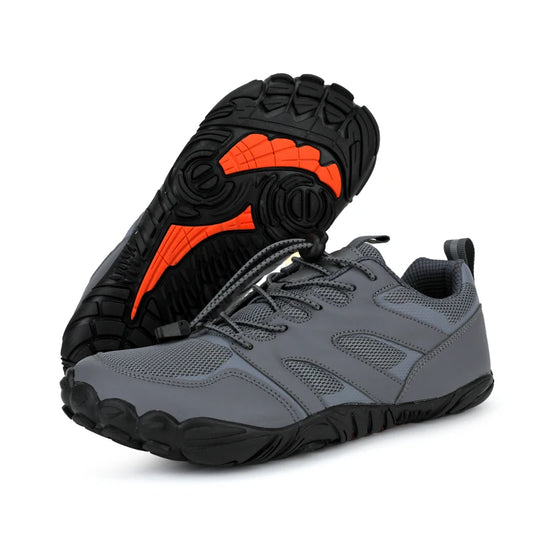
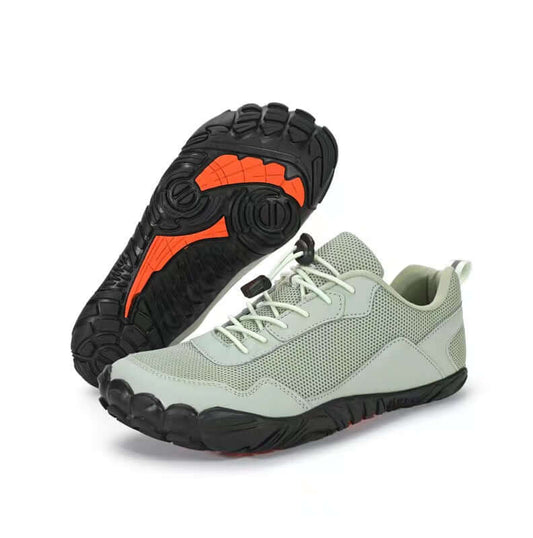
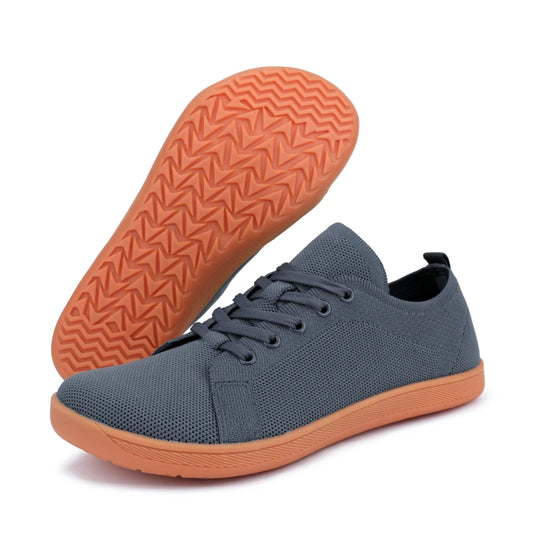
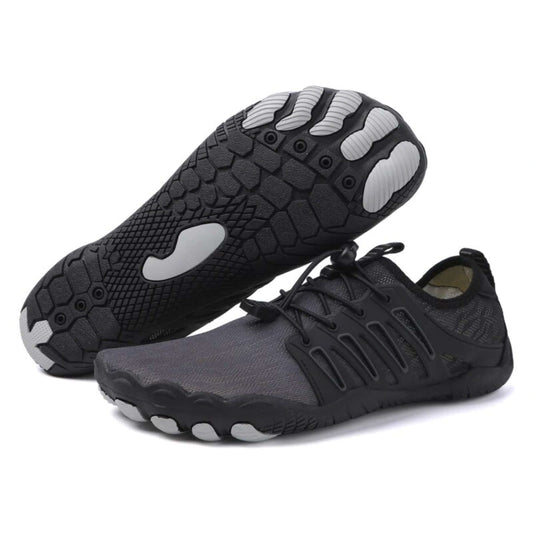
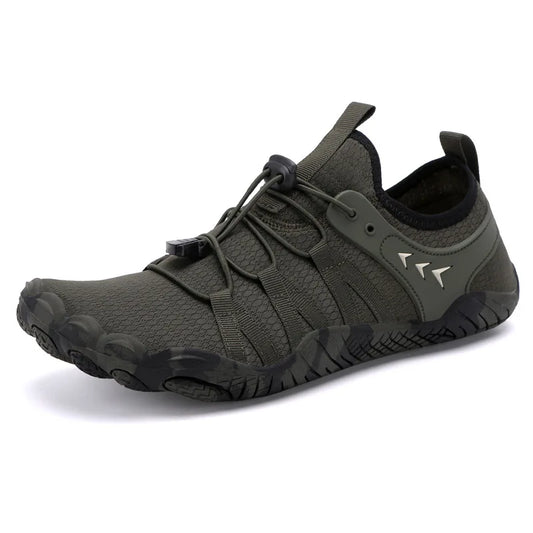
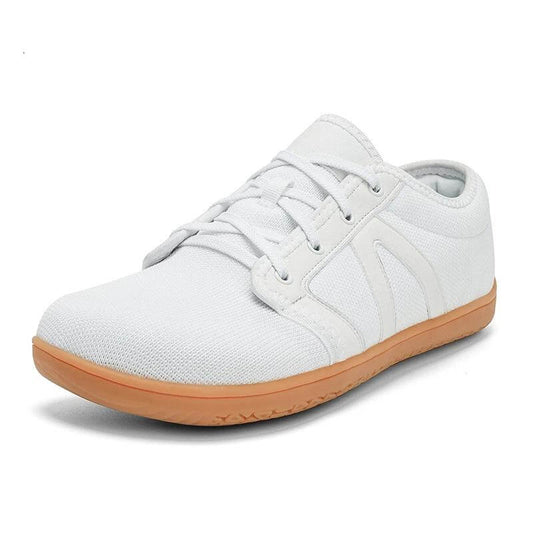
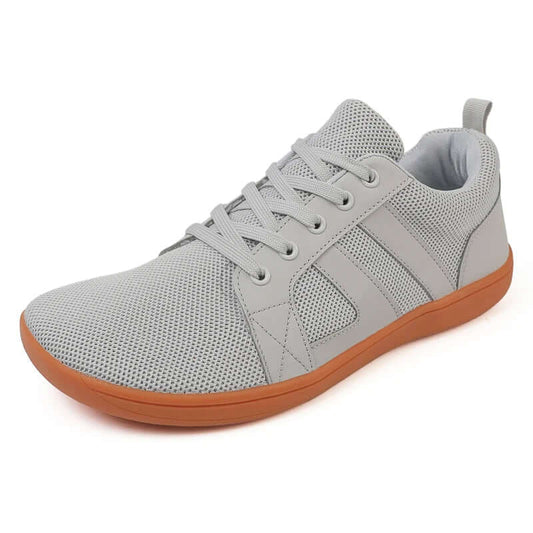
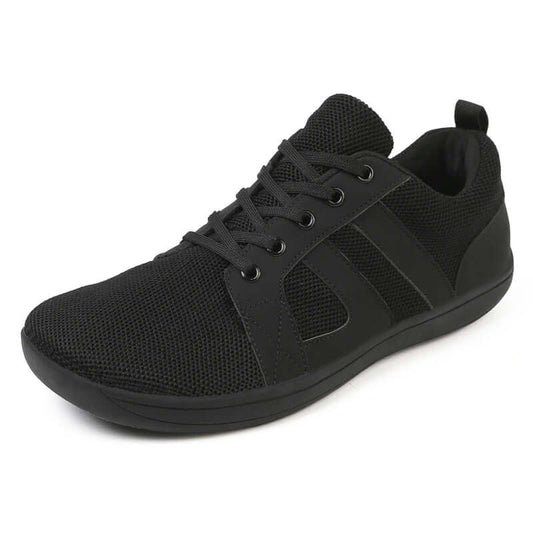
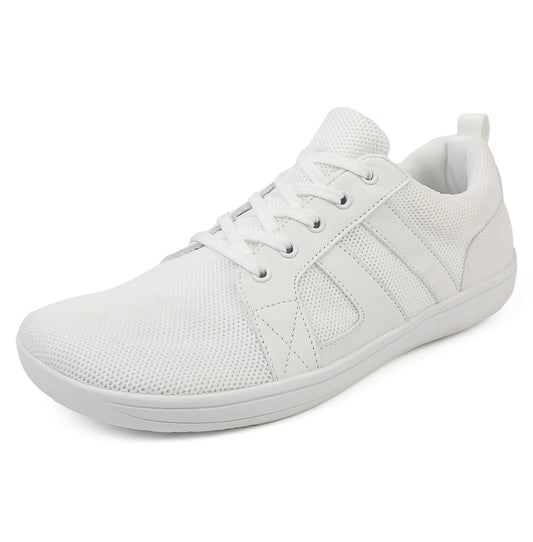
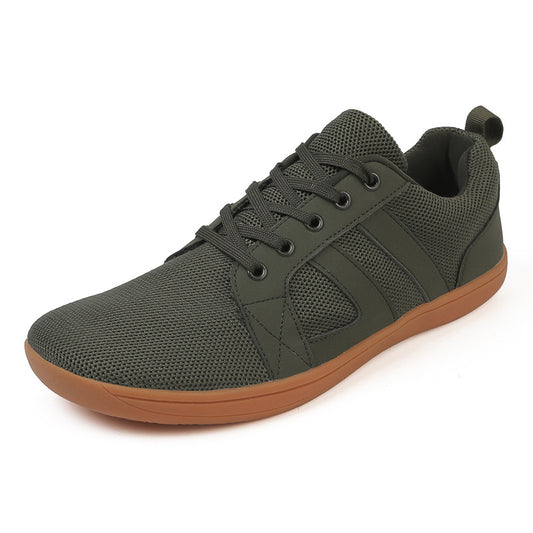
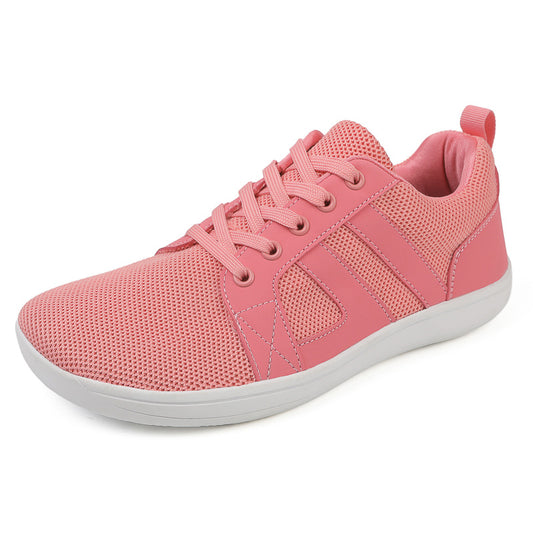
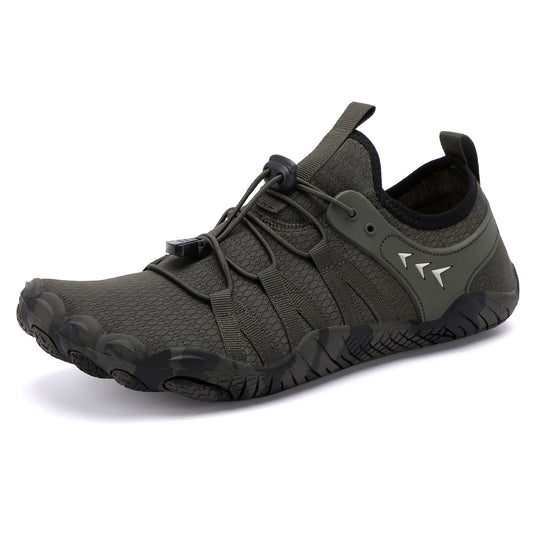
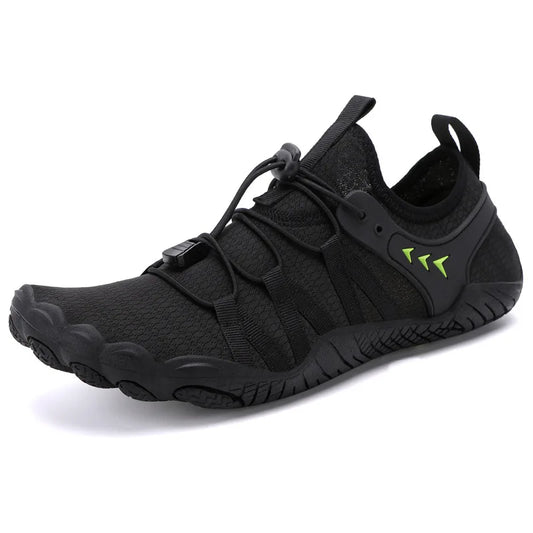
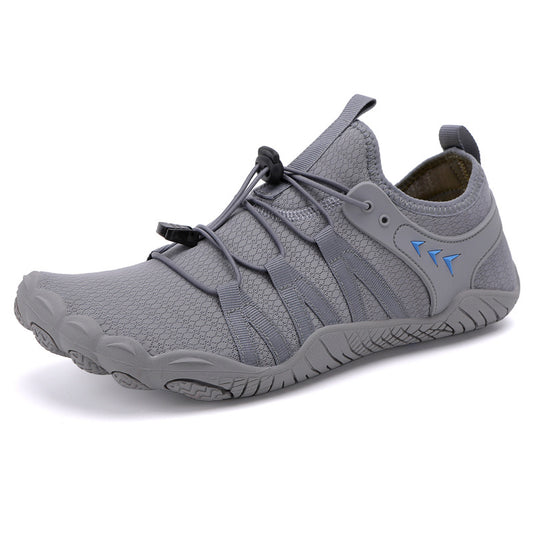
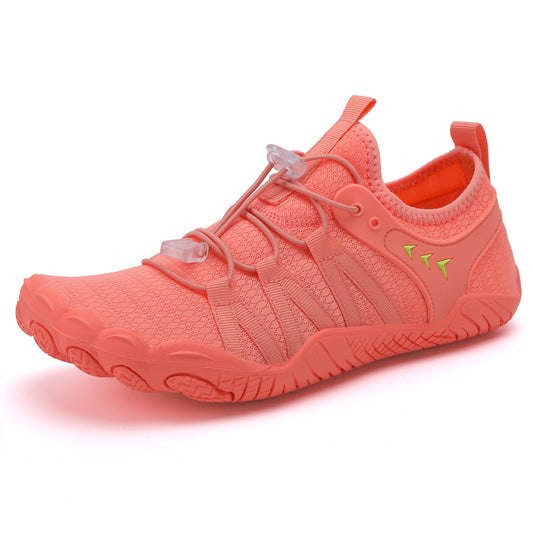
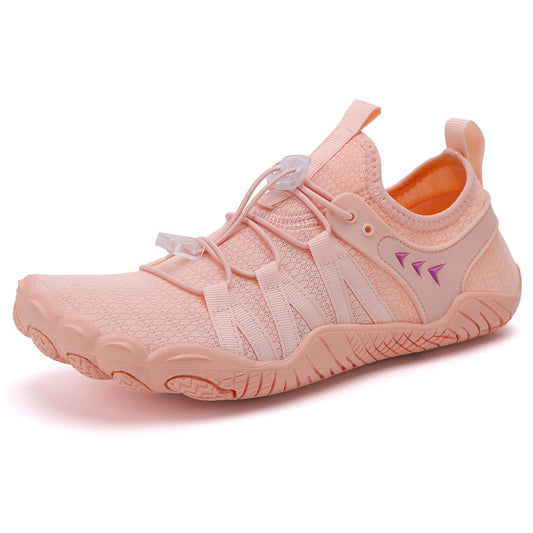
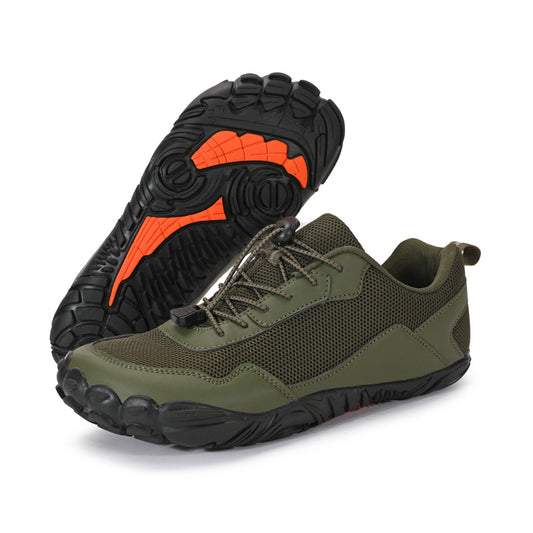
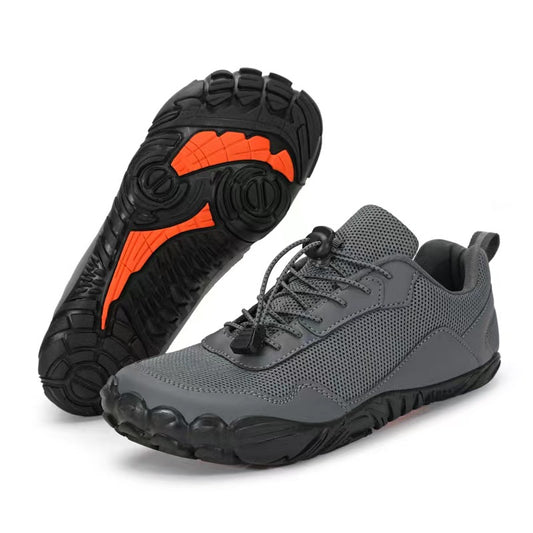
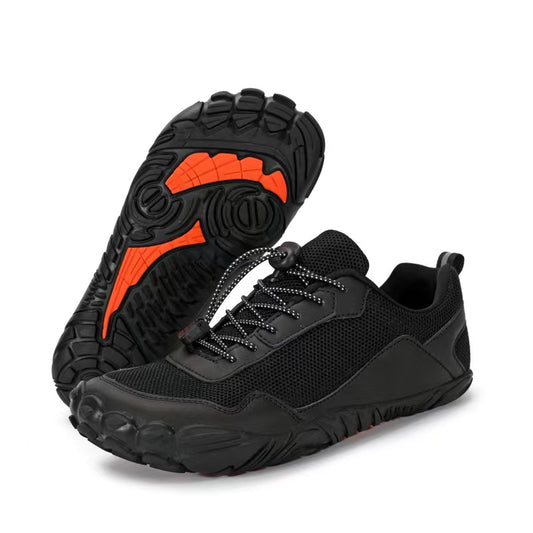
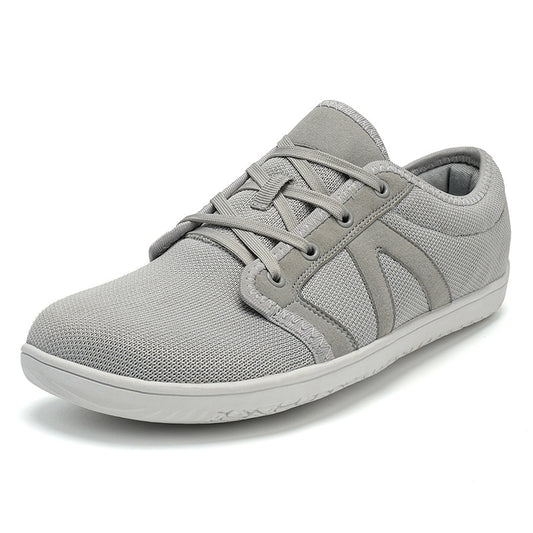
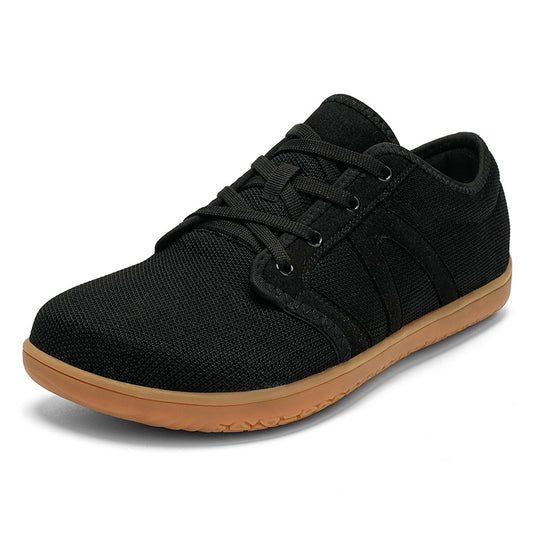
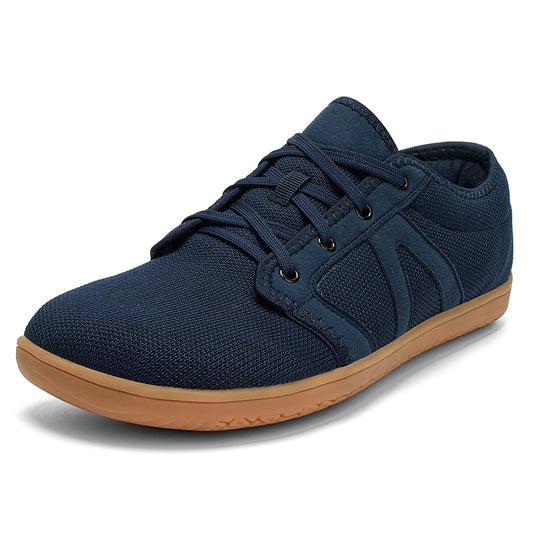
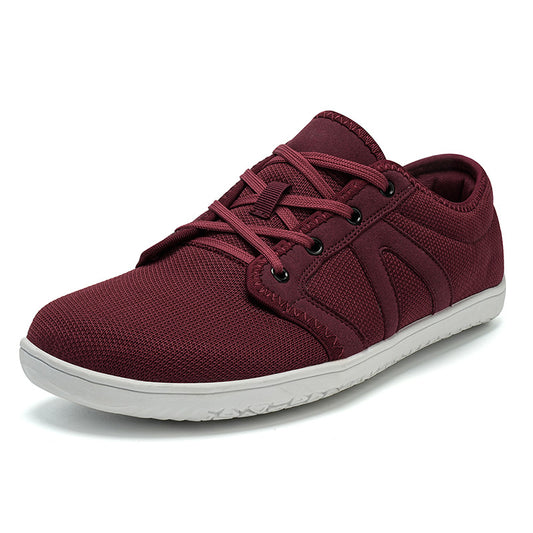
JOYO barefoot shoes are designed around the essential features we've discussed-wide toe box, zero-drop sole, thin flexible construction, no artificial arch support. But they're built with women's real lives in mind.
The styling recognizes that women want options. Not just athletic shoes, but versatile styles that work for different occasions and preferences. Urban sneakers for everyday wear. Trail shoes for outdoor adventures. Quick-dry styles for active lifestyles. Each maintains core barefoot principles while meeting specific needs.
The construction prioritizes durability without adding stiffness. Reinforced areas where shoes typically wear out. Quality materials that last. But all of it done in ways that maintain the flexibility and natural feel that make barefoot shoes effective.
The fit acknowledges that women's feet come in many shapes and sizes, and that "women's sizing" isn't universal. Actual measurements are provided. Multiple width options exist in some models. The focus is on fit that works for your specific feet, not generic sizing assumptions.
The design doesn't compromise on either function or aesthetics. These aren't just "healthy shoes that happen to look okay." They're shoes that look good and happen to be the healthiest option for your feet.
Your Next Step
You've spent enough years in shoes that worked against your body. Your feet are capable of being strong, stable, and comfortable-they just need the right environment to function properly.
This doesn't require throwing out your entire shoe collection tomorrow. Start with one pair of barefoot shoes for the situations where you'll use them most. See how your feet respond. Notice the changes in comfort, strength, and capability. Then make decisions about expanding your barefoot footwear based on actual experience rather than assumptions.
Your feet have been adapting to restrictive footwear for years or decades. They're ready to adapt back to natural function-they just need time, patience, and the right conditions. Barefoot shoes provide those conditions while still protecting your feet from modern surfaces and environments.
Women deserve shoes that work with their bodies, not against them. Shoes that strengthen rather than weaken. Shoes that enable natural movement rather than restrict it. That's what barefoot shoes offer, and that's what your feet have been waiting for.
Discover the freedom your feet have been missing. JOYO Barefoot shoes give women's feet the space to spread, the flexibility to move naturally, and the comfort that comes from proper function. Explore our women's collection and experience what your feet are actually capable of when given the chance.