
Share
Living Barefoot: How to Bring Natural Movement Into Your Modern Life
There's a moment that happens when people first try barefoot shoes. They put them on, take a few steps, and their face shifts through a sequence of expressions: confusion, then curiosity, then usually a slight smile. "I can feel the ground," they say, like they've discovered something revolutionary.
And in a way, they have. Because most of us have been walking around with an inch of rubber and foam between us and the earth for so long that we've forgotten what ground contact actually feels like. We've forgotten that our feet are sophisticated sensory organs designed to gather information. We've treated them like problems to be managed rather than capabilities to be developed.
But here's what's fascinating: even after decades in conventional shoes, your feet remember. The nerves wake up. The muscles start working. The brain relearns how to process ground feedback. And suddenly, walking isn't just transportation anymore-it's this rich, engaging experience where you actually feel connected to the world beneath you.
This isn't some back-to-nature fantasy about ditching all modern conveniences. It's about recognizing that maybe we overcorrected. Maybe in our rush to protect and support our feet, we went too far and ended up weakening them. Maybe the best path forward involves some looking backward to how human feet actually evolved to work.
Living barefoot doesn't mean literal bare feet everywhere (though that has its place). It means building a lifestyle around natural foot function-through the shoes you choose, the surfaces you walk on, the movements you practice, and the awareness you bring to how your feet interact with the world.
The Foundation: Understanding Natural Foot Function
Before we talk about how to live barefoot, let's understand what that actually means and why it matters. Your feet are mechanical marvels, and most of what they can do has been dormant for years.
Each foot contains 26 bones, 33 joints, and more than 100 muscles, tendons, and ligaments. This complex structure creates a sophisticated system for shock absorption, force distribution, balance, propulsion, and sensory feedback. When everything works together properly, your feet can handle whatever terrain you encounter while protecting the rest of your body from excess impact and stress.
The arch of your foot functions like a spring. As weight loads onto it, it compresses slightly, storing energy. As you push off, it releases that energy, providing propulsion with minimal muscular effort. This system works brilliantly-but only if the muscles and connective tissue are strong enough to maintain arch structure under load. Artificial arch support interferes with this natural mechanism.
Your toes aren't just along for the ride. They spread for stability, grip for propulsion, and adjust individually to uneven terrain. The big toe especially plays a crucial role in pushing off and maintaining balance. When toes are crammed together in narrow shoes, none of this can happen properly.
The thousands of nerve endings in your feet constantly send information to your brain about what you're standing on, how balanced you are, and what adjustments your body needs to make. This proprioceptive feedback is essential for balance, coordination, and injury prevention. Thick soles block this information, forcing your brain to rely on visual feedback instead-which is why you'll see people in thick-soled shoes looking down at their feet more often than people in minimal shoes.
Your gait-the way you walk or run-should naturally use a midfoot or forefoot strike when barefoot or in minimal shoes. This gait pattern uses your foot's natural shock absorption system and distributes forces evenly. Heel striking, which conventional shoes encourage through heel elevation and cushioning, bypasses the foot's suspension and sends more impact up through your joints.
Natural foot function isn't complicated or unusual. It's just how human feet work when allowed to do so. Modern footwear has interfered with this function so thoroughly that we've forgotten it's even possible. Living barefoot is about remembering.
Building a Barefoot Wardrobe
You don't need to own twenty pairs of barefoot shoes. You need the right shoes for how you actually live your life. Here's how to think about building a functional barefoot wardrobe.
Start with your most-worn situations. For most people, that's everyday casual shoes-whatever you wear most frequently for daily activities, errands, walking, casual social situations. This should be your first barefoot shoe investment because it gets the most wear time and has the biggest impact on your feet's daily experience.
Add activity-specific shoes based on your actual activities. If you run regularly, you need barefoot running shoes. If you hike often, you need trail shoes or hiking boots. If you work in an office with a business casual dress code, you need professional-looking barefoot shoes. Don't buy shoes for activities you don't actually do. Buy for your real life, not an aspirational version of it.
Consider weather and seasons based on where you live. If you live somewhere with actual winters, you need insulated, waterproof barefoot boots. If you're in a hot climate, you might prioritize breathable, open styles. If you get a lot of rain, water resistance matters. Don't fight your climate-work with it.
Keep a few conventional shoes for specific situations if needed. There's no rule that says you must wear only barefoot shoes 100% of the time. If you have a job that requires specific footwear, if you play a sport that mandates certain shoes, if you have particular situations where conventional shoes are necessary-that's fine. The goal is maximum barefoot wear time, not perfection.
Quality matters more than quantity. One well-made pair of barefoot shoes that lasts years is better than three cheap pairs that fall apart quickly. Look for durable construction, quality materials, good manufacturer warranties. Barefoot shoes represent an investment in foot health, not just footwear.
Replace shoes based on wear, not arbitrary timelines. Barefoot shoes typically last longer than conventional shoes because you're not compressing foam cushioning that loses resilience. When the sole shows significant wear, when the upper develops tears or holes, when the structure no longer supports your foot properly-that's when to replace them. Otherwise, keep wearing them.
Creating Barefoot Environments at Home
Your home is the perfect place to strengthen feet and practice natural movement because you control the environment completely. Small changes create significant benefits over time.
Go actually barefoot as much as possible at home. This is the simplest and most effective intervention. Bare feet on real surfaces give you full sensory feedback, maximum muscle engagement, and constant low-level strengthening. Even if you wear shoes the rest of the day, barefoot time at home makes a measurable difference.
If bare feet aren't practical for you-maybe your floors are too cold, maybe you have foot sensitivity issues, maybe you just prefer some coverage-barefoot socks with grips or very minimal indoor shoes work well. The key is minimal sole thickness and no arch support.
Create texture variation in your walking surfaces if possible. A textured mat near the kitchen sink where you stand frequently. A river rock bath mat. A balance board you step on while brushing your teeth. Different textures wake up different nerve pathways and provide varied stimulation that keeps feet responsive and strong.
Practice simple foot exercises while doing other things. Standing on one foot while waiting for coffee to brew. Rising up on your toes while washing dishes. Spreading your toes as wide as possible while watching TV. These aren't formal workouts-they're just habit stacking where you integrate foot strengthening into existing routines.
Pay attention to how you sit and stand. If you're sitting with feet on the ground, let your toes spread rather than keeping them rigid. If you're standing, notice your weight distribution-are you rocking back on your heels, forward on your toes, or balanced in the middle? Small awareness changes lead to better movement patterns.
Consider flooring choices with foot health in mind if you're ever updating floors. Natural wood, cork, and bamboo feel good underfoot and provide some texture variation. These materials are also easier on joints than concrete or tile if you're standing for long periods. Completely soft surfaces like deep carpet actually reduce foot activation, so varied surfaces work better than uniformly soft ones.
Walking and Moving Differently
Barefoot shoes change how you walk, and learning to move well in them accelerates adaptation and prevents problems.
Land midfoot or forefoot rather than heel-striking. In barefoot shoes, a hard heel strike hurts-which is actually useful feedback. Your body naturally shifts toward midfoot or forefoot landing when the heel isn't elevated and cushioned. This isn't something you have to think about constantly; it happens somewhat naturally once the artificial heel is removed. But initial awareness helps.
Take shorter, quicker steps rather than long strides. Overstriding-landing with your foot far in front of your body-creates more impact and feels uncomfortable in barefoot shoes. Shorter steps with your foot landing more directly under you feel better and are mechanically sounder. Again, this tends to happen naturally in barefoot shoes, but awareness speeds the transition.
Stay light on your feet. You'll hear the difference-barefoot walking in thin-soled shoes sounds different than conventional shoe walking. Lighter, quieter. If you're stomping, you'll know immediately because it hurts. This feedback teaches you to move more efficiently.
Let your foot do the work of adapting to terrain rather than forcing stability through muscular tension. On uneven ground, your foot naturally adjusts-toes spread, arch compresses or extends, ankle accommodates. Trust this rather than stiffening up and trying to force stability through rigid posture.
Walk on varied surfaces whenever possible. Grass, gravel, dirt paths, wood chips, sand, smooth pavement, textured pavement-each surface provides different feedback and requires different foot responses. This variety strengthens feet comprehensively rather than adapting them to just one type of terrain.
Notice your whole-body mechanics, not just your feet. How are your knees tracking? Is your pelvis level? Is your spine upright or are you leaning forward? Is your head balanced over your body or jutting forward? Barefoot walking often reveals compensatory patterns that have been hiding in conventional shoes.
The Actual Barefoot Time
Living barefoot includes some actual barefoot time-situations where you're walking on natural surfaces with completely bare feet. This isn't about toughening up calloused feet or proving anything. It's about maximum sensory input and natural foot function.
Start with safe, controlled environments: your backyard lawn, a clean sandy beach, a smooth dirt path you know well. Get comfortable with basic barefoot walking before progressing to more challenging terrain. Even 10-15 minutes of barefoot walking on grass provides benefits.
Progress gradually to more varied terrain as your feet strengthen and adapt. From smooth grass to slightly bumpy ground to gentle gravel to dirt trails with roots and rocks. Let your feet's capability determine progression, not arbitrary timelines or other people's progress.
Pay attention to how different surfaces feel. Grass is soft and cool. Sand is shifting and unstable in interesting ways. Dirt is varied and textured. Gravel is pointy but becomes manageable as feet adapt. Wood is smooth and stable. Each surface teaches your feet something different.
Watch for hazards but don't obsess over them. Sharp objects, thorns, glass, hot pavement-these are real concerns. But you don't need to study every inch of ground before stepping. Your feet develop surprisingly good sensitivity to detect problems before injuries occur. Awareness without paranoia is the balance point.
Recognize that foot toughness develops naturally with exposure. You don't need to deliberately build calluses, but some thickening of skin is normal and useful. Too much barefoot time too quickly can cause excessive wear. Too little means feet never adapt. Moderate, regular barefoot time finds the right balance.
Understand that barefoot walking feels different from barefoot shoes. Both are valuable. Barefoot shoes extend the benefits of natural foot function to situations where actual bare feet aren't practical. Complete bare feet provide maximum sensory input and zero interference. Include both in your lifestyle.
Foot Care for Barefoot Living
Feet that are working harder and experiencing more varied stimulation need somewhat different care than feet that spend their lives in conventional shoes.
Keep toenails trimmed but not too short. You want nails that protect toe tips without extending beyond where they can catch on things. For most people, trimming straight across rather than rounding the edges prevents ingrown toenails.
Moisturize feet regularly, especially if you're doing a lot of barefoot walking on rough surfaces. But don't over-moisturize to the point where skin stays perpetually soft. Some thickening and resilience is useful. Moisturize enough to prevent cracking, not enough to prevent all toughening.
Address any developing issues early. A hot spot that might become a blister, a painful callus, an ingrown nail-deal with these when they're small problems, not after they become big ones. Feet that are adapting to new stress patterns are somewhat more vulnerable to minor issues until they fully strengthen.
Strengthen and stretch regularly through simple exercises. Toe spreading, picking things up with your toes, rolling a ball under your arch, standing on one foot, rising up on your toes-these take just minutes but maintain strength and flexibility. Think of them as foot hygiene, like brushing teeth.
Use toe spacers occasionally if your toes have been crammed together for years. These devices help retrain toe alignment and can accelerate the straightening process. Start with short periods (15-30 minutes) and gradually increase as your toes adapt.
Consider occasional foot massage, either professional or self-administered. Feet that are working harder appreciate some focused care. A tennis ball or massage ball rolled under your arch while sitting releases tension and increases blood flow.
Stay aware of any persistent pain or problems. Temporary soreness from new activities is normal. Persistent pain that doesn't improve with rest might indicate an issue that needs professional attention. The same goes for visible problems like severe swelling, discoloration, or rapid change in foot appearance.
Integrating Barefoot Principles Throughout Life
Living barefoot extends beyond just shoe choice into how you think about movement, exercise, and daily activities.
Choose movement practices that encourage natural foot function. Yoga, Pilates, martial arts, dance, parkour, hiking-these activities often involve barefoot or minimal shoe work and emphasize natural movement patterns. Even if you're not doing these specifically, the principles transfer to how you approach other movement.
Rethink conventional exercise if it relies heavily on cushioned, supportive shoes. Maybe you don't need motion-control running shoes. Maybe your gym workout works fine in barefoot trainers. Maybe that fitness class is actually better barefoot. Question assumptions about what footwear is "necessary" for various activities.
Look for opportunities to challenge your feet and balance in daily life. Walk on curbs. Step on rocks. Navigate uneven ground. Stand on one foot while waiting in line. These aren't formal exercises; they're just using the environment to maintain foot capability and challenge your proprioceptive system.
Teach children barefoot principles early if you have kids. Their feet are still developing, and giving them barefoot shoes or actual barefoot time sets them up for healthier foot development than they'd get in conventional kids' shoes. The earlier good habits start, the less correction is needed later.
Be an example without being evangelical. People will notice your shoes. Some will ask questions. Share your experience if they're curious, but don't lecture people who aren't interested. Your healthy feet and natural movement are more convincing than any argument.
Stay educated as research evolves. The science of foot biomechanics, barefoot running, minimal footwear, and related topics continues developing. New studies emerge. Understanding deepens. Stay curious and update your practices as better information becomes available.
What Success Actually Looks Like
Living barefoot successfully doesn't mean achieving some perfect state. It means sustainable integration of natural foot function into your real life in ways that work for you.
You feel comfortable and capable in barefoot shoes for most daily activities. Not all activities, not every situation, but most of the time. Your feet are strong enough that barefoot shoes feel normal and conventional shoes feel restrictive.
Your feet look and function differently than they did. Toes spread wider. Arches are more prominent. The overall foot shape looks more natural. And functionally, you're more stable, balanced, and confident in your movement.
Pain has decreased or disappeared. Maybe not all pain-feet aren't the only factor in body discomfort. But foot-specific pain, and pain patterns related to poor foot function, have improved noticeably.
You've integrated some actual barefoot time into your routine. Not hours every day necessarily, but regular enough that your feet maintain sensitivity and natural strength. Maybe barefoot in your home, maybe occasional barefoot walks outside, maybe barefoot exercise or movement practice.
You think about movement and foot health differently. You notice shoes everywhere now-seeing the narrow toe boxes, the heel elevation, the stiffness. You're aware of how people move. You understand the connection between footwear and posture, gait, strength.
You've developed sustainable habits rather than a rigid ideology. You wear barefoot shoes most of the time but keep conventional shoes for specific situations if needed. You go barefoot when practical but don't force it when it's not. You've found what works for your specific life.
Your Journey Starts Where You Are
Living barefoot isn't about immediately changing everything or achieving some perfect standard. It's about starting from exactly where you are right now and making gradual shifts toward more natural foot function.
Maybe your starting point is buying your first pair of barefoot shoes and wearing them an hour a day. Maybe it's just going barefoot at home instead of wearing slippers. Maybe it's doing simple foot exercises while brushing your teeth. All of these are valid starting points.
The key is consistency over intensity. Small daily practices compound over time into significant change. Going barefoot at home for 20 minutes every day does more over a year than occasional ambitious barefoot hikes followed by weeks in conventional shoes.
Your feet have been adapting to whatever you've put them in for years or decades. They're ready to adapt back to natural function. They want to be strong, capable, and resilient. They just need the right environment and enough time to make it happen.
The modern world hasn't made natural foot function impossible. It's just made it less automatic. With some awareness, some intentionality, and some willingness to do things differently than everyone around you, you can restore what conventional footwear has taken away.
Your feet are waiting. They remember what they're capable of. They're ready to work properly again. All they need is your permission and the right conditions.
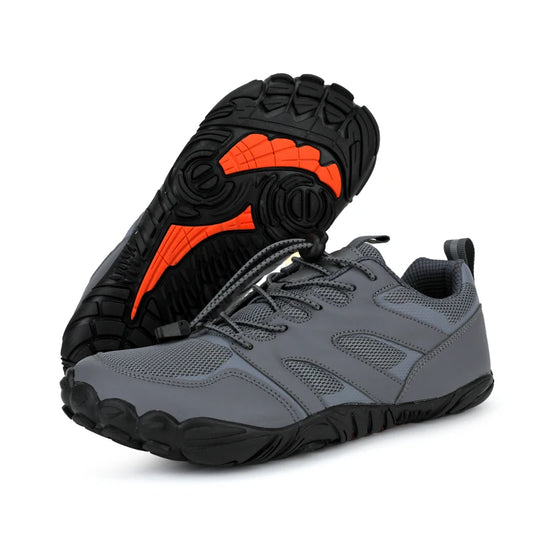
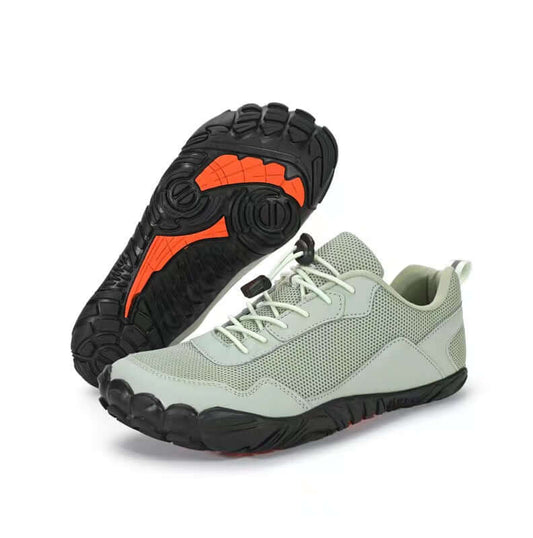
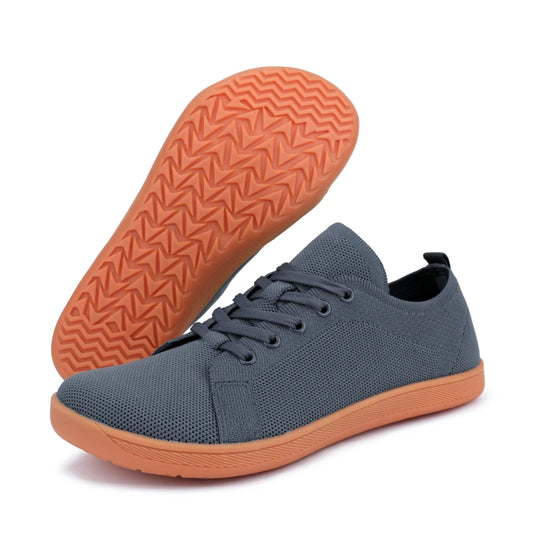
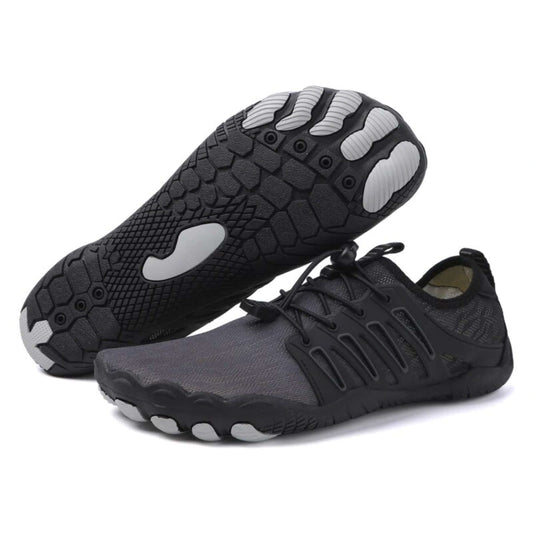
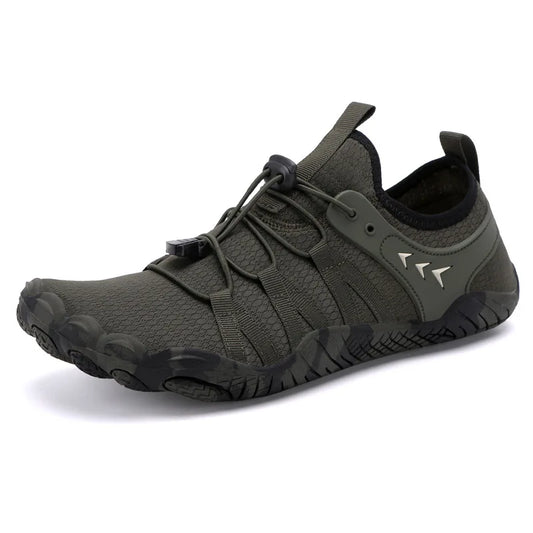
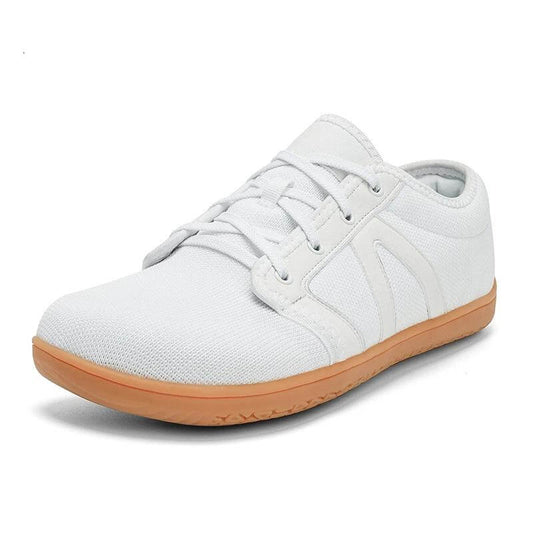
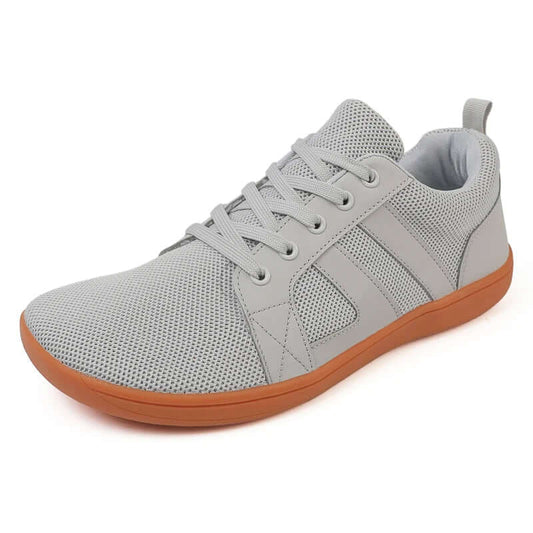
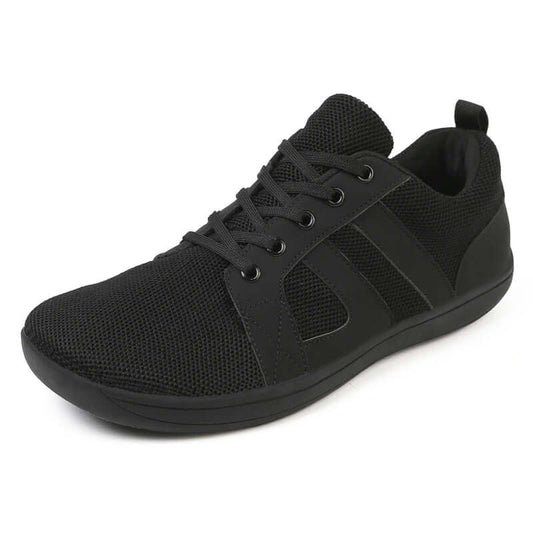
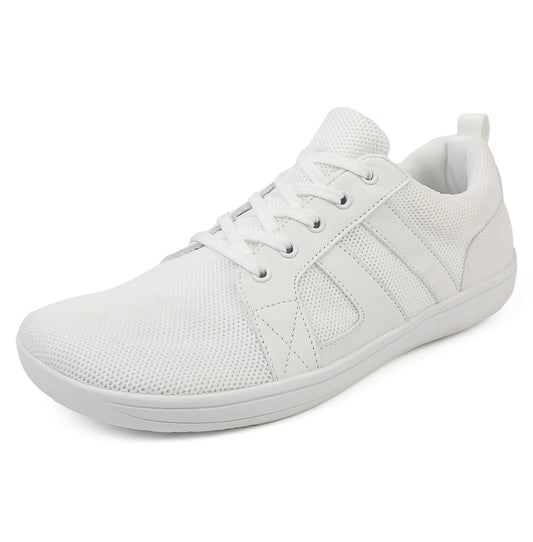
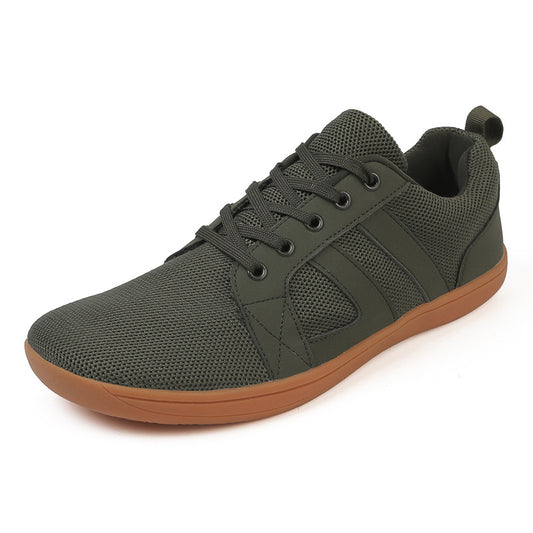
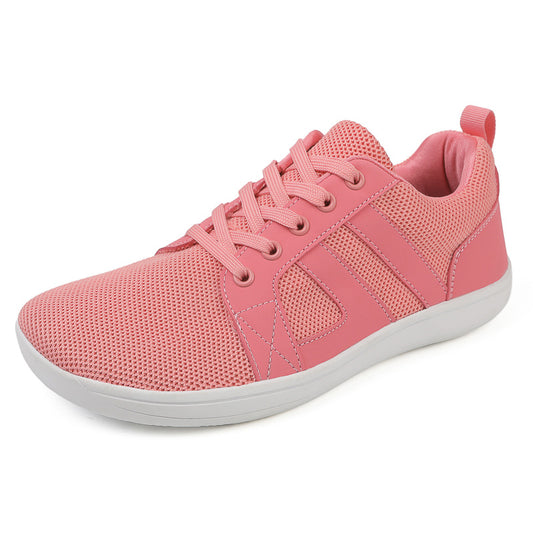
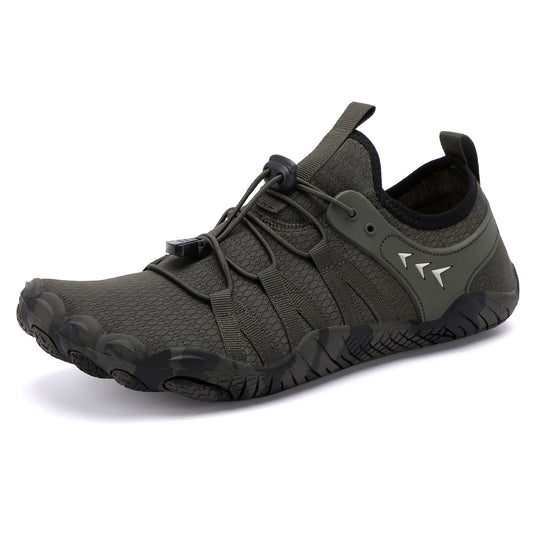
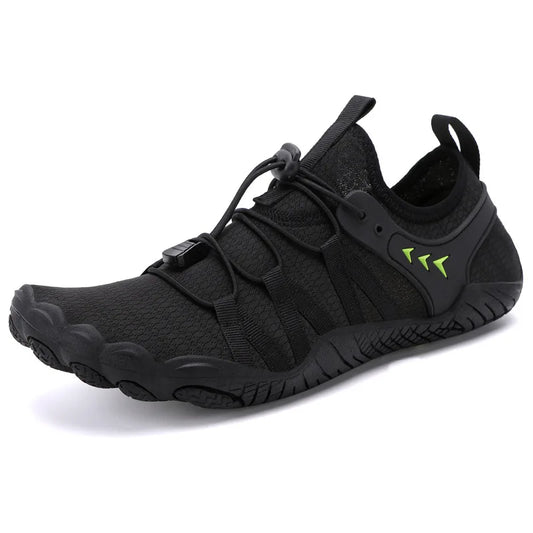
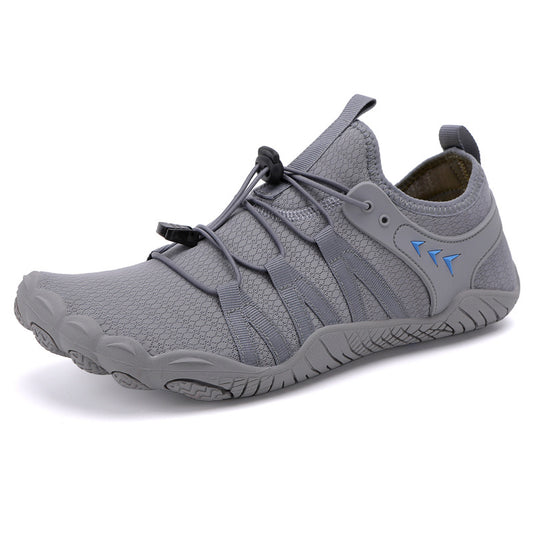
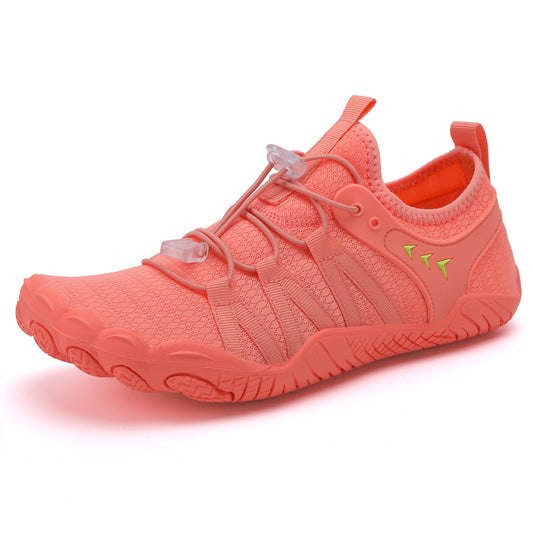
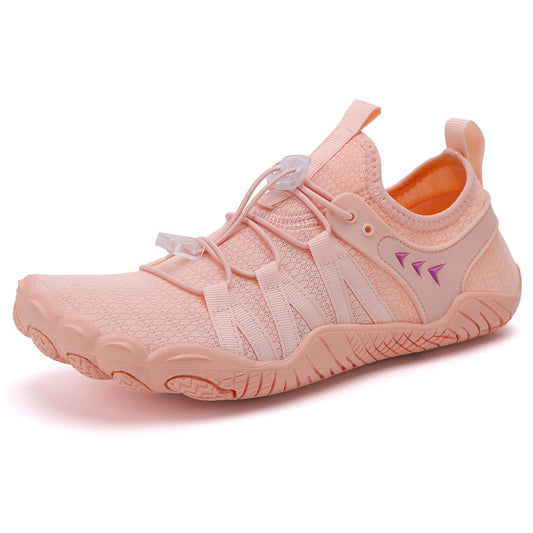
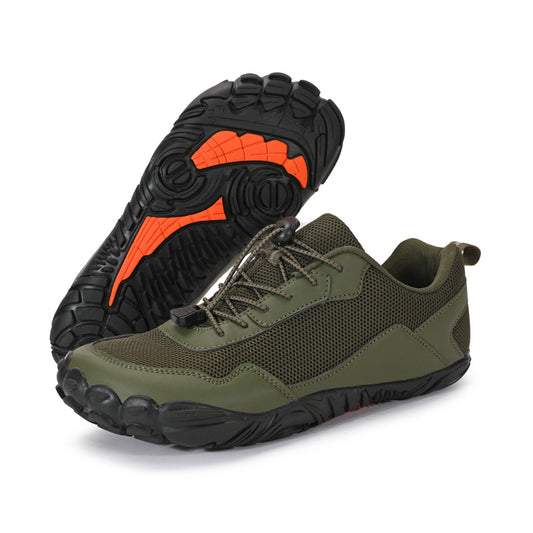
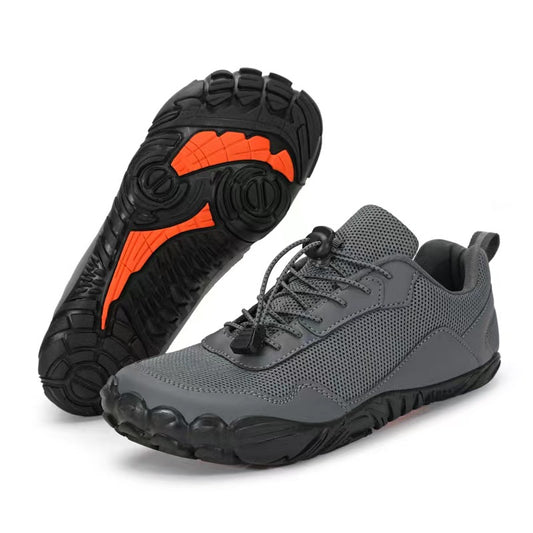
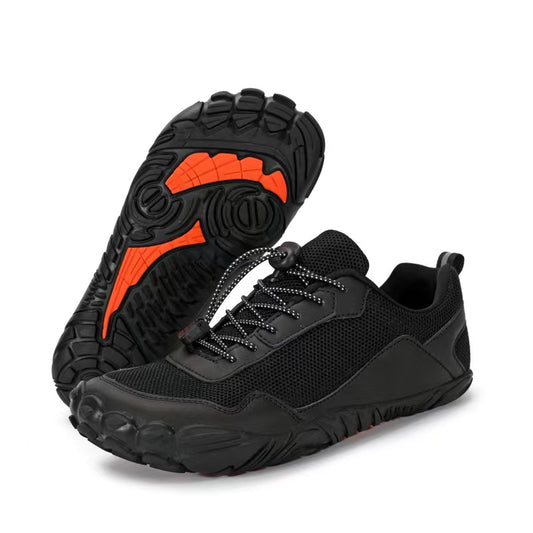
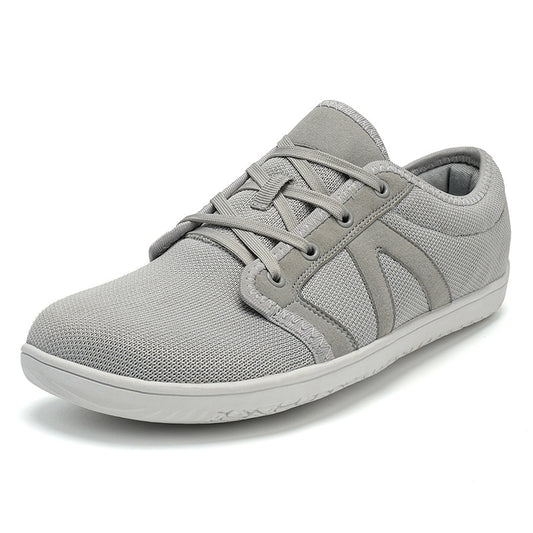
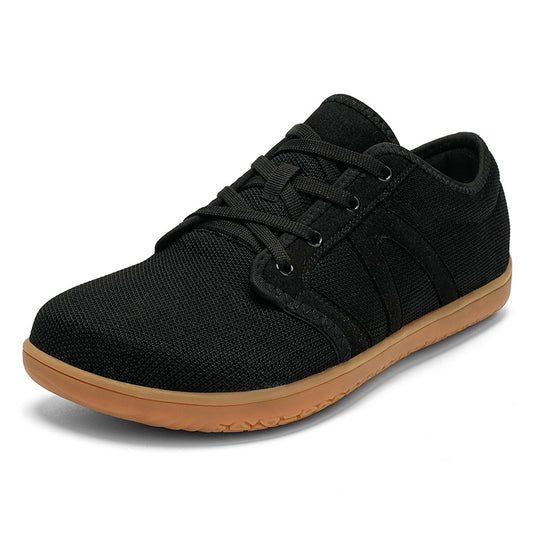
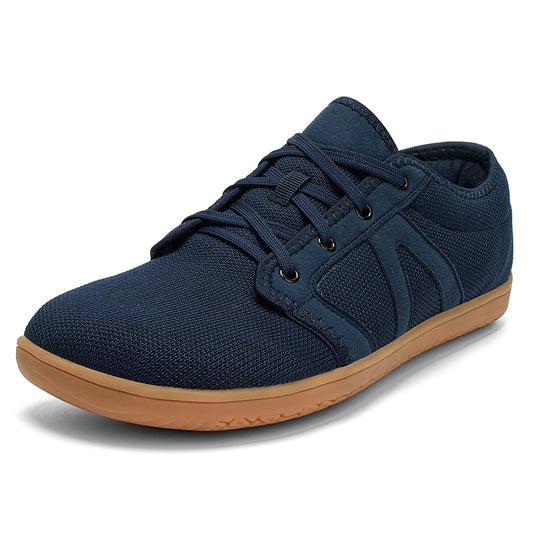
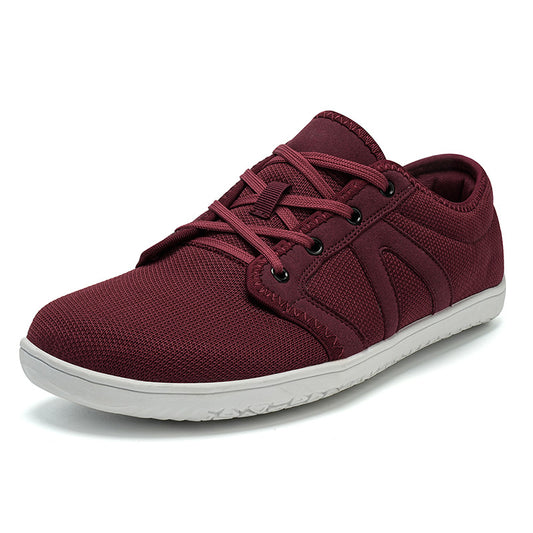
Ready to start living barefoot? JOYO Barefoot shoes provide the foundation-wide toe box, zero-drop sole, flexible construction, no artificial support. From there, how you integrate barefoot principles into your life is up to you. Explore our collection and discover what natural foot function feels like in modern life.