
Share
Why Your Child's Feet Deserve Better: The Parent's Guide to Barefoot Shoes for Kids
There's something most parents don't realize until it's pointed out to them. Take a moment and look at your child's foot-really look at it. Notice how their toes naturally spread out, wide and straight? How their foot is actually shaped more like a triangle than the narrow, pointed shape of most kids' shoes? That natural foot shape is trying to tell you something important.
Now pick up one of their regular sneakers. Try to fit your hand inside with your fingers spread naturally. You can't, right? Your fingers have to squeeze together, overlap, scrunch up. And that's exactly what's happening to your child's developing feet every single day they wear conventional shoes.
This realization hits parents hard once they see it. The shoes we've been buying-the cute ones with cartoon characters, the trendy ones all the other kids wear, even the expensive "supportive" ones-they're all working against our children's natural foot development. And unlike adults whose feet are already formed (for better or worse), our kids' feet are still growing, still developing, still incredibly responsive to what we put on them.
The good news? There's a better way, and it's simpler than you might think. Barefoot shoes for kids aren't some fringe movement or passing trend-they're a return to letting children's feet develop the way nature intended, just with protection from the modern world's rough surfaces.
Let me share what you really need to know about kids' barefoot shoes, based not on marketing hype but on actual research, real parent experiences, and what podiatrists who specialize in children's foot development actually recommend.
What Actually Happens Inside Those Tiny Shoes
Before we talk about barefoot shoes specifically, you need to understand what's happening inside conventional kids' shoes. And I'm not talking about cheap discount store shoes-this applies to most mainstream children's footwear, even the expensive brands.
Most kids' shoes share several features that sound good in marketing but are problematic for developing feet. They have thick, cushioned soles that supposedly "protect" little feet. They have raised heels that create a slope from back to front. They have narrow toe boxes that taper to a point. They have stiff, supportive structures that limit how the foot can move.
Each of these features seems logical. Of course we want to protect our kids' feet. Of course we want to support them. But here's what pediatric podiatrists have discovered: children's feet don't need this kind of intervention. In fact, it often hinders their natural development.
When your child walks in thick-soled shoes, thousands of nerve endings in their feet can't feel the ground. These nerves are supposed to send constant feedback to the brain about balance, terrain, and how to adjust each step. Thick soles block this sensory information, which is why you'll notice young children in bulky shoes tend to look down at their feet more often-they literally can't feel where they're stepping.
The raised heel-even a small one-shifts a child's natural posture forward. To compensate, their body makes tiny adjustments all the way up the chain: ankles, knees, hips, spine. These aren't just minor issues. Studies have found that children who habitually wear heeled shoes develop different walking patterns that can affect their entire musculoskeletal system as they grow.
That narrow toe box? It's probably the most visible problem. Children's toes are meant to spread wide for balance and stability. When shoes squeeze them together, several things happen. The muscles in the foot can't work properly. The toes can't provide their natural gripping and balancing function. And over time-sometimes years, sometimes just months-the foot literally reshapes itself to fit the shoe. Those bunions and hammertoes you see in adults? They often start in childhood, from shoes that were simply too narrow.
The stiffness and "support" in conventional kids' shoes prevents the foot from flexing and moving naturally. Your child's feet contain 26 bones, 33 joints, and over 100 muscles, tendons, and ligaments. All of these components need to move and work to develop properly. When a shoe is too rigid, these muscles don't get exercised. They weaken. The foot becomes dependent on the shoe's structure instead of developing its own strength.
The Research That Changed Everything
For a long time, the conventional wisdom was that children needed supportive, cushioned shoes for healthy foot development. That's what shoe companies said. That's what many doctors recommended. That's what everyone believed.
Then researchers started actually studying children's feet in different parts of the world. A landmark study compared children who habitually went barefoot with children who regularly wore shoes. The results were striking. The barefoot children had wider feet, stronger arches, better balance, and more flexible feet. The shod children-even those wearing "quality" shoes-showed narrower feet, weaker arches, and less developed foot musculature.
Another significant study followed toddlers from their first steps through seven months of walking. Half wore barefoot-style shoes, half wore conventional footwear. After seven months, the differences were measurable. The barefoot shoe group showed better arch development, better foot mechanics, and stronger foot muscles. The conventional shoe group showed early signs of the foot adaptations (or maladaptations) that we see in shoe-wearing adults.
Tracy Byrne, a podiatrist who specializes in children's feet, explains it simply: "Walking barefoot supports muscle and ligament development, strengthens the foot's arch, improves proprioception, and promotes good posture." She notes that toddlers learning to walk actually walk with their heads up more when barefoot because they're getting better sensory feedback from their feet, reducing the need to constantly look down.
The science consistently points to the same conclusion: children's feet develop best when allowed to function as naturally as possible. But completely barefoot isn't practical or safe in modern environments. That's where barefoot shoes come in.
What Actually Makes a Shoe "Barefoot"
The term "barefoot shoes" sounds contradictory, and that confusion has led to a lot of marketing nonsense where regular shoes get labeled as "minimalist" or "barefoot-inspired" without actually having the features that matter.
Real barefoot shoes have four essential characteristics, and all four need to be present:
A wide toe box is the most visible feature. The front of the shoe should match the natural shape of your child's foot-widest at the toes, not tapering to a point. When your child is wearing barefoot shoes correctly sized, there should be a thumb's width of space in front of their longest toe, and all their toes should be able to spread naturally without touching the sides. If you can't see a clear gap between each toe, the toe box isn't wide enough.
A zero-drop sole means the heel and toe are at exactly the same height off the ground. No slope, no elevation, no "heel-to-toe drop" as it's called in running shoes. This allows the foot to rest in its natural position and maintains proper posture up through the entire body. Even a small heel elevation-which many "flat" shoes actually have-changes how a child walks and stands.
A thin, flexible sole is critical for sensory feedback and natural foot movement. The sole should be thin enough that your child can feel the ground texture through it (though they shouldn't feel sharp objects). It should be flexible enough that you can easily bend and twist the shoe with your hands. If you need significant force to flex the shoe, it's too stiff for barefoot function.
No built-in arch support is perhaps the most counterintuitive feature for parents. We've been told children need arch support, but research shows the opposite. Arches develop through use-through the muscles, tendons, and ligaments working and strengthening. Artificial arch support prevents this work from happening, which can actually lead to weaker arches over time. A truly barefoot shoe has a flat insole that allows the foot's own architecture to do its job.
Together, these features allow children's feet to function almost exactly as they would barefoot, while still providing protection from rough or dirty surfaces, temperature extremes, and sharp objects.
When to Start and How to Transition
One of the most common questions parents ask is about timing. Should I put my baby in barefoot shoes from the start? What if my child has been wearing conventional shoes for years-is it too late to switch?
For babies and brand-new walkers, the answer is actually simpler than for older children. The recommendation from pediatric podiatrists is clear: until children are walking confidently and need outdoor foot protection, barefoot is best. No shoes at all, just socks if needed for warmth. When they do need shoes for outdoor exploration, barefoot-style shoes are ideal because they extend that natural development phase.
If your baby isn't walking yet, soft-soled pre-walking shoes or just socks with grips are all you need. Save your money on walking shoes until they actually need them. When they do start walking and need outdoor protection, that's when proper barefoot shoes make sense.
For older children who've been wearing conventional shoes, the transition requires more care. Their feet have adapted to shoe support and cushioning. Their muscles have weakened from not working. You can't just switch them to completely minimal shoes overnight-their feet need time to strengthen and adapt.
Start by introducing barefoot shoes for short periods-maybe 20-30 minutes of play or walking. Let them wear their conventional shoes for the rest of the day initially. Each week, gradually increase the time in barefoot shoes as their feet get stronger. Watch for signs of fatigue or discomfort. Some muscle tiredness is normal as feet strengthen, but sharp pain or extreme fatigue means you're going too fast.
While transitioning, you can help strengthen their feet through simple exercises and play. Walking on different textures-grass, sand, smooth stones, textured mats-helps wake up those sensory nerves and strengthens foot muscles. Balance games like standing on one foot or walking along a line engage the stabilizing muscles. Even just more barefoot time at home helps.
The transition typically takes anywhere from a few weeks to a couple of months, depending on your child's age and how long they've been in conventional shoes. Younger children adapt faster. A toddler who's been in supportive shoes for six months will transition much quicker than a seven-year-old who's worn them for years. But it's never too late-feet remain remarkably responsive to changes throughout childhood.
Real Benefits You'll Actually Notice
The research on barefoot shoes is compelling, but what does it actually mean for your child day-to-day? What will you notice as a parent?
Balance and coordination improve noticeably for most children. When feet can feel the ground and work naturally, the brain gets better information about body position and movement. Parents often report their kids trip and stumble less, navigate uneven ground more confidently, and show better overall body awareness.
Posture changes are subtle but real. Children in barefoot shoes stand more naturally upright because their body isn't compensating for elevated heels. You might notice they don't lean as far forward when running or standing. This natural alignment can reduce strain on knees, hips, and back-issues that don't always show up until later in life but have roots in childhood habits.
Foot strength develops over time in ways you can actually measure. A child's arch becomes more pronounced and resilient. Toes spread wider and work independently. The overall foot structure looks more robust and capable. Some parents even notice their child's foot shape changes-becoming wider and more triangular, which is actually the natural, healthy shape.
Sensory development is huge but often overlooked. Those thousands of nerve endings in the feet are gathering information constantly. Better sensory input helps with everything from balance to spatial awareness to even cognitive development. The feet-brain connection is real and important.
Many parents report their children simply prefer barefoot shoes once they adjust. Kids say things like "I can feel where I'm stepping" or "these let my feet move." They run faster, jump higher, climb more confidently. The freedom of movement is something children naturally seek out.
Choosing the Right Barefoot Shoes for Your Child
Not all shoes marketed as "barefoot" or "minimalist" actually meet the criteria that matter. The market has gotten crowded with options, and sorting through them can be overwhelming. Here's what to actually look for when shopping.
Check the toe box first. This is where most "barefoot-style" shoes fail. The toe area should be genuinely wide-wider than conventional shoes, wider than what looks "normal" to you. Your child's toes should spread naturally with visible space between them. If the shoes look narrow or tapered at the front, they're not truly barefoot regardless of what the marketing says.
Test the sole flexibility by taking the shoe and trying to bend it in half, twist it, and roll it up. You should be able to do all of these easily with moderate hand pressure. If the shoe resists significantly, the sole is too stiff. The sole should also be thin-typically 3-6mm for kids' barefoot shoes. You should be able to feel texture through it when you press on the sole.
Verify zero-drop by placing the shoe on a flat surface and looking at it from the side. The heel and toe should touch the surface at exactly the same height. Even a small visible difference means there's heel elevation. Some brands claim zero-drop but actually have subtle heels, so check yourself rather than trusting labels.
Check the inside of the shoe for a completely flat insole with no arch support, no padding that creates different heights, no built-up areas. It should be basically flat from heel to toe.
Consider materials based on use and climate. Breathable knit uppers work great for warm weather and active play. Leather offers more structure and often better durability, plus it works in cooler weather. Synthetic materials can be lighter and often dry faster, good for water play or muddy adventures. Each has trade-offs, but the structural features-toe box, sole, drop-matter more than material for barefoot function.
For sizing, barefoot shoes typically require more length than conventional shoes. You want about a thumb's width (roughly 12-15mm) of space in front of the longest toe. This space allows for natural toe spread and growth. The shoe should fit snugly around the heel and midfoot without slipping, but that toe room is essential.
Common Worries Parents Have
Every parent considering barefoot shoes has concerns. Let me address the most common ones honestly.
"Won't my child get hurt without cushioning?" This is probably the biggest worry. The thinking goes: thin soles mean more impact, which means foot pain or injury. But research doesn't bear this out. Children's natural gait and foot structure actually provide excellent shock absorption when allowed to work properly. The foot's arch acts like a spring. The muscles and tendons absorb and distribute forces. Thick cushioning actually interferes with these natural mechanisms. Studies comparing injury rates in barefoot versus cushioned shoes don't show higher injury rates-if anything, the opposite, because better ground feel helps children avoid missteps.
"What about arch support-don't growing feet need that?" This is deeply ingrained in our thinking, but it's based on outdated ideas. Arches develop through use and strength, not through passive support. Think of it like this: if you put a child's arm in a sling for months, the arm muscles would weaken. Arch supports do something similar to foot muscles. Research actually shows that children who wear supportive shoes often develop weaker arches than those who go barefoot or wear minimal shoes. The muscles need to work to grow strong.
"Will these work in winter or wet weather?" Absolutely. Many barefoot shoe brands make insulated winter boots and water-resistant styles. The barefoot principles-wide toe box, thin sole, zero-drop-work just fine in weatherproof materials. Your child might need slightly thicker socks in winter barefoot boots than in conventional boots, but that's a minor adjustment. The key features that matter for foot health remain the same across seasons.
"My child does sports-don't they need more support for that?" Most kids actually move better in barefoot-style athletic shoes. Better ground feel improves balance and agility. Stronger foot muscles provide natural stability. Many young athletes who switch to barefoot shoes report feeling faster, more responsive, and more confident in their movements. For specific sports with particular equipment requirements, you might need conventional shoes (like soccer cleats), but for general athletic activity, barefoot works great.
"These seem expensive compared to regular kids' shoes." Quality barefoot shoes often cost more upfront than mainstream brands. But consider the value differently. Your child's feet are developing once-this is the foundation for their body mechanics for life. And practically speaking, good barefoot shoes last a long time, often outlasting cheaper conventional shoes. Plus, you're not buying orthotics, arch supports, or special insoles to compensate for poor shoe design.
How JOYO Barefoot Shoes Work for Kids
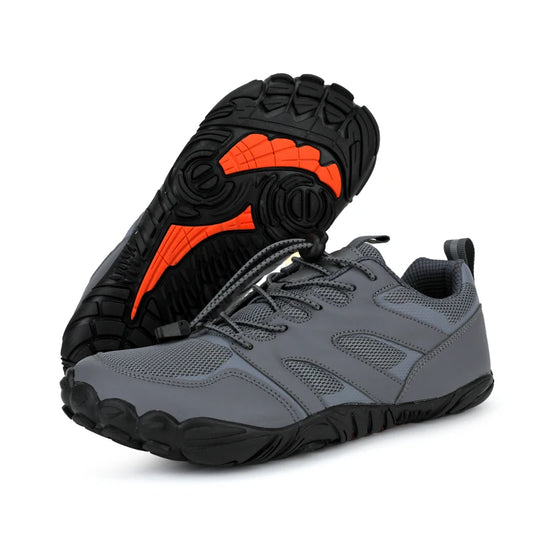
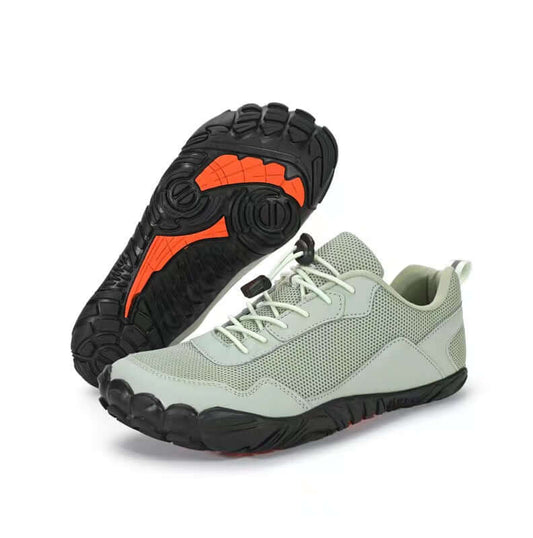
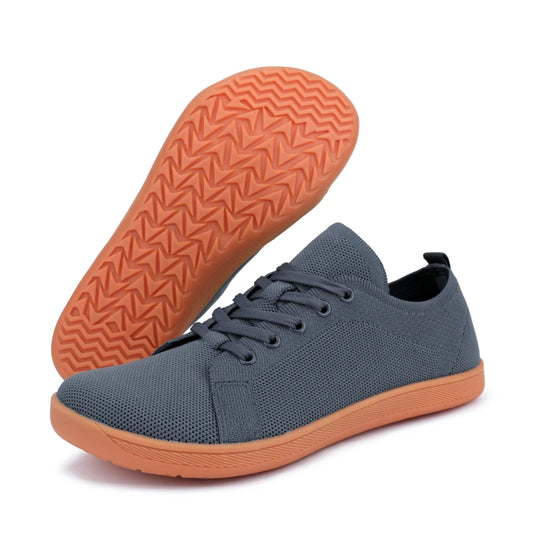
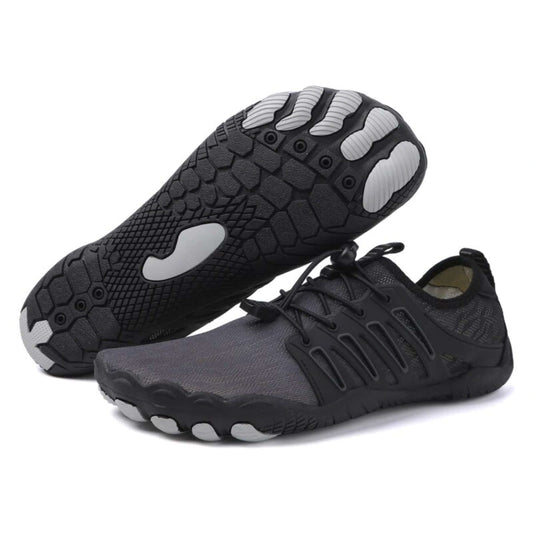
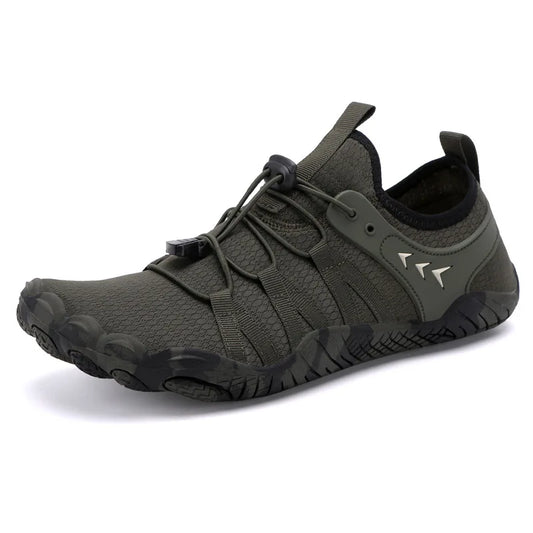
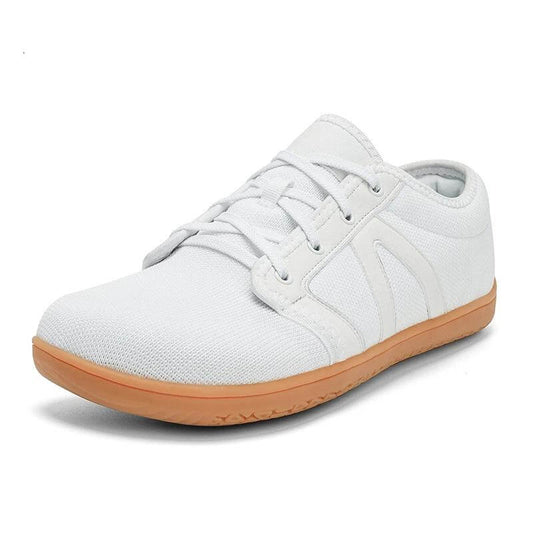
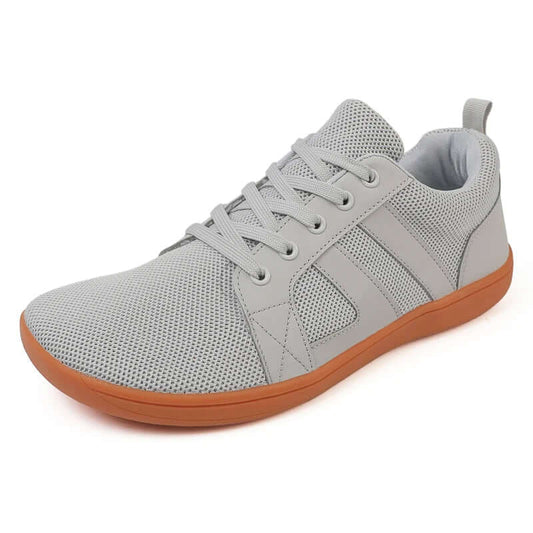
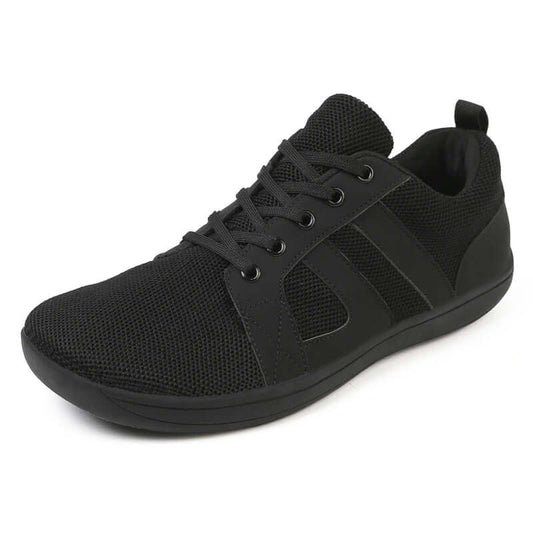
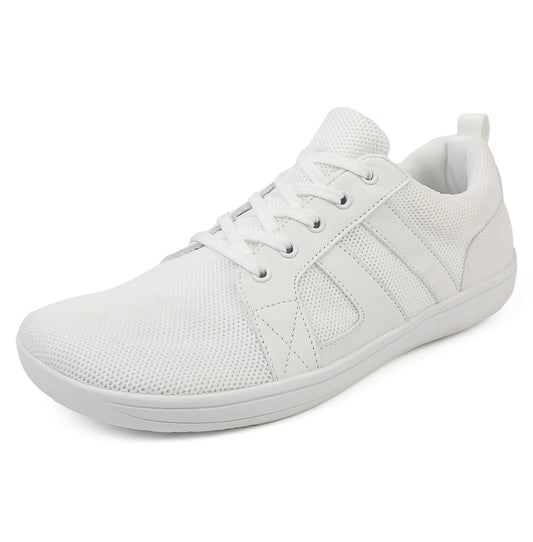
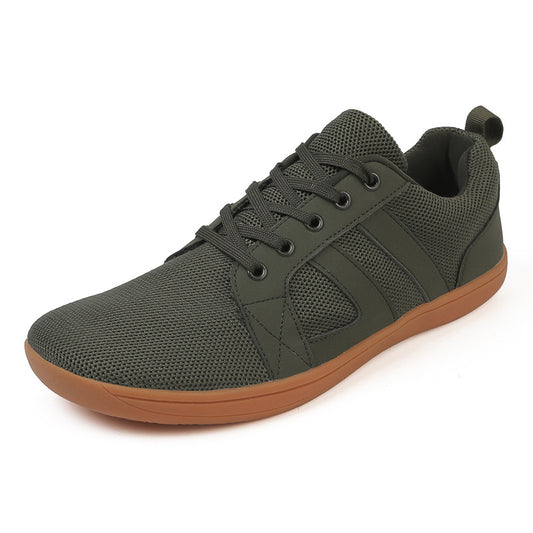
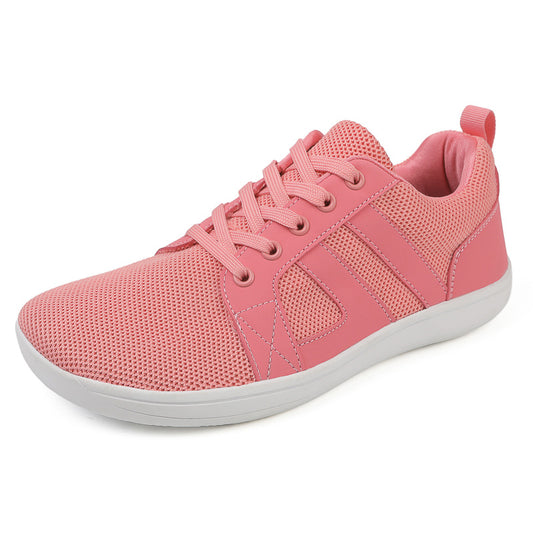
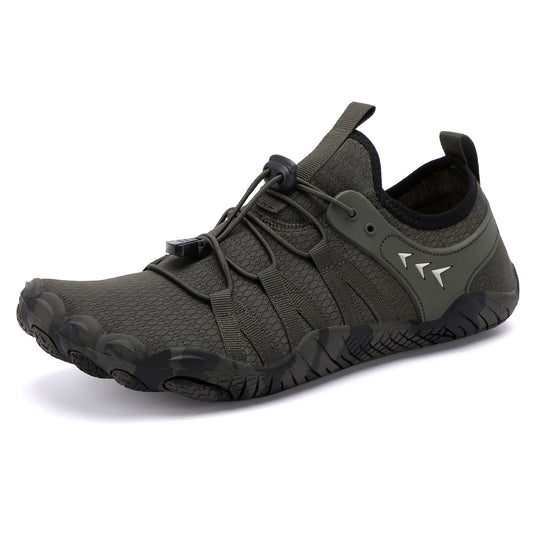
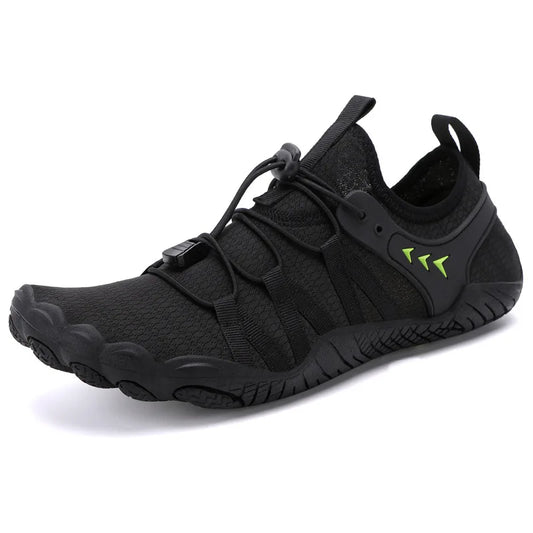
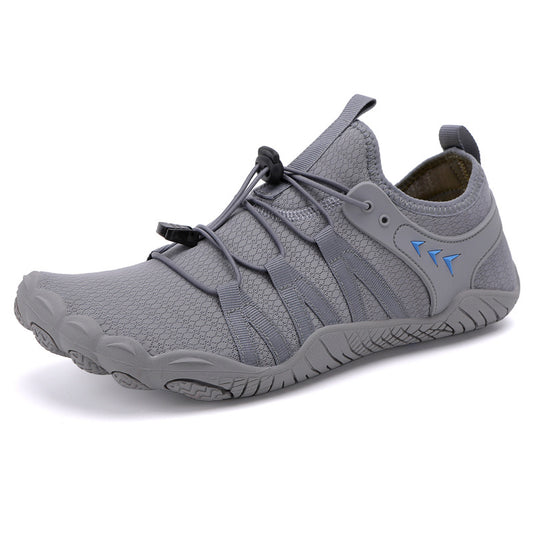
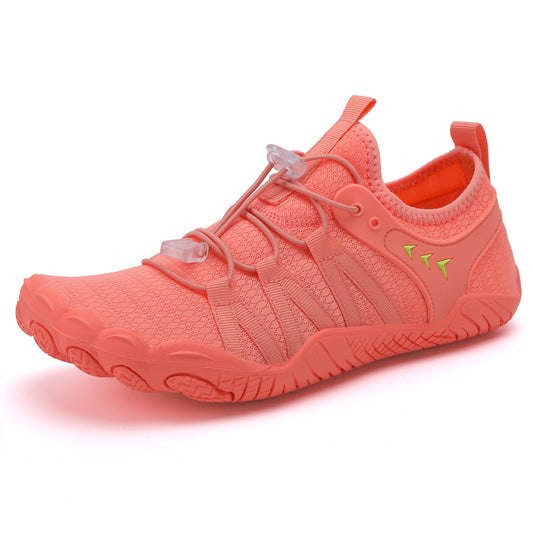
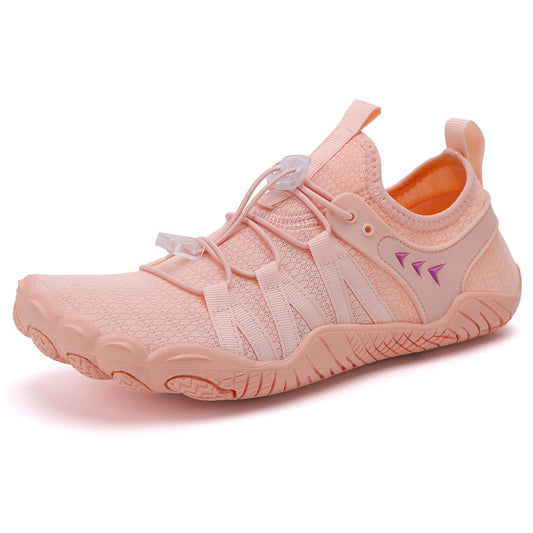
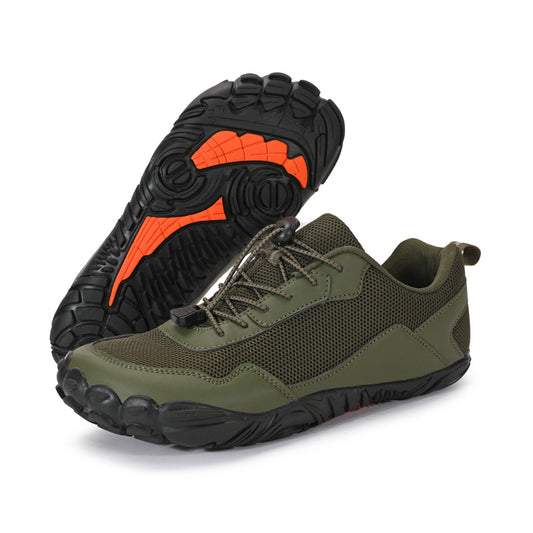
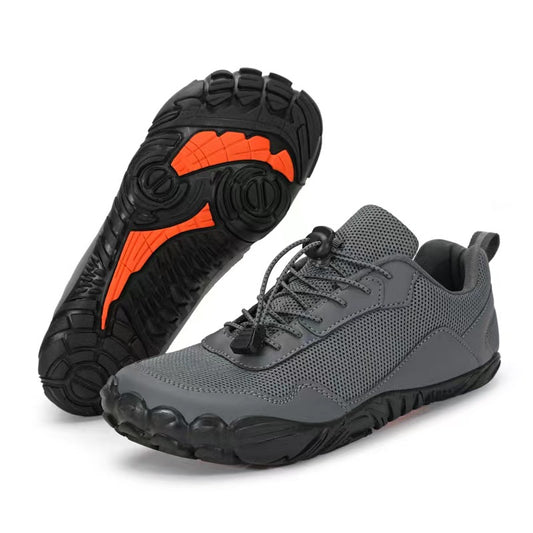
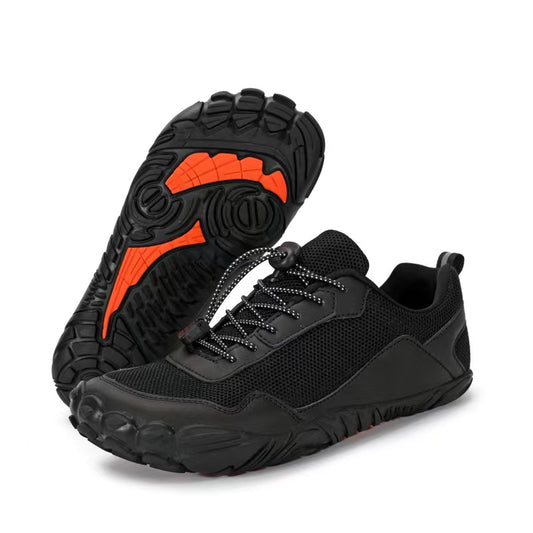
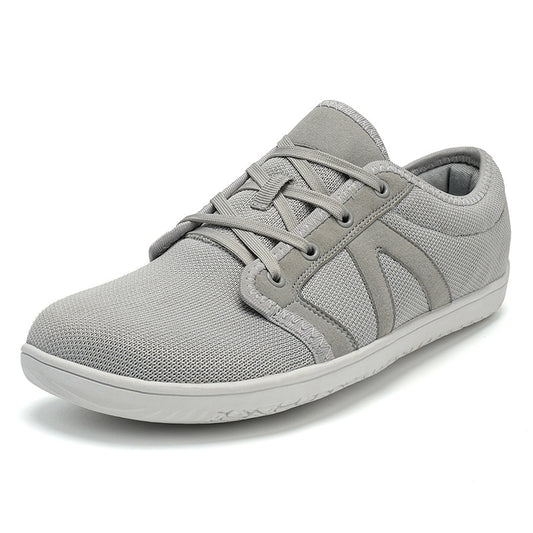
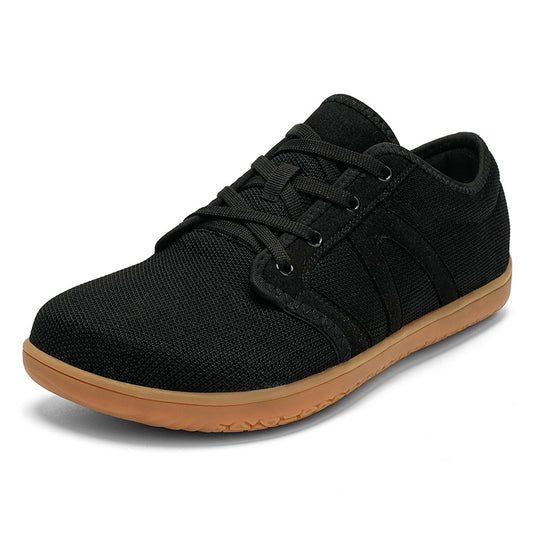
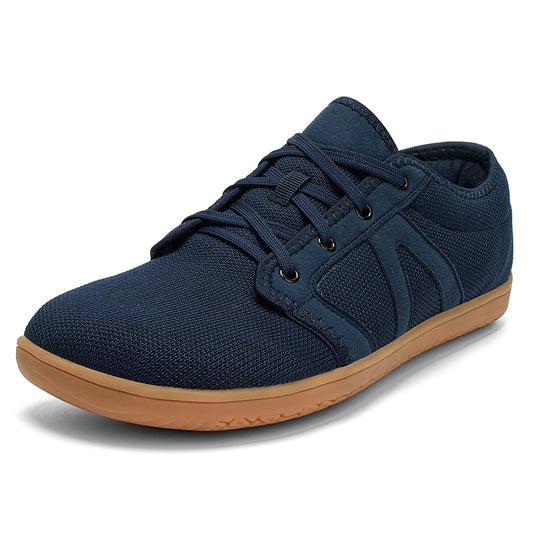
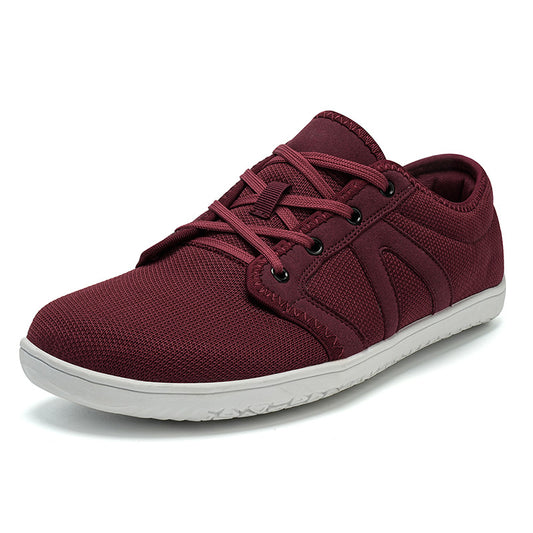
JOYO's kids' barefoot shoes are designed specifically around the four essential features we've discussed-wide toe box, zero-drop sole, thin flexible construction, and no artificial arch support. But they add practical elements that matter for actual kids living actual lives.
The construction prioritizes durability because kids are hard on shoes. Reinforced toe caps protect against the inevitable scuffing from climbing and kicking. Double-stitching in high-stress areas holds up to the twisting and pulling shoes endure. Quality materials resist the wear that comes from constant active movement.
The design considers that kids need to get shoes on and off quickly and easily. Elastic lacing systems, wide openings, and pull tabs mean children can manage their own shoes-important for independence and for those rushed school mornings.
Multiple styles mean there's a barefoot option for different activities and preferences. Trail shoes for outdoor adventure. Urban sneakers for everyday wear. Quick-dry styles for water play. Each maintains the core barefoot features while meeting specific needs.
The range of sizes accommodates different ages and foot sizes, with actual measurements provided rather than just hoping the size conversions work. This matters because barefoot shoe sizing often differs from conventional sizing, and getting the right fit is crucial for both comfort and proper foot function.
Making the Transition Work in Real Life
Knowing the theory is one thing. Actually transitioning your kids to barefoot shoes while managing school requirements, peer pressure, and busy schedules is another. Here's how to make it work practically.
Start with the shoes your child wears most-usually their main play and outdoor shoes. These get the most wear time and have the biggest impact on foot development. Keep their school shoes or sports-specific shoes conventional temporarily if needed, then transition those later once their feet have strengthened.
Involve your child in the process. Explain in age-appropriate terms why these shoes are better for their feet. Let them choose colors or styles within the barefoot options. Kids who understand why and have some choice are much more likely to embrace the change than kids whose parents just suddenly change all their shoes.
For school situations where specific shoes are required, communicate with teachers or administrators. Many schools are becoming more aware of barefoot shoes and foot health. Some parents have successfully gotten barefoot shoes approved even when they initially weren't on the "acceptable" list, by explaining the health benefits and showing that the shoes meet the school's actual requirements (covered toe, closed back, etc.).
With peer pressure about "cool" shoes, focus on function and performance. Kids often respond well to knowing their shoes help them run faster, jump higher, balance better. Some barefoot brands are getting trendy enough that other kids think they're cool anyway. And honestly, once one kid in a class has them and talks about how great they feel, others often get curious.
Build in plenty of actual barefoot time when possible-at home, in the yard, at the beach. Even with barefoot shoes, some completely barefoot time helps feet stay strong and sensitive. Think of barefoot shoes as extending barefoot benefits to situations where actual bare feet aren't practical.
What Parents Should Really Know
After thousands of children have transitioned to barefoot shoes, certain patterns have emerged that parents should know upfront.
The transition period can include some muscle fatigue. This is normal and good-it means feet are working and strengthening. The tiredness usually resolves within a few weeks as muscles adapt. But if you see pain rather than just tiredness, slow down the transition.
Some children adapt instantly and love barefoot shoes immediately. Others need time to adjust and might complain initially that the shoes "feel weird" or that they can "feel everything." This is actually the point-their feet are waking up sensorially. Most kids who resist initially end up preferring barefoot shoes within a few weeks once they experience the freedom of movement.
Your child's feet might look different as they develop naturally. They'll likely become wider, with more space between toes. This is healthy and normal. Don't be alarmed if their feet look different from other kids' feet-those other kids' feet are adapting to narrow shoes, which isn't actually the goal.
Feet grow at different rates, and checking size regularly matters more with barefoot shoes because proper fit is so important. Every 6-8 weeks for young kids, every couple months for older ones. Don't assume the size is still right just because the shoes still physically fit-check that thumb's width space at the front.
Once your child experiences barefoot shoes, conventional shoes often feel uncomfortable to them. This is actually a positive development-their feet have become accustomed to natural movement and resist restriction. But it can make shoe shopping challenging if they need conventional shoes for specific purposes. Plan accordingly.
The long-term benefits aren't just about feet. Children who grow up in barefoot-style shoes develop natural movement patterns, better balance, stronger bodies, and more confidence in their physical capabilities. These benefits compound over years and set them up for healthier, more capable bodies throughout life.
Your Next Step
The science is clear. The anecdotal evidence from thousands of parents is compelling. The expert recommendations are consistent. Barefoot shoes support healthy foot development in children in ways conventional shoes simply cannot.
This doesn't mean you need to throw out every shoe your child owns tomorrow. Start with one pair of barefoot shoes for the situations where your child spends the most active time. Watch how their feet respond. Notice the changes in how they move, balance, and develop. Then make decisions about expanding their barefoot shoe wardrobe based on what you observe.
Children's feet develop once. The patterns established in childhood-both healthy and problematic-persist into adulthood. This is your opportunity to give your child's feet the freedom to develop naturally, to grow strong, to function as they're meant to function.
Your child deserves shoes that work with their body, not against it. Shoes that support natural development, not restrict it. Shoes that let them move with freedom, confidence, and joy. That's what barefoot shoes offer, and that's what your child's growing feet deserve.
Ready to give your child's feet the freedom they deserve? JOYO Kids barefoot shoes combine all the essential features for healthy foot development-wide toe box, zero-drop sole, flexible construction-with the durability and style kids actually want to wear. Explore our kids' collection and discover barefoot shoes built for real childhoods.