Advanced Foot Strengthening Exercises to Pair with Barefoot Shoes
Are you already wearing barefoot shoes, but feel like your feet could be stronger, more agile, or more resilient? You've embraced the natural movement revolution, but perhaps you're hitting a plateau or seeking to unlock the full potential of your foot health. At JOYO Barefoot, we understand that minimalist footwear is a powerful tool, but it's only half the equation. The other half? Deliberate, targeted foot strengthening.
Find Your First Pair of Barefoot Shoes
Explore JOYO Barefoot collections designed for natural foot movement and all-day comfort.
Shop All Barefoot ShoesWhile many resources cover basic foot exercises for transitioning to barefoot shoes, this guide dives deeper. We're focusing on advanced foot strengthening exercises designed to elevate your foot function, enhance proprioception, and build robust, injury-resistant feet, perfectly complementing your JOYO Barefoot experience. This isn't just about avoiding pain; it's about optimizing performance, whether you're a seasoned trail runner, a dedicated urban explorer, or a parent chasing energetic kids.
Quick Answer: Elevating Your Foot Strength with Barefoot Shoes
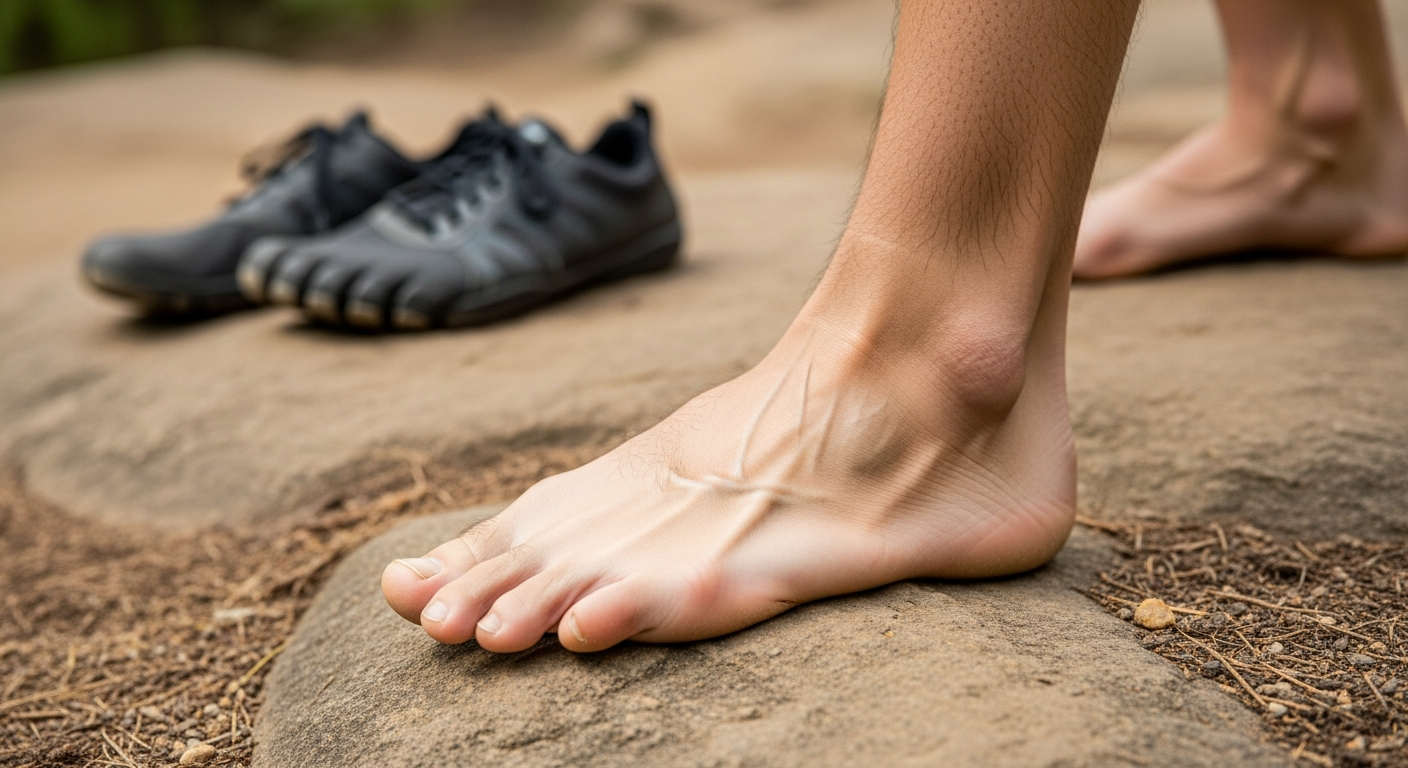
To truly maximize the benefits of barefoot shoes, integrate advanced foot strengthening exercises like the Short Foot Exercise with progressive resistance, Toe Yoga with dynamic holds, single-leg balance drills on unstable surfaces, and targeted calf and ankle mobility work. These go beyond basic stretches, focusing on intrinsic foot muscle activation, dynamic stability, and neural pathway development to build a resilient, high-performing foot structure that thrives in minimalist footwear.
Why Go Beyond the Basics? The Case for Advanced Foot Strengthening
You've made the switch to barefoot shoes - congratulations! You're already giving your feet more freedom than most. But just as wearing a weight vest doesn't automatically make you stronger without lifting weights, wearing minimalist shoes alone won't fully optimize your foot's capabilities. Years of conventional, restrictive footwear can lead to significant atrophy and dysfunction in the 33 joints, 26 bones, and over 100 muscles, tendons, and ligaments in each foot.
Advanced foot strengthening isn't just about 'fixing' problems; it's about unlocking potential. It's about:
- Enhanced Proprioception: Improving your foot's ability to sense its position and movement in space, crucial for balance and agility.
- Increased Power & Efficiency: A strong, mobile foot acts as a better spring, improving gait efficiency for walking, running, and jumping.
- Injury Prevention: Robust foot muscles and connective tissues are more resilient to common issues like plantar fasciitis, Achilles tendinitis, and ankle sprains.
- Better Whole-Body Alignment: Your feet are your foundation. Strengthening them can positively impact knee, hip, and spinal alignment.
- Optimized Barefoot Shoe Experience: Stronger feet can truly leverage the ground feedback and natural movement design of JOYO Barefoot shoes.
The Core Principles of Advanced Foot Training
Before diving into specific exercises, let's establish the principles that differentiate advanced foot training from beginner routines:
- Progressive Overload: Just like any muscle, foot muscles need increasing challenge to grow stronger. This means more reps, longer holds, added resistance, or increased complexity.
- Specificity: Exercises should mimic the demands of your activities. Runners need dynamic stability; hikers need robust ankle strength; everyday walkers need endurance.
- Mind-Muscle Connection: Actively thinking about engaging specific foot muscles rather than just going through the motions.
- Integration: Foot strength isn't isolated. It needs to be integrated into whole-body movements and balance.
- Consistency: Small, consistent efforts yield significant long-term results.
Advanced Foot Strengthening Exercises to Pair with Your JOYO Barefoot Shoes
Here are several targeted exercises designed to build a truly robust and responsive foot. Aim to incorporate 2-3 of these into your routine 3-4 times a week, gradually increasing intensity and duration.
1. The Progressive Short Foot Exercise (SFX)
The Short Foot Exercise (SFX) is foundational, but we're taking it further. It targets the intrinsic foot muscles, crucial for arch support and stability.
How to Perform:
- Basic SFX: Sit or stand with your foot flat. Without curling your toes, try to shorten your foot, lifting the arch and drawing the ball of your foot closer to your heel. Imagine a small dome forming under your arch. Hold for 5-10 seconds, release. Repeat 10-15 times per foot.
- Progressive Resistance SFX: Once the basic SFX is mastered, perform it while standing on one leg. This increases the load significantly.
- Weighted SFX: Hold a light dumbbell (1-2 kg) in the hand on the same side as the foot you're training while performing the single-leg SFX. The added weight further challenges your arch stability.
- Dynamic SFX: Perform the SFX while walking slowly, maintaining the arch activation with each step. This integrates the strength into functional movement.
Why it's Advanced:
Moving from seated to single-leg standing, then adding weight and dynamic movement, progressively challenges the intrinsic foot muscles and improves balance under load.
2. Dynamic Toe Yoga with Resistance
Toe Yoga isolates and strengthens individual toe movements, enhancing dexterity and ground interaction. We're adding dynamic holds and resistance.
How to Perform:
- Basic Toe Splay & Lift: With your foot flat, spread your toes as wide as possible. Then, keeping your big toe down, lift your other four toes. Next, keep your four smaller toes down and lift only your big toe. Alternate these movements slowly and deliberately.
- Weighted Toe Lifts: Place a small, light object (like a marble or a small beanbag) under your big toe. Lift just the big toe, hold for 3-5 seconds, then lower. Repeat with the four smaller toes.
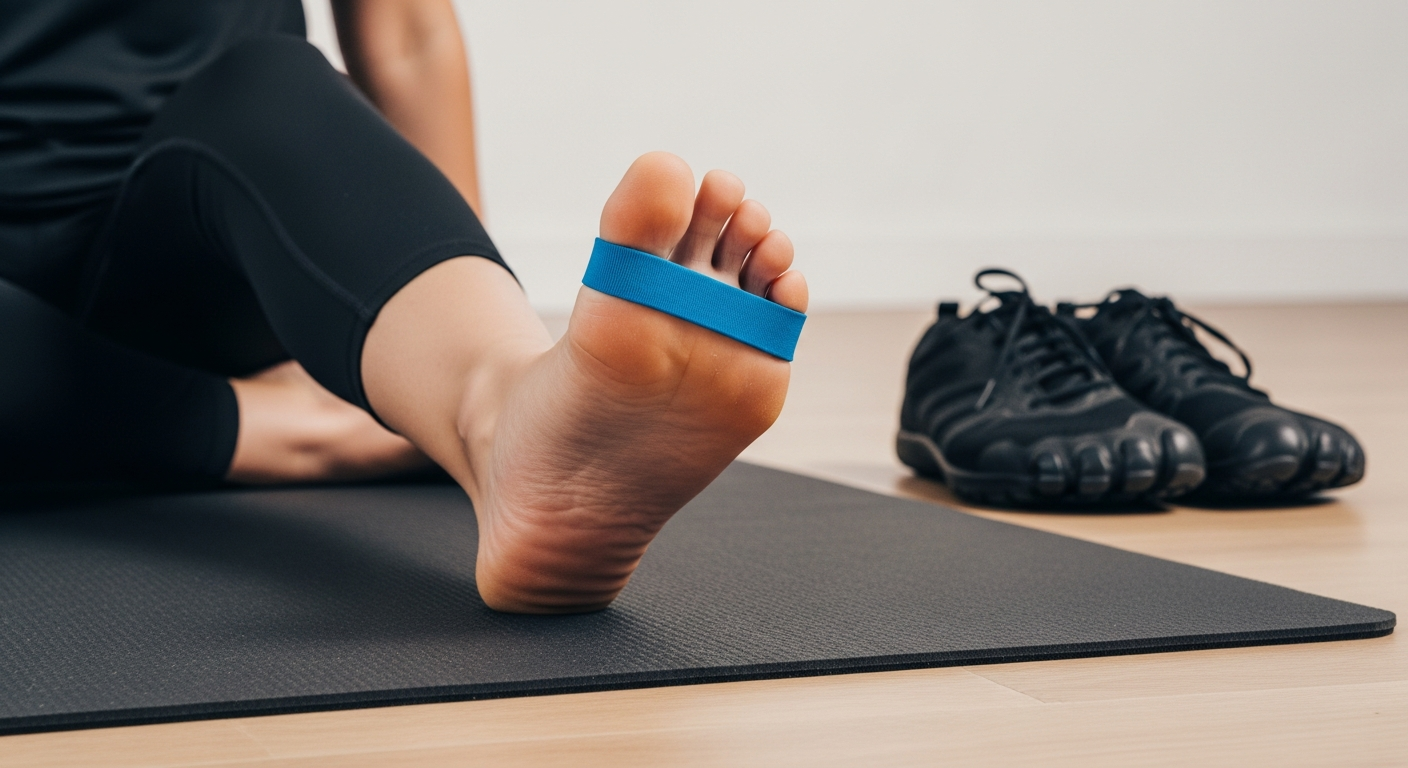
- Resistance Band Toe Abduction: Loop a small resistance band around your big toes. Try to splay your big toes outwards against the band's resistance. Hold for 5 seconds, repeat 10-15 times.
- Towel Scrunches with Weight: Place a small towel flat on the floor. Place a light weight (e.g., a 0.5 kg bag of rice) on the far end of the towel. Use only your toes to scrunch the towel towards you. Repeat until the entire towel is scrunched.
Why it's Advanced:
Adding resistance and weight forces greater muscle activation and control, translating to better grip and stability when wearing minimalist shoes like the JOYO Barefoot Runner.
3. Unstable Surface Single-Leg Balance
This exercise dramatically improves proprioception and ankle stability, crucial for navigating varied terrain in barefoot shoes.
How to Perform:
- Basic Single-Leg Balance: Stand on one leg on a firm surface. Hold for 30-60 seconds. Progress by closing your eyes.
- Pillow Balance: Stand on one leg on a folded pillow or cushion. This introduces a moderate level of instability. Focus on keeping your foot muscles active to maintain balance. Hold for 30-60 seconds per leg.
- Balance Board/Wobble Board: Progress to a balance board or wobble board. Start with two feet, then move to one. Try to keep the edges from touching the ground. This provides significant challenge to ankle stabilizers.
- Dynamic Unstable Balance: While balancing on one leg on a pillow or balance board, perform small, controlled movements with your free leg (e.g., knee raises, leg swings, or reaching forward/sideways).
Why it's Advanced:
Introducing unstable surfaces forces your foot and ankle complex to work harder and faster to maintain equilibrium, building reactive strength and proprioceptive awareness.
4. Eccentric Calf Raises & Ankle Dorsiflexion
Strong calves and flexible ankles are vital for efficient movement and shock absorption. Eccentric (lowering phase) strength is particularly important for injury prevention.
How to Perform:
- Elevated Eccentric Calf Raises: Stand on the edge of a step with your heels hanging off. Push up onto the balls of both feet. Then, shift your weight to one foot and slowly lower your heel below the step level, taking 3-5 seconds. Use both feet to push back up. Repeat 10-15 times per leg.
- Weighted Eccentric Calf Raises: Hold a dumbbell in the hand opposite the leg you are training to increase resistance.
- Banded Dorsiflexion: Sit on the floor with legs extended. Loop a resistance band around the top of your foot and anchor the other end to a sturdy object (or have a partner hold it). Pull your toes and foot towards your shin against the band's resistance. Slowly release. Perform 15-20 repetitions.
- Wall Ankle Mobility Drills: Stand facing a wall, about a foot away. Place your foot flat on the ground. Keeping your heel down, lean forward, driving your knee towards the wall. Increase distance from the wall as your mobility improves. This stretches the calf and improves ankle dorsiflexion.
Why it's Advanced:
Eccentric training builds strength during the lengthening phase of muscle contraction, which is critical for absorbing impact. Banded dorsiflexion directly strengthens the muscles that lift the foot, often neglected.
5. Arch Lifts with Foot Rolls
This exercise combines intrinsic foot muscle activation with dynamic movement, promoting better foot articulation.
How to Perform:
- Seated Arch Lifts: Sit with your feet flat. Lift your arch (Short Foot Exercise) while keeping your toes relaxed on the ground. Hold briefly.
- Standing Arch Lifts with Weight Shift: Stand with feet hip-width apart. Perform an arch lift on one foot. While maintaining the arch, slowly shift your weight onto that foot, then gently roll your weight from the outside edge of your foot to the ball of your foot, then to the big toe. Reverse the roll.
- Walking Arch Lifts: As you walk in your JOYO Barefoot shoes, consciously engage your arches with each step, trying to create that subtle lift and spring.
Why it's Advanced:
Integrating arch activation into dynamic weight shifts and walking patterns translates static strength into functional, dynamic stability, mimicking natural foot mechanics during movement.
Integrating Foot Strengthening into Your Routine
Want the Best Match for This Use Case?
Browse JOYO models curated for this category, then compare fit, outsole flexibility, and toe-box shape.
View Recommended CollectionConsistency is key. Here's how to make these exercises a sustainable part of your life:
- Warm-up First: Always begin with a few minutes of light cardio and dynamic stretches (like ankle circles) before strengthening.
- Listen to Your Body: Start slowly. If you feel pain, stop. Foot muscles can be surprisingly sore initially.
- Short, Frequent Sessions: Even 10-15 minutes, 3-4 times a week, can make a significant difference.
- Post-Workout Mobility: Finish with gentle foot stretches and self-massage using a spiky ball or golf ball to release tension.
- Wear Your JOYO Barefoot Shoes: These exercises will feel more impactful and natural when performed in minimalist footwear, allowing your feet full range of motion and ground feedback.
Choosing the Right JOYO Barefoot Shoes for Your Strengthened Feet
As your feet grow stronger and more adaptable, you'll truly appreciate the design philosophy behind JOYO Barefoot shoes. Our range is crafted to complement and enhance your natural foot function.
| JOYO Barefoot Collection | Best for Foot Strengthening Integration | Key Features | Price Range (Approx. NIS) |
|---|---|---|---|
| Everyday Casual | Daily wear, foundational strength, walking | Wide toe box, zero-drop, flexible sole, durable materials | 350-550 |
| Running & Trail | Dynamic stability, proprioception for varied terrain | Grippy outsole, lightweight, secure fit, enhanced ground feel | 450-680 |
| Hiking & Adventure | Ankle stability, rugged protection, long-duration strength | Robust construction, water-resistant options, excellent traction | 500-750 |
| Kids' Collection | Natural development, early foot health habits | Flexible, durable, easy-on, fun designs for active play | 280-450 |
| Sandals & Open-Toe | Maximum ground feel, toe splay, summer strengthening | Minimalist design, secure straps, flexible sole | 250-400 |
For instance, our JOYO Barefoot Runner models, with their responsive ground feel and flexible soles, are ideal for integrating dynamic foot strengthening into your runs. For daily life, the JOYO Barefoot Urban Explorer offers the perfect blend of style and function, allowing your feet to continue strengthening with every step.
Common Misconceptions About Foot Strengthening and Barefoot Shoes
“Barefoot shoes alone will make my feet strong enough.”
While barefoot shoes allow your feet to work more naturally, they don't automatically reverse years of disuse. Targeted exercises accelerate strength gains and address specific weaknesses that minimalist shoes alone might not fully resolve.
“I don't need to strengthen my feet if I don't have pain.”
Prevention is always better than cure. Proactive strengthening builds resilience and can prevent future issues, enhance athletic performance, and improve overall movement quality.
“Foot exercises are only for people with foot problems.”
Absolutely not. Think of it like core training. Everyone benefits from a strong core, not just those with back pain. The same applies to your feet - they are your body's foundation.
The Future of Foot Health: Stronger Feet, Better Lives
In 2026, the understanding of human movement and biomechanics continues to evolve, emphasizing the critical role of foot health. Barefoot shoes are no longer a niche trend but a recognized pathway to better foot function. By pairing your JOYO Barefoot footwear with these advanced strengthening exercises, you're not just wearing shoes; you're actively investing in a stronger, more capable, and more resilient you.
Embrace the journey. Feel the ground. Strengthen your foundation. Your feet will thank you.
Before You Buy, Get the Fit Right
Use JOYO's size guide and then continue to the store for your exact barefoot profile.
Open Size Guide Continue to ShopFrequently Asked Questions About Foot Strengthening and Barefoot Shoes
How often should I do foot strengthening exercises?
You should aim for 3-4 sessions per week, with each session lasting 10-20 minutes. Consistency is more important than intensity in the beginning.
Can these exercises help with plantar fasciitis or bunions?
Yes, these exercises can significantly help by strengthening the intrinsic foot muscles that support the arch and improve toe alignment. However, if you have severe pain or conditions, consult a healthcare professional before starting any new exercise program.
How long until I see results from foot strengthening?
You may start to notice improved stability and reduced fatigue within 4-6 weeks of consistent practice. Significant strength gains and structural changes can take 3-6 months or longer, depending on your starting point.
Should I do these exercises barefoot or in my JOYO Barefoot shoes?
For maximum benefit and ground feedback, perform most of these exercises barefoot. However, some dynamic exercises, like walking arch lifts, can be practiced while wearing your JOYO Barefoot shoes to integrate the strength into functional movement.
Are there any risks to doing these advanced exercises?
The primary risk is overdoing it too quickly, leading to soreness or minor strains. Always start gently, listen to your body, and gradually increase intensity and duration. If you experience sharp pain, stop immediately.
Ready to empower your feet? Explore the full range of JOYO Barefoot shoes today and give your strengthened feet the freedom they deserve. Visit joyobarefoot.com to find your perfect pair.
- Lieberman, D., et al. (2010). Foot strike patterns and collision forces in habitually barefoot versus shod runners. Nature.
- Anya's Reviews — definitive guide to barefoot shoes (regularly updated).
- Hollander, K., et al. (2017). Effects of Habitual Footwear Use on Foot Anatomy and Function. Frontiers in Pediatrics.