Best Barefoot Shoes for City Walking & Commuting in 2026
Navigating the urban jungle demands footwear that can keep up with your pace, protect your feet, and still look sharp. For years, city dwellers have sacrificed foot health for fashion or function, enduring cramped toes and stiff soles. But what if you could have it all? Welcome to 2026, where the best barefoot shoes for city walking and commuting are redefining urban footwear, offering natural movement, style, and surprising durability even on unforgiving concrete.
Find Your First Pair of Barefoot Shoes
Explore JOYO Barefoot collections designed for natural foot movement and all-day comfort.
Shop All Barefoot ShoesAt JOYO Barefoot, we believe your feet are designed for freedom, not confinement. This expert guide dives deep into the science and practicalities of choosing the ideal minimalist footwear for your daily commute and city adventures, addressing crucial questions that other guides miss. We'll help you find shoes that support your natural gait, strengthen your feet, and look great, all while tackling the unique challenges of urban environments.
Quick Answer: Top Barefoot Shoes for City Commuting
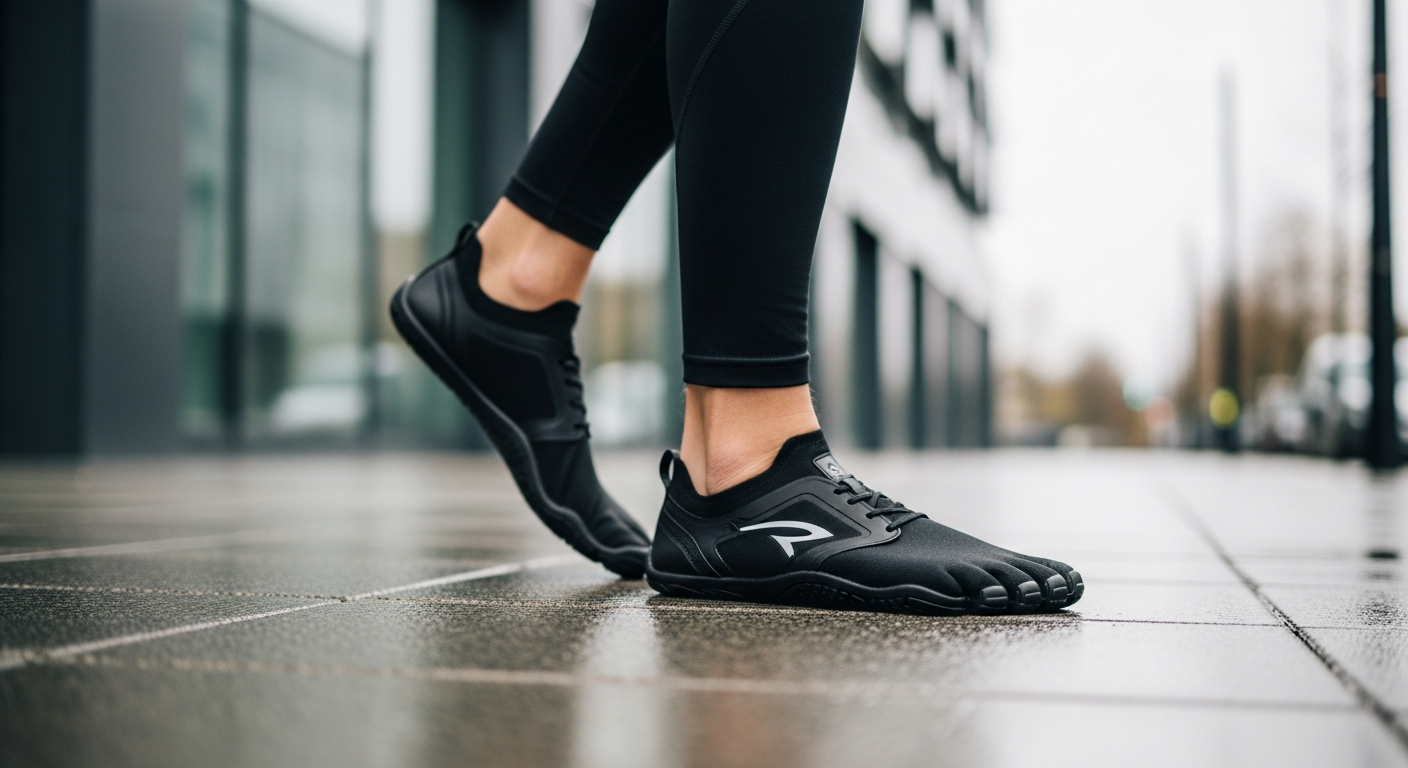
For city walking and commuting in 2026, the top barefoot shoes balance flexibility, ground feel, and a touch of urban-appropriate style. Our top picks include:
- Best Overall for Versatility: Xero Shoes HFS II
- Best for Beginners/Transitioning: Topo ST-5 (minimalist, not true barefoot, but excellent transition)
- Best for Style & Business Casual: Tolos Soleil (barefoot or transition versions)
- Best Budget-Friendly Option: WHITIN Barefoot Sneakers
- Best for Active Commuters: Vivobarefoot Primus Lite Knit
Why Choose Barefoot Shoes for City Walking and Commuting?
The average conventional running shoe has a heel stack height of 34.8 mm, while sneakers average 30.7 mm. These elevated, cushioned soles, combined with narrow toe boxes, restrict your foot's natural mechanics. Barefoot shoes, in contrast, feature a 0 mm heel-to-toe drop and stack heights typically under 10-12 mm, promoting a more natural stride and strengthening the 29 separate muscles in your foot and ankle.
Walking on concrete in traditional shoes can lead to a heel-strike gait, sending shockwaves up your kinetic chain. Barefoot shoes encourage a midfoot or forefoot strike, distributing impact more naturally and engaging your foot's intrinsic muscles. This can lead to improved balance, stronger feet, and potentially less pain over time, especially for those suffering from conditions like bunions or plantar fasciitis.
The Concrete Conundrum: Adapting to Urban Surfaces
City walking means constant interaction with hard, unforgiving concrete. This surface is drastically different from the natural terrains our feet evolved to navigate. The key to successful barefoot city walking isn't just about the shoes; it's about a mindful transition and understanding your body.
How to Transition Safely to Barefoot Shoes for City Walking
A safe transition to daily barefoot shoe use typically takes anywhere from a few months to a year. Rushing it can lead to injury, as a 2013 study by Ridge et al. found 10 out of 19 minimalist shoe transistioners developed bone marrow edema. Start slowly:
- Begin with short walks: Wear your barefoot shoes for just 30-60 minutes a day initially.
- Alternate with traditional shoes: Don't switch cold turkey. Gradually increase your barefoot shoe wear time.
- Strengthen your feet: Incorporate foot and calf strengthening exercises.
- Consider 'Transition' Barefoot Shoes: Brands like Lems or the 'transition' version of the Tolos Soleil offer a slightly thicker sole (e.g., Tolos Soleil transition version has a 13 mm stack height) for added impact absorption during the initial phase.
Urban Hazards: Puncture Resistance and Traction on City Pavement
A common concern with ultra-thin soles is protection against urban debris like broken glass, sharp stones, or rusty nails. While true barefoot shoes prioritize ground feel, many modern designs incorporate durable, abrasion-resistant rubber outsoles. For instance, the Vivobarefoot Primus Lite Knit showed only a 0.9 mm dent in a Dremel abrasion test, indicating strong resistance. While no shoe is completely puncture-proof, reputable brands use high-density rubber compounds designed to withstand typical urban wear and tear. For specific concerns, look for models that explicitly mention enhanced outsole durability or even a thin, flexible puncture-resistant layer.
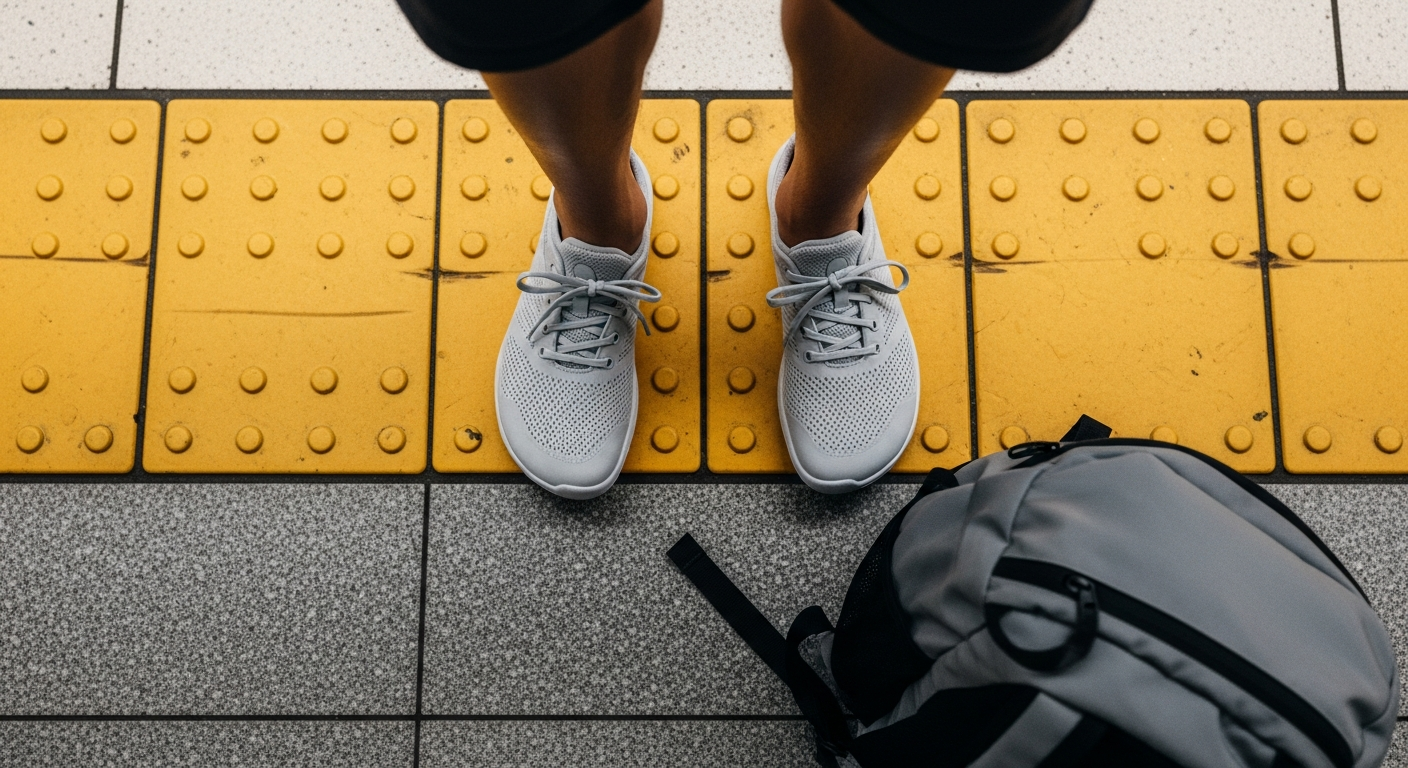
When it comes to icy sidewalks and slippery grates, traction is paramount. Many barefoot shoes, especially those designed for light trail use, feature multi-directional lug patterns that offer surprising grip on wet or uneven surfaces. However, for extreme black ice conditions, no minimalist sole can replace dedicated winter boots with specialized ice-gripping technology. For most urban winter conditions, look for shoes with a textured, non-slip rubber outsole and consider merino wool socks for warmth, as barefoot shoes inherently offer less insulation from cold concrete.
The Impact of Commuting Loads in Barefoot Shoes
Commuting often involves carrying bags, laptops, and other essentials, adding significant, sometimes asymmetrical, weight. This extra load can alter your gait and increase stress on your feet and lower limbs, especially on hard concrete. In traditional shoes, cushioning might mask this impact, but in barefoot shoes, you'll feel it more directly.
When carrying a 15-pound laptop bag, for example, your body's proprioception (awareness of its position) becomes even more critical. Barefoot shoes enhance this, allowing your feet to better sense and adapt to the ground, potentially distributing the load more effectively. However, it's crucial to:
- Maintain good posture: Engage your core to support the load.
- Distribute weight evenly: Opt for a backpack over a single-shoulder bag if possible.
- Listen to your body: If you experience increased fatigue or pain, reduce your load or consider a slightly more cushioned minimalist shoe for longer commutes.
Top Barefoot Shoes for City Walking and Commuting in 2026
Here's a breakdown of our top recommendations, considering style, performance, and specific urban needs:
1. Xero Shoes HFS II: Best Overall for Versatility
The Xero Shoes HFS II is a perennial favorite for a reason. It's lightweight, flexible, and stylish enough for most casual city settings. It's an excellent choice for daily walks, quick runs, and general commuting.
- Price: Retails for $129.99. Often on sale for $79 to $104.
- Specs: Weighs 8.6 oz (244g). Stack height of 13.1/12.1 mm (1.0 mm drop). Toebox is 10.6% wider than average. Midsole is 62.6% more pliable than average. 5/5 breathability score.
- Pros: Extremely flexible, excellent ground feel, breathable, durable FeelTrue® sole.
- Cons: May not be formal enough for some workplaces.
- Fit/Sizing: True to size for most. Accommodates medium to wide feet with a natural foot shape. Allow a thumb's width at the toe.
- Why We Love It: Its balance of comfort, performance, and understated style makes it a go-to for almost any urban activity.
2. Topo ST-5: Best for Beginners and Transitioning
While not a 'true' barefoot shoe (its stack height is slightly above the typical 10-12mm), the Topo ST-5 is an outstanding choice for those transitioning from traditional shoes. It offers a wide toe box and zero-drop platform with a touch more cushioning than pure barefoot options.
- Price: Retails for $115, often on sale between $72 and $108.
- Specs: Weighs 6.8 oz (193g). Stack height of 13.7/13.9 mm (-0.2 mm drop). Toebox is 79.0 mm wide (7.9% above average). Scored 1/5 in torsional rigidity, 74.5% more bendable than average.
- Pros: Excellent for cushioning the impact of concrete during transition, very flexible, wide toe box.
- Cons: Not a 'pure' barefoot experience due to slightly higher stack.
- Fit/Sizing: Runs true to size. Great for medium to wide feet, especially those needing extra toe splay.
- Why We Love It: It bridges the gap between traditional and barefoot, making the transition to minimalist footwear on hard city surfaces much smoother.
3. Tolos Soleil: Best for Style & Business Casual
The Tolos Soleil offers a sophisticated aesthetic that proves barefoot shoes can be stylish. Available in both a 'barefoot' and 'transition' version, it caters to different preferences for ground feel and cushioning.
- Price: $115.
- Specs: 'Barefoot' version: 7 mm stack height, 10.10 oz. 'Transition' version: 13 mm stack height, 12.25 oz.
- Pros: Elegant design, versatile for business casual settings, choice of stack height.
- Cons: Higher price point.
- Fit/Sizing: Generally true to size. Good for average to slightly wide feet.
- Why We Love It: Finally, a barefoot shoe that doesn't compromise on style, allowing you to maintain foot health even in more formal urban environments.
4. WHITIN Barefoot Sneakers: Best Budget-Friendly Option
For those new to barefoot shoes or on a tighter budget, WHITIN offers an accessible entry point without sacrificing core minimalist principles.
- Price: Retails for $49.99, often found for as low as $41.99.
- Specs: Weighs 9.6 oz. Zero-drop, wide toe box.
- Pros: Very affordable, good introduction to barefoot principles, available on Amazon.
- Cons: Less premium materials, durability may not match higher-end brands for intense use.
- Fit/Sizing: Can vary; some users size down. Check reviews for specific models.
- Why We Love It: An excellent, low-risk way to try barefoot shoes for city walking without a significant investment.
5. Vivobarefoot Primus Lite Knit: Best for Active Commuters
For the commuter who integrates running or gym sessions into their day, the Vivobarefoot Primus Lite Knit offers exceptional flexibility and ground feel. It's a true minimalist powerhouse.
- Price: Retails for $170, with sale prices ranging from $85 to $111.
- Specs: Weighs 8.3 oz (235g). 8.5 mm stack height (0 drop). 0.9 mm dent in Dremel abrasion test. 81.8 mm heel width. Shock absorption score of 17 SA (78.5% stronger ground connection than average). 75.7% more flexible than average.
- Pros: Extremely flexible, excellent ground feel, durable outsole, breathable knit upper.
- Cons: Higher price point, very minimal cushioning might require a longer transition.
- Fit/Sizing: True to size. Best for medium to wide feet.
- Why We Love It: Its performance-oriented design makes it ideal for those who want to feel truly connected to the ground during their active city commute.
Barefoot Shoes for Strict Corporate Dress Codes
This is a common dilemma for city professionals. While the Tolos Soleil offers a stylish business-casual option, truly formal barefoot dress shoes suitable for a strict corporate suit are still a niche market in 2026. Most barefoot brands focus on casual, athletic, or smart-casual aesthetics.
For very formal environments, the most practical solution is often to commute in comfortable, foot-healthy barefoot shoes (like a sleek leather sneaker or loafer from JOYO Barefoot's everyday casual collection) and change into traditional dress shoes at the office. However, some brands are emerging with minimalist dress shoe designs that mimic conventional styles but offer a wider toe box and zero drop. Look for brands like Ahinsa, Be Lenka, or Peerko, which offer dressier options that, while not identical to traditional formal shoes, can often pass in a less stringent corporate setting.
Winter Weather and Icy Sidewalks: Staying Warm and Safe
Want the Best Match for This Use Case?
Browse JOYO models curated for this category, then compare fit, outsole flexibility, and toe-box shape.
View Recommended CollectionWinter city commuting presents unique challenges for minimalist footwear. While waterproof trail runners like the Vivobarefoot Primus Trail Knit FG ($180) can handle slush, keeping feet warm in shoes with minimal insulation and close proximity to freezing concrete is a concern.
Here's how to tackle winter in barefoot shoes:
- Warm Socks: Merino wool socks are your best friend. They provide excellent insulation even when damp.
- Waterproof Uppers: Look for shoes with waterproof or water-resistant uppers to keep slush out.
- Grip-Focused Outsoles: Prioritize shoes with aggressive, multi-directional lug patterns for better traction on snow and wet surfaces. While no barefoot sole can guarantee safety on black ice, better grip is always advantageous.
- Consider Winter-Specific Barefoot Boots: Brands like Mukishoes or Vivobarefoot offer insulated, water-resistant barefoot boots designed for colder climates, providing more warmth and protection than sneakers.
The Long-Term Viability of 'Concrete-Only' Walking
Can the human foot safely adapt to walking exclusively on concrete for miles every single day, over the span of years, in true zero-cushion shoes? This is a critical, often unaddressed question for urban barefoot enthusiasts.
While the human foot is incredibly adaptable, concrete is an unnatural surface. Studies like Xu et al. (2025) suggest running barefoot or in minimalist shoes is more energy-efficient, implying a natural gait. However, the long-term impact of exclusively concrete walking in ultra-minimal shoes is still being researched. Some users report excellent adaptation over years, while others experience pain if they don't incorporate other surfaces or slightly thicker minimalist options.
The consensus among foot health experts is that a balanced approach is best. If your daily commute involves significant concrete mileage, consider:
- Hybrid Approach: Alternate between true zero-cushion shoes and slightly more cushioned minimalist options (like the Topo ST-5 or the 'transition' Tolos Soleil) to give your feet a break.
- Foot Strengthening: Consistent foot and calf strengthening exercises are non-negotiable.
- Listen to Your Body: Persistent pain is a sign to re-evaluate your footwear or transition strategy.
Ultimately, while the foot can adapt, a lifetime of concrete-only walking in the thinnest of soles might necessitate more diligent foot care and a willingness to vary footwear based on your body's feedback.
Barefoot Shoe Comparison Table
| Shoe Model | Price Range | Stack Height (mm) | Weight (oz) | Key Feature |
|---|---|---|---|---|
| Xero Shoes HFS II | $79 - $129.99 | 13.1/12.1 | 8.6 | Versatile, breathable, durable |
| Merrell Vapor Glove 6 | $71 - $90 | 7.6 | 5.6 | Ultra-light, flexible, strong ground feel |
| Topo ST-5 | $72 - $115 | 13.7/13.9 | 6.8 | Transition-friendly, wide toe box |
| Vivobarefoot Primus Lite Knit | $85 - $170 | 8.5 | 8.3 | Active commuter, highly flexible |
| Tolos Soleil (Barefoot) | $115 | 7 | 10.10 | Stylish, business casual |
| WHITIN Barefoot Sneakers | $41.99 - $49.99 | Minimal | 9.6 | Budget-friendly, entry-level |
Foot Health Conditions and Barefoot Shoes
Barefoot shoes can be beneficial for various foot conditions, but careful consideration and a slow transition are crucial.
Bunions
Barefoot shoes, with their wide toe boxes, allow your toes to splay naturally, which can alleviate pressure on bunions. This contrasts sharply with conventional shoes that often force the big toe inward. Farzadi et al. (2015) suggested that medial arch support orthoses can reduce stress on painful bunion areas, indicating that while barefoot shoes provide space, some individuals may still benefit from targeted support during transition.
Flat Feet
For many with flat feet, barefoot shoes can help strengthen the arch muscles, potentially improving foot structure over time. By removing artificial arch support, the foot is encouraged to work as nature intended. However, individuals with severe structural flat feet may need a longer transition period and potentially professional guidance.
Plantar Fasciitis
This condition is complex. Some find relief in barefoot shoes by promoting a more natural gait and strengthening the foot's intrinsic muscles. Others find the lack of cushioning aggravates their pain, especially during the transition phase. Schuitema et al. (2019) concluded that combining treatments (like insoles with rocker shoes) leads to greater pain relief than isolated treatments. If you have plantar fasciitis, focus on calf-strengthening exercises, a very gradual transition, and potentially a slightly more cushioned minimalist shoe initially.
Practical Tips for City Barefooters
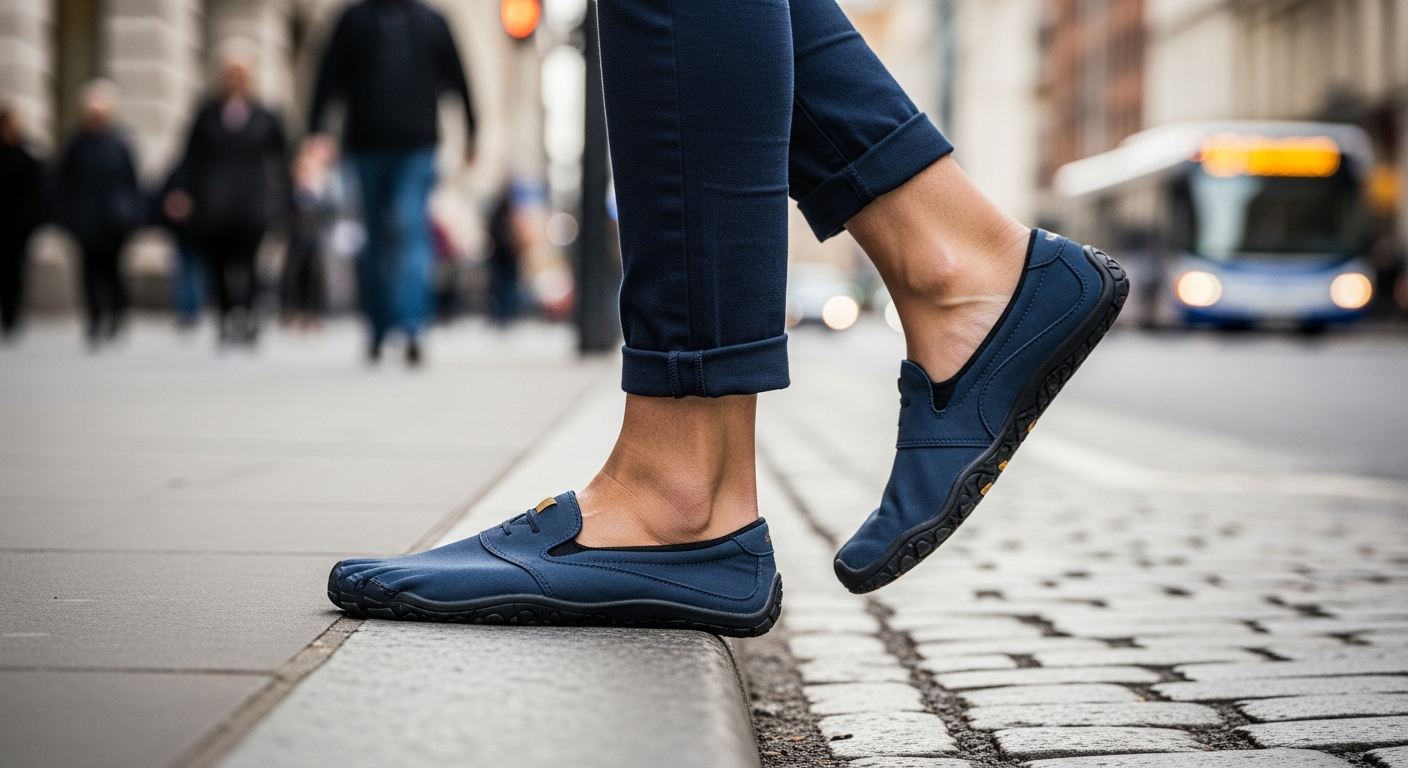
- Sizing Matters: Always aim for a "thumb's width" of space at the end of the toe box to allow for natural foot expansion. JOYO Barefoot provides detailed sizing guides for all our collections.
- Sock Choice: Thin, moisture-wicking socks (like merino wool) can enhance comfort and prevent blisters without compromising ground feel.
- Foot Care Routine: Regularly stretch your feet and calves, and consider using a foot roller to maintain flexibility and muscle health.
- Alternate Surfaces: Whenever possible, walk on softer surfaces like grass or dirt to give your feet a break from concrete.
Before You Buy, Get the Fit Right
Use JOYO's size guide and then continue to the store for your exact barefoot profile.
Open Size Guide Continue to ShopFrequently Asked Questions About Barefoot Shoes for City Walking
Are barefoot shoes safe for walking on concrete all day?
Barefoot shoes can be safe for walking on concrete all day, but it requires a careful, gradual transition and strong, well-conditioned feet. The human foot is adaptable, but concrete is an unforgiving surface. Many experts recommend alternating between true minimalist shoes and slightly more cushioned minimalist options, especially for long commutes or if you're new to barefoot footwear. Consistent foot strengthening exercises are also crucial for long-term comfort and injury prevention.
How long does it take to get used to barefoot shoes for city walking?
Getting used to barefoot shoes for city walking can take anywhere from a few months to a year. The transition period depends on your current foot strength, how much time you spend in traditional shoes, and the intensity of your city walking. Start with short durations (30-60 minutes) and gradually increase wear time, listening carefully to your body for any signs of discomfort or pain.
Do barefoot shoes help with foot pain from city walking?
Barefoot shoes can often help with foot pain from city walking by promoting a more natural gait, strengthening foot muscles, and allowing toes to splay freely. This can alleviate issues like bunions, plantar fasciitis, and general foot fatigue caused by restrictive, cushioned traditional shoes. However, for existing conditions, a slow transition and potentially consulting a podiatrist are recommended to ensure they are the right solution for you.
What's the best way to clean city dirt off barefoot shoes?
The best way to clean city dirt off barefoot shoes depends on the material. For most synthetic or knit uppers (like the Vivobarefoot Primus Lite Knit), a gentle brush with mild soap and water is effective. For leather shoes (like the Tolos Soleil), use a damp cloth and a specialized leather cleaner, followed by conditioning. Always check the manufacturer's specific cleaning instructions to preserve the shoe's integrity.
Are there any discounts available for barefoot shoes?
Yes, many barefoot shoe brands offer discounts. For example, Anya's Reviews offers 15% off Wyde Footwear and Vivobarefoot, and 10% off brands like Bohempia, Splay, Peerko, and Tolos. JOYO Barefoot also frequently runs promotions and offers exclusive discounts to our newsletter subscribers. Be sure to sign up on joyobarefoot.com to stay informed about our latest deals and foot health insights.
Embrace Natural Movement for Your City Life with JOYO Barefoot
The urban landscape doesn't have to be a barrier to natural foot health. With the right knowledge and the best barefoot shoes for city walking and commuting, you can transform your daily routine into an opportunity to strengthen your feet, improve your posture, and move with greater freedom.
At JOYO Barefoot, we're passionate about empowering you to reconnect with your natural movement. Explore our diverse collections, from everyday casuals perfect for city strolls to performance-ready shoes for active commutes. Each pair is designed with our core principles of zero-drop, wide toe box, and ultimate flexibility. Visit joyobarefoot.com today and take the first step towards a healthier, happier stride in the city.