How to Choose Barefoot Shoe Size & Fit Correctly: A 2026 Guide
Are you ready to unlock your feet's natural potential but feel overwhelmed by sizing and fit in the world of barefoot shoes? You're not alone. Transitioning to minimalist footwear is a journey, and the right fit is the most critical step for comfort, injury prevention, and maximizing the benefits of natural movement. In 2026, with more brands and styles than ever, understanding the nuances of barefoot shoe sizing is more important than ever.
Find Your First Pair of Barefoot Shoes
Explore JOYO Barefoot collections designed for natural foot movement and all-day comfort.
Shop All Barefoot ShoesAt JOYO Barefoot, we believe your shoes should feel like an extension of your body, not a restrictive cage. This expert guide will cut through the confusion, providing you with actionable strategies and insights to confidently choose the perfect barefoot shoe size and fit, ensuring your transition is smooth and rewarding.
Quick Answer: How Do I Choose My Barefoot Shoe Size?
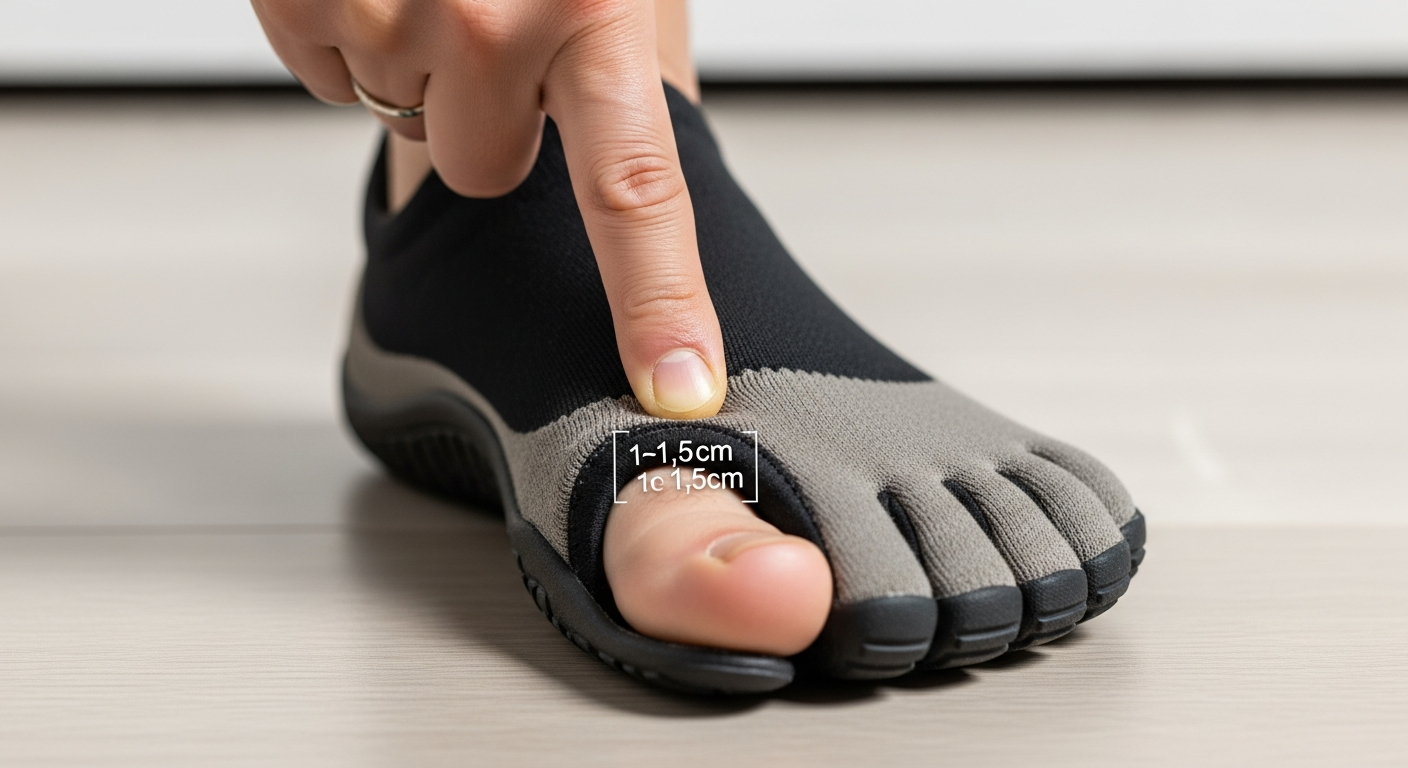
Choosing your barefoot shoe size involves measuring your feet accurately, understanding the specific brand's sizing chart, and prioritizing internal length and width over traditional shoe sizes. Always measure both feet, account for a 1-1.5 cm toe-wiggle space, and ensure the shoe's widest part aligns with your foot's widest part. Pay close attention to the shoe's shape matching your foot's natural splay, especially around the toes. Don't rely solely on your conventional shoe size, as barefoot sizing often differs significantly.
Why Is Barefoot Shoe Fit So Different from Traditional Shoes?
Traditional shoes often compress your toes, elevate your heel, and provide excessive arch support, all of which can hinder natural foot function. Barefoot shoes, by contrast, are designed to mimic being barefoot. This means they feature a zero-drop sole, a wide toe box, and maximum flexibility. Consequently, the fit philosophy shifts dramatically.
The goal is not to 'support' your foot but to allow it to move, splay, and strengthen naturally. This requires ample space, particularly in the toe box, and a secure, non-restrictive fit through the midfoot. Understanding this fundamental difference is the first step to mastering barefoot shoe sizing.
The Core Principles of Barefoot Shoe Fit:
- Zero Drop: No height difference between the heel and forefoot, promoting natural posture.
- Wide Toe Box: Allows toes to splay naturally, crucial for balance and propulsion.
- Flexibility: The sole should bend and twist easily, allowing the foot to adapt to terrain.
- Thin Sole: Provides ground feel, enhancing proprioception.
- No Arch Support: Encourages your foot's intrinsic muscles to strengthen.
Measure first, then shop
Barefoot fit depends on foot length, width, and toe splay. Measure both feet before choosing your JOYO size.
The Ultimate Guide to Measuring Your Feet for Barefoot Shoes in 2026
Forget what you think you know about shoe sizes. For barefoot shoes, precise foot measurements are your best friend. This method is far more reliable than simply trying on shoes or converting your conventional size.
What You'll Need:
- A piece of paper larger than your foot
- A pen or pencil
- A ruler or measuring tape
- A wall or straight edge
- Socks you typically wear with your shoes (if any)
Step-by-Step Foot Measurement Process:
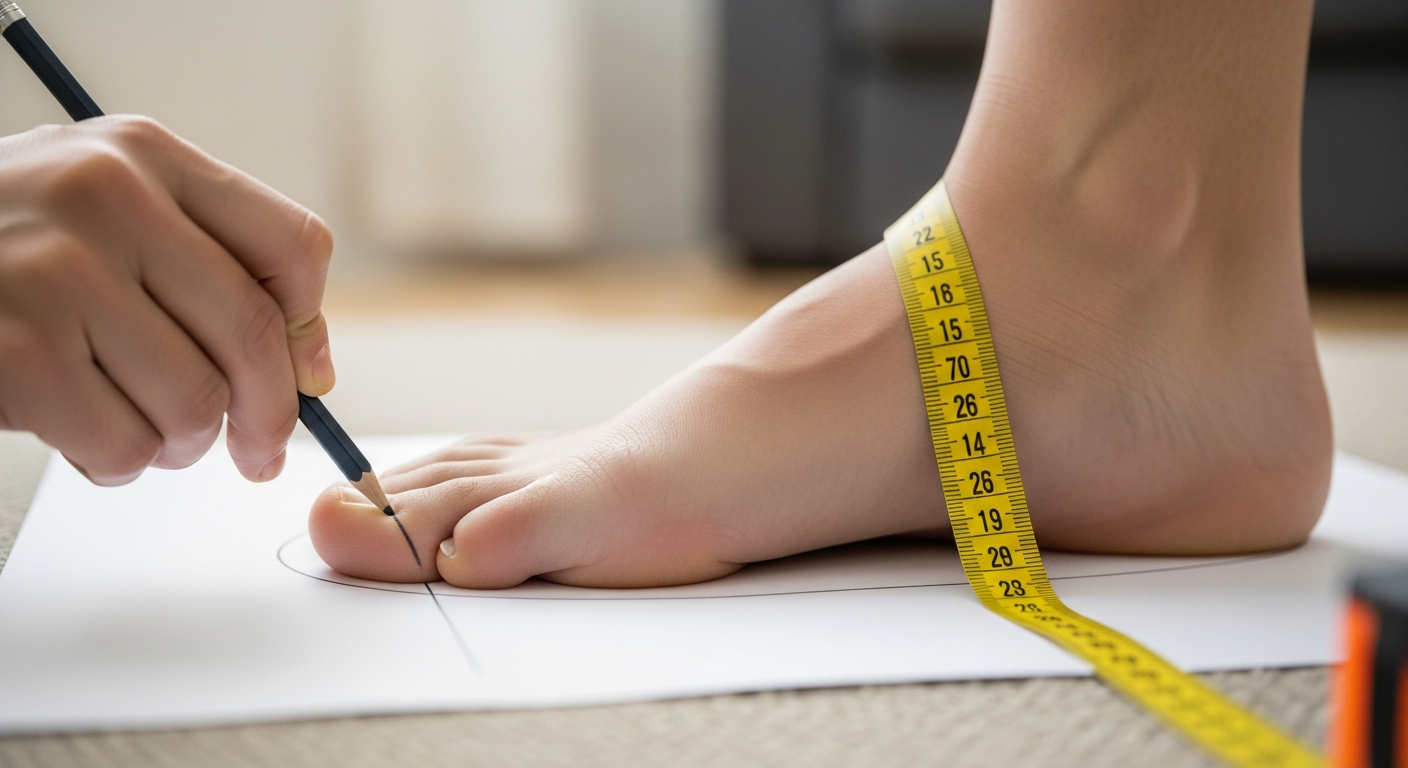
- Prepare Your Foot: Stand upright on the paper, with your heel lightly touching a wall. Ensure your weight is evenly distributed, as this causes your foot to naturally splay.
- Trace Your Foot: Carefully trace the outline of your foot with the pen held perpendicular to the paper. Make sure to capture the widest points and the longest toe. Don't lift your foot.
- Measure Length: Measure the distance from the heel line to the tip of your longest toe. This is your foot's maximum length.
- Measure Width: Measure the distance across the widest part of your foot.
- Repeat for Both Feet: Crucially, measure both feet. It's common for one foot to be slightly larger than the other. Always size according to your larger foot.
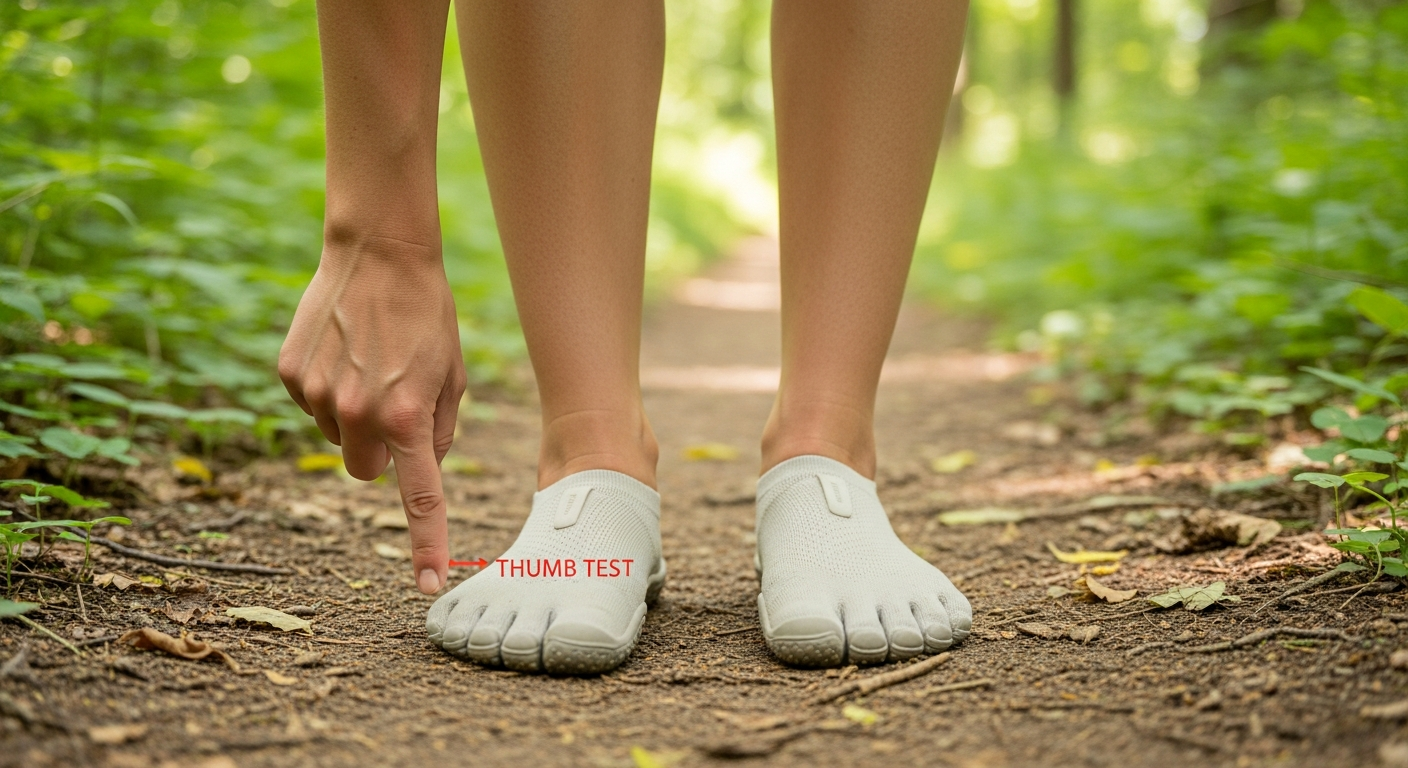
- Add Wiggle Room: For barefoot shoes, you need 1.0-1.5 cm (approximately 0.4-0.6 inches) of extra space in front of your longest toe. This allows for natural toe splay during movement and prevents your toes from bumping the front of the shoe.
Example: If your longest foot measures 26.0 cm, you'll be looking for a shoe with an internal length of approximately 27.0-27.5 cm.
Decoding Barefoot Shoe Sizing Charts: More Than Just a Number
Once you have your precise foot measurements, it's time to consult the brand's sizing chart. This is where many people go wrong, assuming all brands use the same standards. They don't.
JOYO Barefoot, like many reputable minimalist brands, provides detailed sizing charts that include the internal length and width of the shoe. These are the numbers you should prioritize, not the EU, US, or UK size conversions.
Key Considerations for Sizing Charts:
- Internal Length (Insole Length): Match your measured foot length plus wiggle room to this number.
- Internal Width: Ensure your foot's widest part fits comfortably within the shoe's widest part, allowing for natural splay.
- Foot Shape Compatibility: Some brands design shoes with a more tapered toe box, while others offer a more 'foot-shaped' or 'fan-shaped' toe box. Understand your foot shape (e.g., Egyptian, Greek, Roman) and look for shoes that accommodate it. JOYO Barefoot designs prioritize a generous, anatomical toe box for universal comfort.
- Material Stretch: Consider the material. Leather may stretch slightly over time, while synthetic materials are less likely to.
Pro Tip: Don't hesitate to contact JOYO Barefoot customer service if you're between sizes or have unique foot characteristics. Our team is trained to help you find the perfect fit.
The Importance of Toe Splay: Your Feet's Natural Superpower
Toe splay is the natural spreading of your toes when your foot bears weight. It's crucial for balance, stability, and efficient propulsion. Traditional shoes often prevent this, leading to bunions, hammertoes, and other foot issues. Barefoot shoes are designed to allow full toe splay, and the correct fit is paramount to achieving this.
When you try on barefoot shoes, you should be able to wiggle your toes freely. There should be no pressure on the sides of your pinky toe or big toe. If your toes feel cramped, the shoe is too narrow, regardless of the length.
Visualizing Toe Splay:
Imagine your foot as a tripod, with your heel, big toe, and pinky toe forming the three points of contact. For optimal stability, these points need to be able to spread out and engage with the ground. A shoe that restricts this fundamentally undermines the purpose of barefoot footwear.
Need more toe room?
If your toes touch the front or feel squeezed at the sides, compare JOYO models with a wider barefoot fit before ordering.
Common Barefoot Shoe Fit Mistakes to Avoid in 2026
Even with the best intentions, it's easy to make mistakes when choosing barefoot shoes. Here are the most common pitfalls and how to avoid them:
- Relying on Your Conventional Shoe Size: This is the biggest mistake. Barefoot shoes are sized differently. Always measure your feet and consult the brand's specific sizing chart.
- Not Enough Toe Wiggle Room: Underestimating the 1.0-1.5 cm extra space needed for toe splay. Your toes should never touch the front of the shoe, even when walking downhill.
- Too Much Wiggle Room: While space is good, excessive space can lead to tripping or an insecure fit, causing your foot to slide around.
- Ignoring Foot Width: Focusing solely on length and neglecting width. A shoe can be long enough but too narrow, still compressing your toes.
- Trying Shoes Only While Sitting: Your foot expands when weight-bearing. Always try on shoes while standing and walking around.
- Not Measuring Both Feet: Most people have one foot slightly larger than the other. Always size to the larger foot.
- Buying for Future Growth (Kids' Shoes): While tempting, buying shoes that are too big for children can hinder their natural gait and development. Aim for the recommended 1.0-1.2 cm growth room, not excessive space.
- Assuming All Barefoot Shoes Fit the Same: Just like conventional shoes, different barefoot brands and models have varying lasts (the foot-shaped mold they're built on). A JOYO Barefoot casual sneaker might fit differently than a JOYO Barefoot hiking boot, even in the same size.
Between two sizes?
Choose the size that lets your toes spread without heel slip. When in doubt, check the size guide before buying.
The Perfect Fit: What Does It Feel Like?
Want the Best Match for This Use Case?
Browse JOYO models curated for this category, then compare fit, outsole flexibility, and toe-box shape.
View Recommended CollectionWhen you put on a correctly sized and fitted pair of barefoot shoes, here's what you should experience:
- Ample Toe Space: You can wiggle all your toes freely, and they don't feel squished or confined. There's a noticeable gap between your longest toe and the end of the shoe.
- Secure Midfoot: The shoe feels snug around your midfoot and heel, preventing your foot from sliding forward or backward. Laces or straps should allow for adjustment.
- No Pressure Points: There's no rubbing, pinching, or uncomfortable pressure anywhere on your foot.
- Ground Feel: You can feel the texture of the ground beneath you, but without discomfort from sharp objects.
- Flexibility: The shoe bends easily with your foot's natural movement.
- Lightweight: You should barely notice the shoe on your foot.
Pick fit by use case
Urban walking, trail, water, and kids shoes can fit slightly differently. Compare the JOYO collection that matches your actual use.
Specific Fit Considerations for JOYO Barefoot Collections
At JOYO Barefoot, we design our shoes with specific activities and foot types in mind, while always adhering to the core principles of barefoot design. Here's how to think about fit across our popular collections:
JOYO Barefoot Everyday Casual:
- Fit Focus: Maximum comfort for daily wear, generous toe box.
- Recommendation: Our casual sneakers and ballet flats (for women) are designed to accommodate a wide range of foot shapes. Ensure you have that 1.0-1.5 cm toe space. For those with higher volume feet, our lace-up options like the 'Urban Explorer' offer adjustability.
- Price Range: Expect to find these in the $110-160 USD range.
JOYO Barefoot Running:
- Fit Focus: Secure midfoot to prevent slippage during dynamic movement, while maintaining full toe splay.
- Recommendation: For our 'Stride' and 'Flow' running models, a snug midfoot is crucial. You might opt for the lower end of the 1.0-1.5 cm toe space to minimize excess movement during sprints or trail runs. Ensure laces are secure but not overly tight.
- Price Range: Typically $130-190 USD.
JOYO Barefoot Hiking:
- Fit Focus: Robust protection, secure ankle/midfoot, and ample toe room for downhill descents.
- Recommendation: Our 'Trailblazer' hiking boots require careful attention. When going downhill, your foot naturally slides forward slightly. The 1.5 cm toe space is particularly important here to prevent toe banging. Consider the socks you'll wear for hiking when measuring.
- Price Range: Our hiking collection usually ranges from $160-220 USD.
JOYO Barefoot Kids:
- Fit Focus: Crucial for healthy foot development, allowing natural growth and movement.
- Recommendation: For our 'Little Explorers' and 'Playful Paces' kids' shoes, aim for 1.0-1.2 cm of growth room. Too much space can cause tripping, while too little restricts growth. Measure frequently as children's feet grow quickly.
- Price Range: Kids' shoes are typically $70-120 USD.
JOYO Barefoot Sandals:
- Fit Focus: The footbed should match your foot's outline precisely, with no overhang.
- Recommendation: For our 'Freedom' and 'Horizon' sandals, the length and width of the footbed are critical. Your toes and heel should sit entirely within the sandal's perimeter. Straps should be adjustable for a secure fit without digging in.
- Price Range: Sandals range from $80-140 USD.
The Role of Socks and Insoles in Barefoot Shoe Fit
While many barefoot enthusiasts prefer going sockless, socks can impact fit. If you plan to wear socks, measure your feet while wearing them. Thicker socks will take up more internal volume, potentially requiring a slightly larger shoe size, especially in width.
Most barefoot shoes come with a thin, removable insole. This can be useful for minor fit adjustments or if you're transitioning and want a tiny bit more cushioning initially. Removing the insole can provide a few extra millimeters of internal space, which can be helpful if a shoe feels slightly snug.
When to Consult a Barefoot Foot Health Professional
If you have specific foot conditions, such as bunions, hammertoes, or severe pronation, or if you're experiencing persistent discomfort even after trying different sizes, it's wise to consult a podiatrist or a foot health specialist knowledgeable in minimalist footwear. They can provide personalized advice and help you navigate the transition safely.
Conclusion: Embrace Your Natural Foot Movement with the Right Fit
Choosing the correct barefoot shoe size and fit is not just about comfort; it's about empowering your feet to move as nature intended. By meticulously measuring your feet, understanding brand-specific sizing charts, and prioritizing toe splay and natural foot shape, you can confidently select shoes that support your journey to stronger, healthier feet.
Remember, the perfect barefoot shoe should feel like it disappears on your foot, allowing you to connect with the ground and move freely. At JOYO Barefoot, we are committed to providing you with expertly crafted footwear that meets these standards. Explore our collections today and experience the joy of natural movement.
Before You Buy, Get the Fit Right
Use JOYO's size guide and then continue to the store for your exact barefoot profile.
Open Size Guide Continue to ShopReady to choose your pair?
Use your measurements, leave room for toe splay, then choose the JOYO model that matches your terrain and daily routine.
Frequently Asked Questions About Barefoot Shoe Sizing and Fit
Q: Can I just go by my regular shoe size when buying barefoot shoes?
A: No, you cannot reliably go by your regular shoe size. Barefoot shoe sizing differs significantly from conventional footwear. Always measure your feet and consult the specific brand's internal sizing chart for the most accurate fit.
Q: How much space should I leave in front of my toes in barefoot shoes?
A: You should aim for 1.0-1.5 cm (approximately 0.4-0.6 inches) of space in front of your longest toe. This allows for natural toe splay and prevents your toes from hitting the front of the shoe during movement.
Q: What if one of my feet is larger than the other?
A: Always size your barefoot shoes to your larger foot. If you size to the smaller foot, the larger foot will be uncomfortably cramped, defeating the purpose of barefoot footwear.
Q: My new barefoot shoes feel a bit stiff. Will they break in?
A: While barefoot shoes are generally flexible, some materials, especially certain leathers, may soften slightly with wear. However, a properly fitted barefoot shoe should feel comfortable and flexible from the start, particularly in the toe box. If they feel too stiff or restrictive, they might be the wrong fit or model for you.
Q: Should barefoot shoes feel tight around the arch?
A: Barefoot shoes should not feel tight around the arch. They are designed to allow your arch to function naturally without external support. The midfoot area should feel secure, but not restrictive or compressive.
Ready to find your perfect fit? Explore the full range of JOYO Barefoot shoes today and step into natural movement.
- Lieberman, D., et al. (2010). Foot strike patterns and collision forces in habitually barefoot versus shod runners. Nature.
- Anya's Reviews — definitive guide to barefoot shoes (regularly updated).
- Hollander, K., et al. (2017). Effects of Habitual Footwear Use on Foot Anatomy and Function. Frontiers in Pediatrics.