
Barefoot Shoes for Winter & Rain: What to Look For in 2026
Winter's chill and persistent rain shouldn't force you to compromise on natural foot movement. For years, the idea of 'barefoot' and 'winter' seemed contradictory, but in 2026, advancements in material science and design have made it not only possible but comfortable and stylish. If you're looking for barefoot shoes that can truly stand up to the elements, you need to know exactly what features matter most.
Find Your First Pair of Barefoot Shoes
Explore JOYO Barefoot collections designed for natural foot movement and all-day comfort.
Shop All Barefoot ShoesTraditional winter boots often come with restrictive toe boxes, elevated heels, and excessive arch support, all of which can hinder your foot's natural biomechanics. Barefoot shoes, by contrast, prioritize a wide toe box, zero-drop sole, and flexible construction. The challenge in colder, wetter climates is finding these core principles integrated with robust weather protection. This guide will cut through the marketing hype and show you what to prioritize when selecting your next pair.
Quick Answer: Barefoot Shoes for Winter and Rain
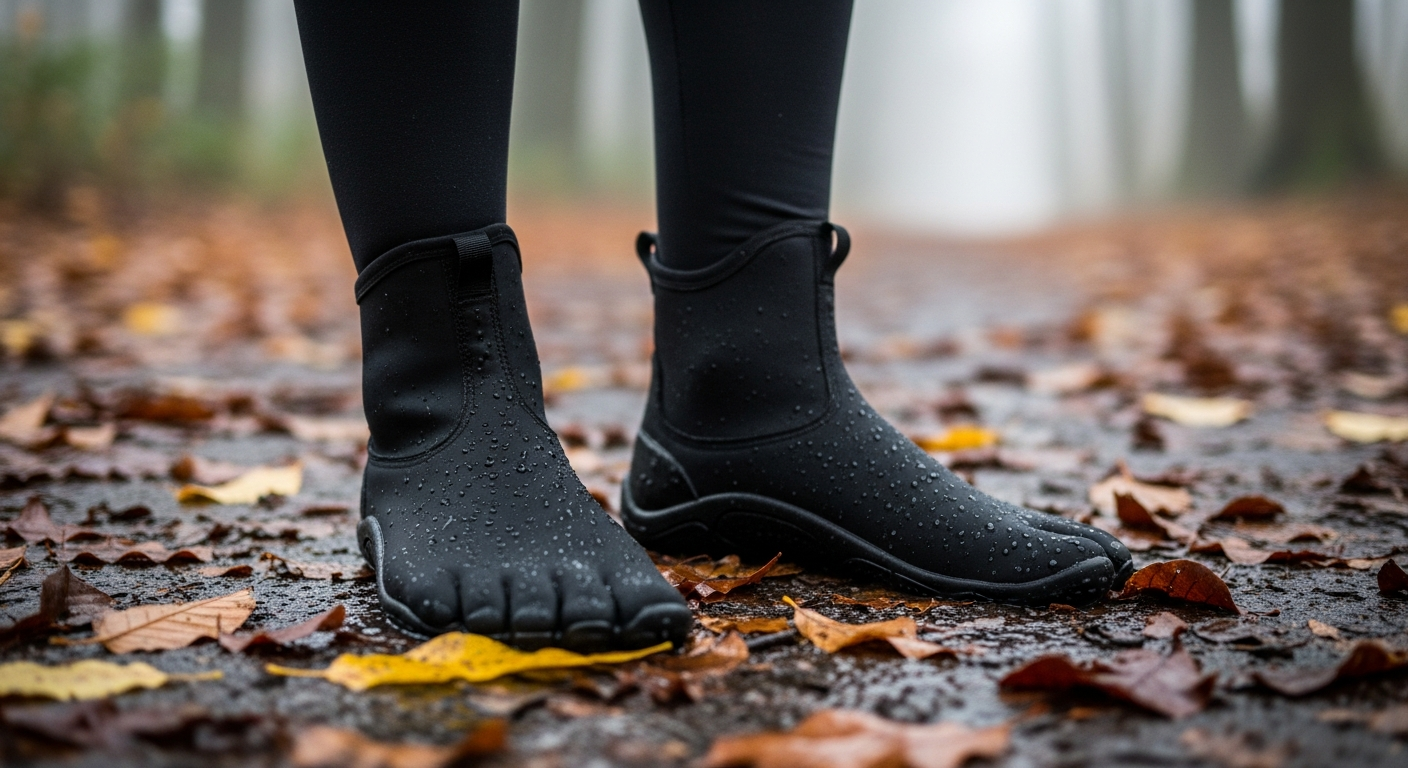
When choosing barefoot shoes for winter and rain, prioritize these key features: advanced waterproofing (e.g., eVent, Sympatex, or robust DWR-treated leathers), a thermal lining (wool or synthetic insulation), a flexible, grippy outsole with multi-directional lugs, and a generous, foot-shaped toe box. Look for materials that offer both protection and breathability to prevent sweat buildup. Consider mid-cut or boot styles for deeper snow or puddles, and always ensure a zero-drop, flexible sole for natural movement.
Why Barefoot Principles Matter Even in Harsh Weather
The core philosophy of barefoot footwear is to allow your feet to move, strengthen, and function as nature intended. This isn't just for warm, sunny days. In fact, maintaining natural foot mechanics in challenging conditions can be even more beneficial.
- Enhanced Proprioception: A thin, flexible sole allows your foot to feel the ground, improving balance and stability on slippery surfaces.
- Stronger Foot Muscles: Your feet work harder to adapt to uneven terrain, building strength and resilience against common winter slips and falls.
- Improved Circulation: Unrestricted toe splay and natural movement can contribute to better blood flow, helping to keep your feet warmer.
- Reduced Strain: Zero-drop and wide toe boxes eliminate the unnatural pressures caused by conventional footwear, reducing strain on joints and promoting better posture.
Ignoring these principles in winter can lead to discomfort, instability, and even long-term foot issues. JOYO Barefoot designs, for example, always maintain these foundational elements, ensuring your foot health isn't sacrificed for weather protection.
What Specific Features Should You Look For?
Navigating the market for weather-ready barefoot shoes requires a keen eye for detail. Here's a breakdown of the critical features:
1. Superior Waterproofing Technology: Beyond 'Water Resistant'
Don't be fooled by 'water resistant' labels for true winter and rain protection. You need genuine waterproofing. In 2026, the technology has advanced significantly.
- Membrane Technology: Look for shoes featuring advanced waterproof-breathable membranes like eVent, Sympatex, or Gore-Tex. These membranes have microscopic pores small enough to block water molecules but large enough to allow sweat vapor to escape, keeping your feet dry from both external moisture and internal perspiration.
- Taped Seams: A waterproof membrane is only as good as its weakest link. Ensure that all seams are taped or sealed to prevent water ingress.
- Durable Water Repellent (DWR) Coatings: While not a standalone waterproofing solution, a high-quality DWR treatment on the outer fabric or leather helps water bead up and roll off, preventing the material from soaking out and aiding the underlying membrane. Reapply DWR regularly for optimal performance.
- Hydrophobic Leathers: Some brands use specially treated leathers that are inherently water-repellent. These offer a more natural look and feel while providing excellent protection.
JOYO Barefoot Insight: Our upcoming 'Element' collection, launching late 2026, features a proprietary waterproof membrane and sealed seams, specifically designed for the Israeli winter, which often brings intense, short downpours.
2. Effective Thermal Insulation: Keeping Toes Toasty
Waterproof is one thing, but warmth is another. Good insulation is crucial for comfort in freezing temperatures.
- Natural Wool Linings: Merino wool is an excellent insulator. It's breathable, wicks moisture, regulates temperature, and retains warmth even when damp. It's also naturally odor-resistant.
- Synthetic Insulations: Materials like Thinsulate or PrimaLoft offer high warmth-to-weight ratios, are often more resistant to compression, and dry quickly. They are also a great vegan option.
- Removable Thermal Insoles: Many winter barefoot shoes include a removable thermal insole, often made of wool or a reflective material. These add an extra layer of insulation from the cold ground and can be replaced or removed as needed.
When assessing insulation, consider your activity level. If you're highly active, too much insulation can lead to overheating and sweat. For static activities, more insulation is better.
3. Outsole Design: Grip, Flexibility, and Durability
The sole is your connection to the ground, and in wet or icy conditions, its design is paramount.
- Aggressive Lug Pattern: Look for multi-directional lugs (tread patterns) that provide traction on various surfaces - wet pavement, mud, slush, and even light snow. Deeper, more widely spaced lugs are generally better for mud and snow.
- Rubber Compound: The type of rubber matters. Softer rubber compounds tend to offer better grip in cold, wet conditions but may wear faster. Brands often use proprietary compounds optimized for specific conditions.
- Flexibility: Crucially, the sole must remain flexible, even in cold temperatures. A stiff sole defeats the purpose of barefoot footwear. Test the shoe's flexibility by twisting and bending it.
- Stack Height: While barefoot shoes aim for minimal stack height, a slightly thicker sole (e.g., 6-9mm) can offer a bit more insulation from freezing ground without compromising ground feel significantly.
Comparison Table: Outsole Features for Winter/Rain
| Feature | Benefit for Winter/Rain | What to Look For |
|---|---|---|
| Lug Pattern | Prevents slips on wet/icy surfaces | Multi-directional, 3-5mm deep lugs |
| Rubber Compound | Maintains grip in cold temps | Proprietary winter-specific or softer compounds |
| Flexibility | Allows natural foot movement & ground feel | Easily bends and twists, even when cold |
| Stack Height | Insulation from cold ground | Minimal (6-9mm) for ground feel, slightly more for insulation |
4. Fit and Design: Wide Toe Box and Zero-Drop
These are non-negotiable for any barefoot shoe, regardless of season.
- Wide, Foot-Shaped Toe Box: Your toes must have ample room to splay naturally. This is even more important in winter, as constricted toes can lead to cold feet and discomfort.
- Zero-Drop (Flat) Sole: The heel and forefoot should be at the same height, promoting a natural posture and gait.
- Secure Fit: While the toe box is wide, the midfoot and heel should offer a secure, comfortable fit to prevent your foot from sliding around. Lacing systems should be robust and easy to adjust, even with gloves.
- Ankle Height: For deep puddles or snow, a mid-cut or boot style offers better protection than a low-cut shoe. Consider how high you need the waterproofing to extend.
JOYO Barefoot Recommendation: Our 'Trekker' hiking boots, while designed for trails, offer exceptional winter protection with their wide toe box, zero-drop sole, and robust waterproofing. They are a popular choice for urban winter walks as well.
5. Material Choices: Durability and Breathability
The outer materials play a significant role in weather protection and longevity.
- Leather: High-quality, treated leathers (e.g., nubuck, full-grain) can be incredibly durable and water-resistant, especially when combined with a waterproof membrane. They also age beautifully.
- Synthetic Fabrics: Advanced synthetic materials are often lighter, quicker drying, and can offer excellent abrasion resistance. Look for ripstop nylon or similar robust textiles.
- Vegan Options: Many brands now offer high-performance vegan alternatives using innovative synthetic leathers and fabrics that match or exceed traditional materials in terms of waterproofing and durability.
Common Misconceptions About Barefoot Winter Shoes
Let's debunk some common myths that might deter you from embracing barefoot footwear in colder, wetter months:
Myth 1: Barefoot Shoes Are Always Cold
Reality: While some minimalist shoes are uninsulated, many barefoot winter models incorporate advanced thermal linings like merino wool or synthetic insulation. Combined with proper sock choices (wool is best), they can be surprisingly warm. The unrestricted movement also promotes better circulation, which helps keep feet warmer than tightly constricted conventional boots.
Myth 2: You'll Slip Constantly on Ice and Snow
Reality: A well-designed barefoot winter shoe will have an outsole with an aggressive, multi-directional lug pattern specifically engineered for grip on slippery surfaces. The thin, flexible sole also enhances proprioception, meaning your foot can feel the ground better and react more quickly to maintain balance, potentially reducing slips compared to thick, stiff-soled boots.
Myth 3: Barefoot Shoes Can't Be Truly Waterproof
Reality: This was true years ago, but in 2026, many barefoot brands integrate high-performance waterproof-breathable membranes (like eVent or Sympatex) and fully taped seams. These technologies provide the same level of waterproofing found in premium conventional outdoor footwear, ensuring your feet stay dry in heavy rain and slush.
Myth 4: They Aren't Durable Enough for Winter Conditions
Reality: Modern barefoot winter shoes are built with robust materials like hydrophobic leather, durable synthetic fabrics, and strong rubber outsoles. They are designed to withstand the rigors of winter use, often with reinforced areas for added longevity. Just like any footwear, proper care and maintenance will extend their lifespan.
Practical Tips for Winter Barefoot Footwear
Want the Best Match for This Use Case?
Browse JOYO models curated for this category, then compare fit, outsole flexibility, and toe-box shape.
View Recommended CollectionBeyond choosing the right shoes, these tips will enhance your winter barefoot experience:
- Layer Your Socks: Just like clothing, layering socks can add warmth. Start with a thin merino wool liner sock and add a thicker wool sock over it. Wool wicks moisture and insulates even when damp.
- Consider Gaiters: For deep snow or heavy rain, gaiters can provide an extra layer of protection, preventing snow or water from entering over the top of your boots.
- Regular Cleaning and Maintenance: Clean off mud and salt regularly. Reapply DWR treatments to textile uppers as needed (typically every few months of heavy use). Condition leather to maintain its water resistance and flexibility.
- Allow Them to Dry Properly: If your shoes do get wet inside, remove the insoles and allow them to air dry completely in a well-ventilated area, away from direct heat sources.
- Listen to Your Feet: If you're new to barefoot shoes, especially in winter, start with shorter outings. Your feet need time to adapt to the increased sensory input and muscle engagement.
Recommended JOYO Barefoot Collections for Winter & Rain
At JOYO Barefoot, we understand the unique demands of winter and rain, especially in diverse climates like Israel's, which can range from mild, rainy winters to surprisingly cold mountain conditions. Our collections are designed with these challenges in mind, always prioritizing natural foot movement.
- JOYO Trekker Series: Our hiking boots are built for rugged terrain and challenging weather. They feature a robust, waterproof membrane, durable hydrophobic leather or advanced synthetic uppers, and an aggressive lug pattern on the outsole for superior grip. The wide toe box and zero-drop design ensure your feet remain comfortable and functional on long winter hikes or city commutes.
- JOYO Urban Explorer (Winter Edition): For those seeking stylish everyday wear without compromising on foot health, the Urban Explorer Winter Edition offers a sleek design with integrated thermal lining and water-resistant treated uppers. While not fully submersible like the Trekker, it handles rain and light snow with ease, perfect for daily urban life.
- JOYO Kids' All-Weather: We believe foot health starts young. Our kids' winter collection features flexible, waterproof boots with warm linings, ensuring little feet stay dry, warm, and free to develop naturally, no matter how many puddles they jump in.
We are continuously innovating. Keep an eye on our website, joyobarefoot.com, for new releases and seasonal updates, especially as our 'Element' collection, with its advanced waterproofing, approaches its late 2026 launch.
Conclusion: Embrace Winter with Natural Foot Movement
The days of sacrificing foot health for winter protection are long gone. In 2026, the market offers an impressive array of barefoot shoes specifically engineered for rain, snow, and cold. By focusing on genuine waterproofing, effective insulation, superior outsole grip, and maintaining the core barefoot principles of a wide toe box and zero-drop flexibility, you can confidently navigate the winter months.
Your feet are your foundation. Give them the freedom and protection they deserve, even when the weather turns. Explore the JOYO Barefoot collection today and step into winter with comfort, confidence, and natural movement.
Before You Buy, Get the Fit Right
Use JOYO's size guide and then continue to the store for your exact barefoot profile.
Open Size Guide Continue to ShopFAQ: Barefoot Shoes for Winter and Rain
Q: Are barefoot winter boots actually warm enough?
A: Yes, many barefoot winter boots are warm enough. They achieve this by incorporating high-quality thermal linings like merino wool or advanced synthetic insulation, often combined with a removable thermal insole. The wide toe box also allows for better circulation, which helps keep feet warmer than in restrictive conventional boots.
Q: Can I wear barefoot shoes in heavy snow or slush?
A: You can wear specially designed barefoot shoes in heavy snow or slush. Look for models with full waterproofing (e.g., a waterproof membrane and taped seams), a mid-cut or boot style for higher coverage, and an outsole with an aggressive lug pattern for traction. Proper sock layering and gaiters can also enhance protection.
Q: How do I choose the right size for winter barefoot shoes, especially with thick socks?
A: You should choose a size that allows ample room for your toes to splay, even with your preferred winter socks. It's often recommended to measure your feet while wearing the thickest socks you plan to use. Most barefoot brands provide detailed sizing charts, and some even suggest sizing up slightly for winter models if you're between sizes.
Q: Are vegan barefoot winter shoes as good as leather ones?
A: Yes, vegan barefoot winter shoes can be just as good as leather ones. Modern advancements in synthetic materials have led to high-performance vegan alternatives that offer excellent waterproofing, durability, and insulation. Many brands use innovative synthetic leathers and fabrics that are specifically engineered to withstand harsh winter conditions.
Q: How do I care for my barefoot winter and rain shoes to make them last?
A: You care for your barefoot winter and rain shoes by regularly cleaning off dirt, mud, and salt, especially after exposure to harsh conditions. For waterproof membranes, avoid harsh chemicals. If the shoe has a DWR coating, reapply it periodically. For leather shoes, condition them to maintain flexibility and water resistance. Always allow them to air dry completely if they get wet, away from direct heat.
- Lieberman, D., et al. (2010). Foot strike patterns and collision forces in habitually barefoot versus shod runners. Nature.
- Anya's Reviews — definitive guide to barefoot shoes (regularly updated).
- Hollander, K., et al. (2017). Effects of Habitual Footwear Use on Foot Anatomy and Function. Frontiers in Pediatrics.