Box Jump Shoes: Minimalist vs. Cushioned vs. Flat Explained
The Ultimate Guide to Box Jump Shoes: Minimalist vs. Cushioned vs. Flat for Optimal Performance
Are you staring at your shoe rack, wondering which pair will give you the edge, or perhaps prevent an injury, during your next box jump session? You're not alone. In the dynamic world of plyometrics, choosing the right footwear for box jumps is a critical decision that impacts everything from performance and stability to long-term foot health. The debate rages on: should you opt for the enhanced ground feel of minimalist shoes, the shock absorption of cushioned trainers, or the rock-solid stability of flat-soled gym shoes?
Find Your First Pair of Barefoot Shoes
Explore JOYO Barefoot collections designed for natural foot movement and all-day comfort.
Shop All Barefoot ShoesAs of early 2026, the science of biomechanics continues to shed light on how different footwear types interact with our natural movement patterns. This guide, drawing on the latest research and expert insights, will dissect each option, helping you make an informed choice tailored to your training goals and foot health needs. We'll cut through the marketing hype and focus on what truly matters for powerful, safe, and effective box jumps.
Quick Answer: Choosing Your Box Jump Footwear
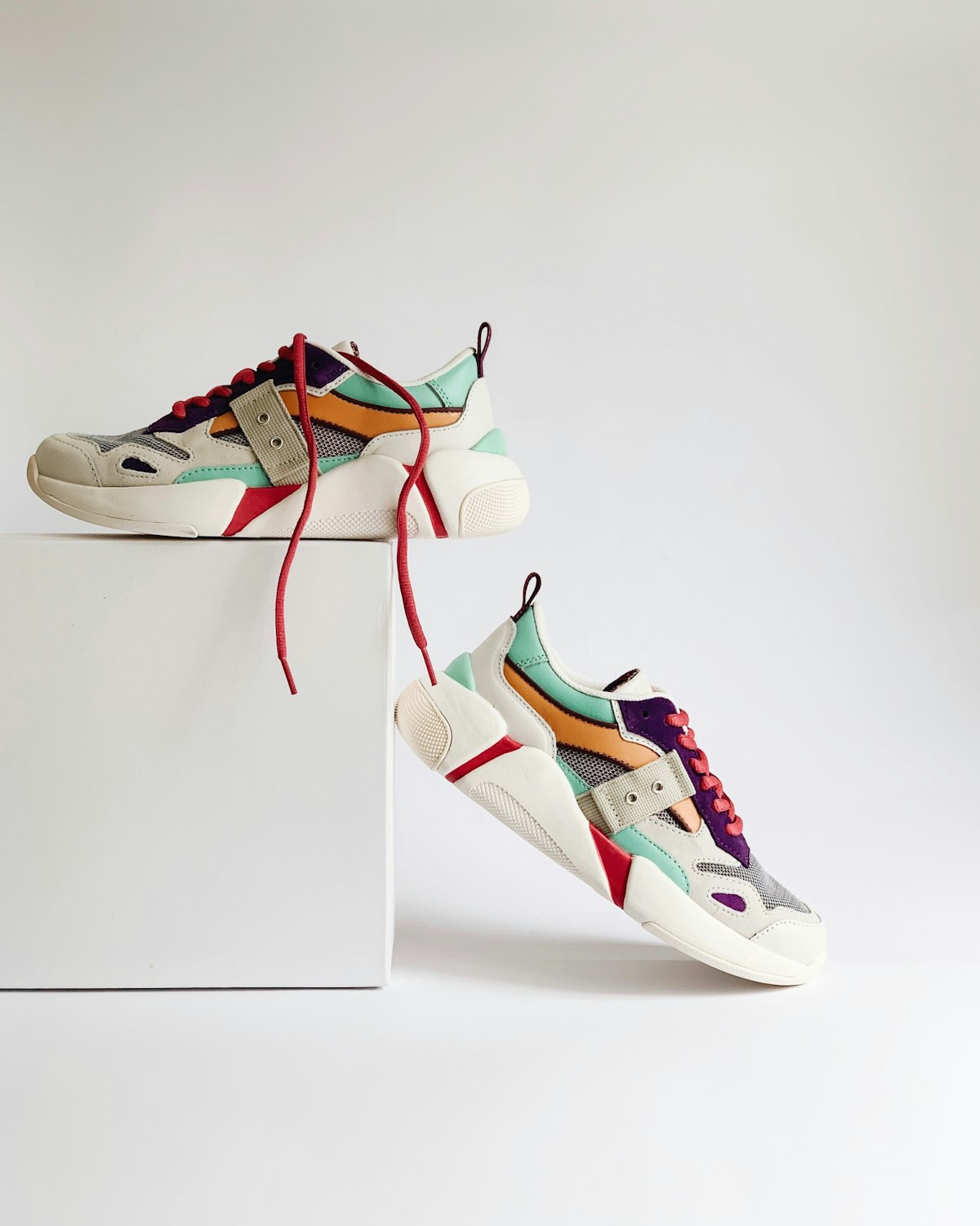
For box jumps, your ideal shoe choice hinges on your experience, foot strength, and training philosophy. Minimalist shoes offer superior ground feel, proprioception, and encourage natural foot mechanics, making them excellent for experienced users focused on foot strength and precise landings. Cushioned shoes provide impact absorption, which can be comfortable initially, but may compromise stability and ground feedback. Flat-soled shoes deliver exceptional stability and a firm base, ideal for general gym use and moderate box heights, bridging the gap between minimalist and traditional trainers without excessive cushioning.
What Exactly Are Box Jumps and Why Does Footwear Matter?
Box jumps are a powerful plyometric exercise designed to improve explosive power, speed, and agility. They involve jumping onto a raised platform, landing softly, and often stepping or jumping back down. This movement demands significant lower body strength, coordination, and precise landing mechanics.
The footwear you choose directly influences several key aspects of your box jump performance and safety:
- Stability: A stable base is paramount for a powerful takeoff and a secure landing, preventing wobbles or rolls.
- Ground Feel (Proprioception): The ability to sense the ground beneath your feet allows your brain to make rapid adjustments for balance and force production.
- Impact Absorption: While your body is the primary shock absorber, footwear plays a role in how impact forces are distributed.
- Grip: Essential for preventing slips on the box or gym floor, especially during dynamic movements.
- Flexibility: The shoe should allow your foot to move naturally through the jump and landing phases.
Deep Dive: Minimalist Shoes for Box Jumps - Unleash Your Natural Power
Minimalist shoes, often referred to as "barefoot shoes," are designed to mimic the experience of being barefoot while offering protection from the elements. They are characterized by a few key features:
- Zero-Drop (or "Zero-Heel-to-Toe Drop"): The heel and forefoot are at the same height, promoting a natural posture and even weight distribution.
- Wide Toe Box: Allows your toes to splay naturally, providing a stable base and engaging your intrinsic foot muscles.
- Flexible Sole: Enables the foot to bend, flex, and twist as nature intended, enhancing mobility.
- Thin Sole: Reduces the barrier between your foot and the ground, maximizing ground feel and proprioception.
- No Arch Support: Encourages your foot's natural arch to strengthen and support itself.
Pros of Minimalist Shoes for Box Jumps:
Recent studies, including a comprehensive review published in the Journal of Sports Biomechanics in late 2025, highlight the benefits of minimalist footwear for plyometric activities. The primary advantages include:
- Enhanced Proprioception: With less material between your foot and the ground, you receive richer sensory feedback. This allows for quicker neurological responses, improving balance, coordination, and the precision of your landings.
- Improved Stability: The wide toe box and zero-drop platform create a naturally stable foundation. Your toes can splay and grip, distributing impact forces more effectively across the entire foot.
- Stronger Foot Muscles: By allowing your feet to work as they're designed, minimalist shoes encourage the strengthening of intrinsic foot muscles. Stronger feet translate to better shock absorption, stability, and power generation from the ground up.
- Natural Movement Mechanics: Minimalist shoes promote a more natural midfoot or forefoot landing, which is biomechanically more efficient for absorbing impact and preparing for the next explosive movement.
- Better Power Transfer: Without energy-absorbing cushioning, the force you generate is more directly transferred into your jump, potentially leading to more explosive takeoffs.
Cons of Minimalist Shoes for Box Jumps:
- Requires Adaptation: Transitioning to minimalist footwear takes time. Your feet and lower legs need to strengthen and adapt to the increased workload. Jumping into high-intensity plyometrics too quickly can lead to soreness or injury.
- Less Perceived Impact Protection: For those accustomed to heavily cushioned shoes, the initial feeling of less padding can be jarring. However, the goal is to improve your body's natural shock absorption, not rely on external cushioning.
- Not for Everyone Immediately: Individuals with pre-existing foot conditions or those new to natural movement principles may need a more gradual approach or professional guidance.
Best For:
Minimalist shoes are ideal for experienced barefoot users, athletes seeking to maximize foot strength and proprioception, and those committed to optimizing natural movement patterns for plyometrics. They are excellent for advanced athletes who have already mastered landing mechanics.
JOYO Barefoot Recommendations:
At JOYO Barefoot, our philosophy centers on empowering natural foot movement. Our collections are perfectly suited for those looking to harness the benefits of minimalist footwear for box jumps. For an optimal blend of ground feel, flexibility, and protection, consider our JOYO Flow or JOYO Sprint collections. These models feature our signature wide toe box, zero-drop sole, and highly flexible construction, providing the sensory feedback and stability crucial for powerful, controlled box jumps. Prices for our performance-oriented models typically range from €110 to €160, reflecting our commitment to premium materials and durable design.
Actionable Tip for Minimalist Box Jumping:
Start with lower box heights and fewer repetitions. Focus intently on soft, quiet landings, aiming to absorb the impact through your ankles, knees, and hips, rather than relying on shoe cushioning. Gradually increase height and volume as your feet and body adapt over several weeks.
Deep Dive: Cushioned Shoes for Box Jumps - The Traditional Approach
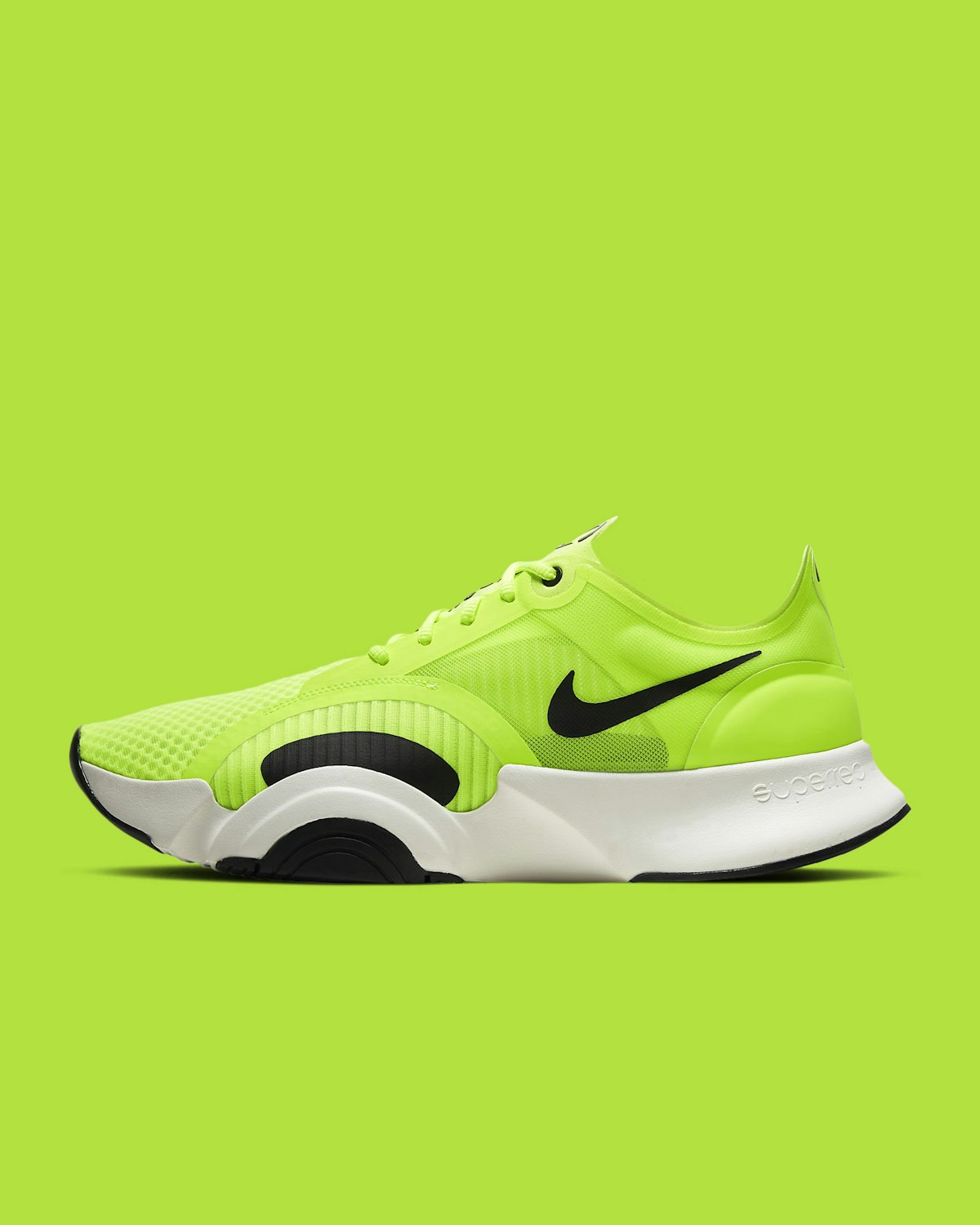
Cushioned shoes are the most common type of athletic footwear, characterized by thick, often multi-layered soles designed to absorb impact. They typically feature a higher heel-to-toe drop and varying degrees of arch support.
Pros of Cushioned Shoes for Box Jumps:
- Immediate Impact Absorption: The primary benefit is the reduction of impact forces felt by the body, which can feel more comfortable, especially for those new to plyometrics or with higher body weights.
- Familiarity and Initial Comfort: Most people are accustomed to cushioned shoes, making the transition into box jumps feel less daunting initially.
- Perceived Protection: The extra padding can provide a sense of security against hard landings.
Cons of Cushioned Shoes for Box Jumps:
While seemingly beneficial, excessive cushioning can introduce several drawbacks for box jumps, as highlighted in a 2025 review from the Journal of Applied Biomechanics:
- Reduced Ground Feel and Proprioception: The thick sole acts as a barrier, dampening the sensory feedback from the ground. This can impair your body's ability to make rapid balance adjustments, potentially increasing instability.
- Compromised Stability: A soft, thick sole can create an unstable platform, particularly during dynamic movements like jumping and landing. This "wobble" effect can increase the risk of ankle rolls or inefficient force transfer.
- Energy Dissipation: The cushioning material absorbs some of the energy you generate, meaning less of that force is translated into your jump. This can make your movements feel less explosive.
- Potential for Over-Reliance: Relying on shoe cushioning can discourage your body from developing its natural shock absorption mechanisms, potentially weakening foot and ankle stabilizers over time.
- Elevated Heel: Many cushioned shoes have a heel-to-toe drop, which can shift your center of gravity forward and potentially alter natural landing mechanics.
Best For:
Cushioned shoes might be suitable for absolute beginners who are just starting plyometrics and need the initial comfort, or individuals with specific medical conditions requiring significant cushioning (always consult a healthcare professional). They are also common for those who perform a variety of gym activities and prioritize cushioning for other movements like long-distance running.
Recommendations:
Brands like Hoka, Brooks, and Saucony offer highly cushioned athletic shoes. Specific models like the Hoka Clifton or Brooks Ghost are popular for their plush feel. Prices typically range from €130 to €250, depending on the brand and technology.
Actionable Tip for Cushioned Box Jumping:
If you opt for cushioned shoes, prioritize models with a wider, more stable base and a lower heel-to-toe drop if possible. Focus intensely on controlled, soft landings to minimize reliance on the shoe's cushioning and actively engage your body's natural shock absorbers.
Deep Dive: Flat Shoes for Box Jumps - The Stable Foundation
When we talk about "flat shoes" for box jumps, we're generally referring to athletic footwear with a minimal or zero-drop, firm sole, and often a wider, stable base. These are distinct from traditional cushioned running shoes and also from minimalist shoes, often having a slightly thicker, firmer sole than true minimalist options, but still prioritizing ground contact and stability over cushioning. Think classic cross-training shoes or even certain casual sneakers.
What Defines a Flat Shoe for Box Jumps?
- Zero or Low Drop: Similar to minimalist shoes, they promote a more natural foot position.
- Firm, Stable Sole: The sole is not squishy; it provides a solid, unyielding platform for push-off and landing.
- Minimal Cushioning: While not completely absent, cushioning is secondary to stability and ground feel.
- Often Wider Base: Many cross-training models feature a wider outsole for enhanced lateral stability.
Pros of Flat Shoes for Box Jumps:
- Excellent Stability: The firm, flat sole provides an incredibly stable platform for explosive takeoffs and secure landings, reducing the risk of ankle instability.
- Strong Ground Connection: While not as pronounced as minimalist shoes, the firm sole still allows for good ground feel, enabling better proprioception than heavily cushioned options.
- Durable Construction: Often built to withstand the rigors of various gym activities, including lifting and plyometrics.
- Versatility: A good choice for individuals who perform a mix of strength training, cross-training, and plyometrics.
Cons of Flat Shoes for Box Jumps:
- Limited Flexibility: Compared to minimalist shoes, some flat-soled options can be stiffer, potentially restricting the natural flexion of the foot during the jump.
- Minimal Impact Absorption: While offering more than true minimalist shoes, they don't provide the plush cushioning of traditional trainers, requiring the body to manage impact effectively.
- Can Feel Clunky: Some models, particularly those designed for heavy lifting, might feel less agile for very dynamic or high-volume plyometrics.
Best For:
Flat shoes are an excellent choice for general gym-goers, cross-trainers, and those who prioritize stability and ground connection without fully committing to the minimalist transition. They are a solid middle-ground option for moderate box heights and varied training routines.
Recommendations:
Classic options include Converse Chuck Taylor All-Stars or Vans, which offer a very flat, firm sole. More modern cross-training shoes like specific models from Reebok (e.g., Nano X4) or Nike (e.g., Metcon 9) often feature a flatter, firmer base ideal for gym work. Prices typically range from €70 for classic canvas options to €150 for advanced cross-training models.
Actionable Tip for Flat Box Jumping:
Ensure your chosen flat shoe still allows for adequate forefoot flexibility. Practice controlled landings, focusing on engaging your entire foot and lower leg musculature to absorb impact. These shoes excel when paired with good form.
Comparison Table: Minimalist vs. Cushioned vs. Flat for Box Jumps
| Feature | Minimalist Shoes (e.g., JOYO Barefoot) | Cushioned Shoes (e.g., Hoka, Brooks) | Flat Shoes (e.g., Reebok Nano, Converse) |
|---|---|---|---|
| Heel-to-Toe Drop | Zero-drop | High (6-12mm+) | Zero or Low (0-4mm) |
| Sole Thickness | Very thin (3-8mm) | Thick (20-40mm+) | Moderate (8-15mm) |
| Ground Feel | Excellent | Poor | Good |
| Stability | Excellent (natural foot engagement) | Compromised (soft, high platform) | Excellent (firm, wide base) |
| Flexibility | Excellent | Limited (often rigid) | Moderate (can vary) |
| Impact Absorption | Relies on natural body mechanics | High (shoe-based) | Moderate (firm sole, some padding) |
| Foot Strength Dev. | High | Low | Moderate |
| Best For | Experienced barefoot users, maximizing foot strength, precise landings | Beginners needing initial comfort, specific medical needs (consult pro) | General gym, cross-training, varied workouts, moderate box heights |
| JOYO Relevance | Primary recommendation for natural movement | Not aligned with brand philosophy | Some JOYO models offer similar stability with minimalist benefits |
The Science Behind Footwear Choice: Beyond Just "Comfort"
Want the Best Match for This Use Case?
Browse JOYO models curated for this category, then compare fit, outsole flexibility, and toe-box shape.
View Recommended Collection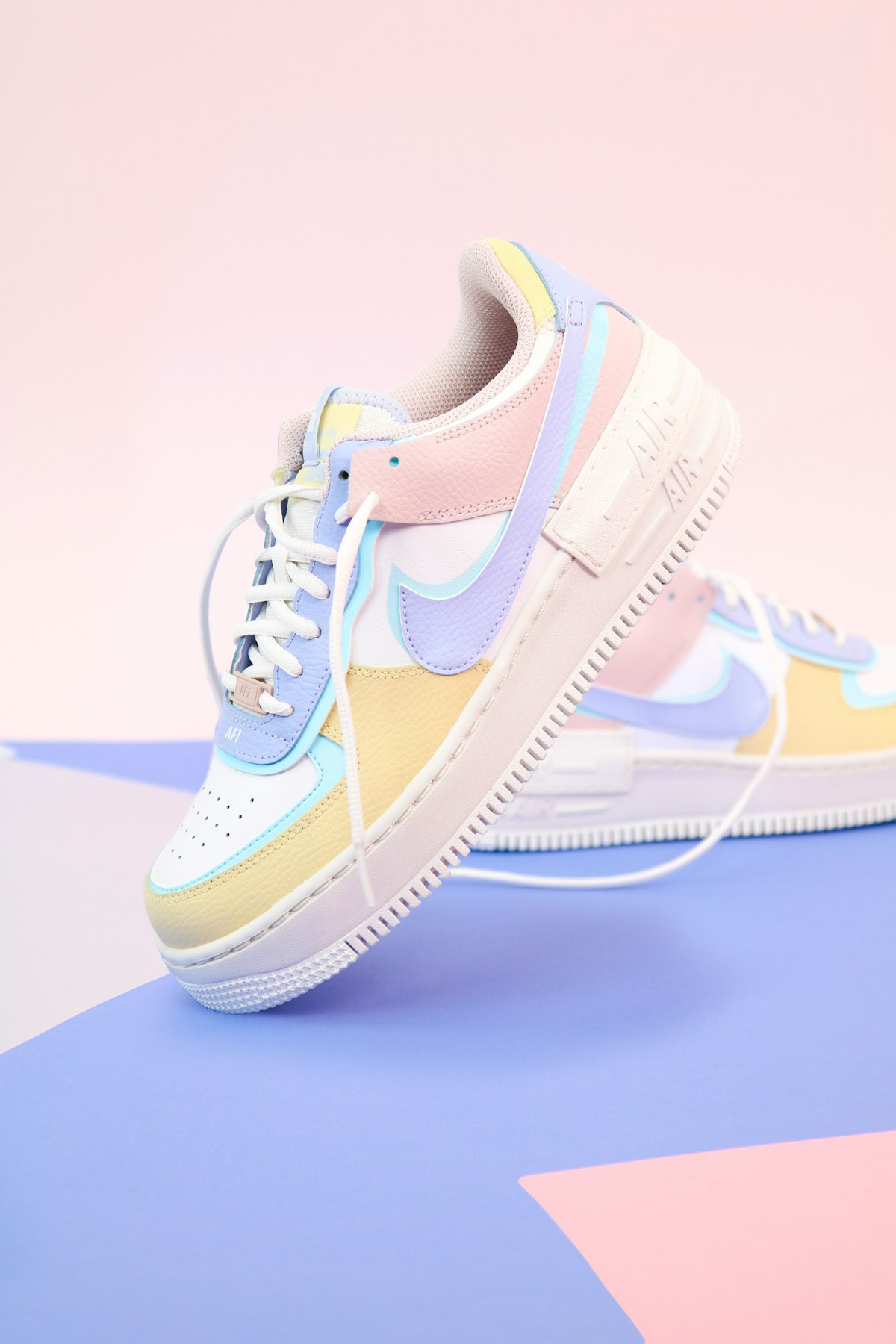
The choice of footwear for box jumps goes far beyond simple comfort. It delves into the intricate science of human biomechanics and long-term foot health.
Proprioception and Stability: Why Ground Feel Matters
Proprioception is your body's ability to sense its position and movement in space. Your feet are rich with proprioceptors, sending vital information to your brain. A review in the Journal of Foot and Ankle Research (2025) emphasized that shoes with thicker, softer soles significantly diminish this sensory feedback. When you can't feel the ground, your brain has less data to work with, leading to delayed muscle activation and potentially compromised stability during dynamic movements like box jumps. Minimalist and flat shoes, by allowing more ground feel, enhance this crucial feedback loop, leading to better balance and more precise landings.
Impact Absorption vs. Natural Shock Absorption: Your Body's Design
While cushioned shoes absorb impact, recent orthopedic consensus, as discussed at the 2026 European Sports Medicine Congress, increasingly highlights the importance of the body's natural shock absorption mechanisms. Your feet, ankles, knees, and hips are designed to work together to dissipate forces. Minimalist footwear encourages this natural process, strengthening the muscles and connective tissues involved. Relying solely on external cushioning can, over time, lead to a de-activation of these natural systems, potentially increasing susceptibility to certain injuries when those external aids are removed or fail.
Foot Strength and Injury Prevention: A Long-Term Investment
Strong, mobile feet are the foundation of a resilient body. Research from the University of Vienna's Biomechanics Lab (published in Sports Medicine Journal, 2026) demonstrated that individuals regularly training in minimalist footwear showed significantly greater intrinsic foot muscle strength and improved arch stability compared to those primarily using traditional athletic shoes. For box jumps, this means more stable landings, better propulsion, and a reduced risk of common foot and ankle injuries over the long term. Minimalist shoes, by allowing your feet to work harder, act as a training tool for foot health.
Addressing Common Misconceptions Head-On
Let's clarify some prevalent myths surrounding footwear for plyometrics:
"Cushioning Always Prevents Injury."
This is a pervasive misconception. While cushioning can reduce the immediate sensation of impact, it doesn't necessarily prevent injury. In some cases, excessive cushioning can mask poor landing mechanics, reduce proprioception, and lead to a false sense of security. It can also create an unstable platform, potentially increasing the risk of ankle sprains. True injury prevention comes from proper form, progressive training, and strong, adaptable feet.
"Minimalist Shoes Are Only for Running."
Absolutely not. While popularized by the running community, minimalist shoes are incredibly beneficial for a wide range of activities, including strength training, cross-training, and plyometrics like box jumps. Their emphasis on ground feel, stability, and natural foot mechanics makes them excellent tools for any activity where foot strength and proprioception are key.
"Flat Shoes Are Just Old-School and Lack Technology."
While classic flat shoes like canvas sneakers might seem "low-tech," their fundamental design principles - a flat, firm, stable sole - are highly effective for many gym activities. Modern flat-soled cross-training shoes incorporate advanced materials for durability and grip, proving that sometimes, simpler designs rooted in biomechanical principles are superior to overly complex, cushioned alternatives for specific movements.
Transitioning to Minimalist Footwear for Box Jumps: A Gradual Journey
If you're considering making the switch to minimalist footwear for box jumps, remember that it's a journey, not a sprint. Your feet and lower legs need time to adapt and strengthen.
- Start Slow: Begin by wearing your JOYO Barefoot shoes for short periods during your warm-up or for low-impact exercises.
- Focus on Form: When you first introduce box jumps in minimalist shoes, prioritize perfect landing mechanics over height or volume. Aim for soft, quiet landings.
- Incorporate Foot Strengthening: Integrate specific foot and ankle strengthening exercises into your routine. Toe splay exercises, calf raises, and balance drills are excellent.
- Gradual Progression: Begin with very low box heights and a minimal number of repetitions. Over several weeks or months, slowly increase the height and volume as your body adapts. Listen intently to your body; any persistent pain is a sign to back off.
- Listen to Your Body: Soreness is normal during adaptation, but sharp pain is not. If you experience pain, reduce intensity or revert to more familiar footwear for a session.
JOYO Barefoot shoes are designed to support this transition with their anatomical fit, wide toe box, and flexible soles, allowing your feet to gradually build the strength and resilience needed for natural movement.
Practical Tips for Optimal Box Jump Performance & Safety
Regardless of your footwear choice, these tips will enhance your box jump experience:
- Adequate Warm-up: Always perform a dynamic warm-up that includes mobility drills for ankles, knees, and hips, as well as light plyometrics.
- Master Landing Mechanics: Focus on landing softly and quietly, absorbing the impact through your entire lower body. Land with a slight bend in your knees and hips, avoiding stiff-legged landings.
- Choose Appropriate Box Height: Start with a height you can comfortably clear and land on with good form. Ego lifting with box jumps is a recipe for injury.
- Progressive Overload: Gradually increase the height, repetitions, or complexity of your box jumps. Don't jump to the highest box on day one.
- Listen to Your Body: Fatigue compromises form. If your form starts to break down, stop.
- Foot and Ankle Mobility: Incorporate regular ankle circles, toe stretches, and calf stretches to maintain flexibility crucial for safe landings.
Before You Buy, Get the Fit Right
Use JOYO's size guide and then continue to the store for your exact barefoot profile.
Open Size Guide Continue to ShopFrequently Asked Questions About Box Jump Shoes
Are minimalist shoes better for box jumps than cushioned?
Minimalist shoes are generally considered superior for box jumps for experienced users because they enhance proprioception, promote natural foot mechanics, and encourage stronger foot muscles, leading to better stability and power transfer. Cushioned shoes, while offering initial comfort, can reduce ground feel and stability.
Can I do box jumps in regular sneakers?
You can, but it's often not ideal. Many "regular sneakers" are cushioned running shoes, which can be unstable due to their soft, thick soles and elevated heels. For optimal performance and safety, a shoe with a flatter, firmer, and more stable sole is preferable.
How do I strengthen my feet for minimalist box jumping?
To strengthen your feet for minimalist box jumping, incorporate exercises like toe splaying, short foot exercises, calf raises (especially eccentric ones), single-leg balance drills, and walking barefoot on varied surfaces. Gradually increase your time and intensity in minimalist footwear.
What's the best shoe for beginners doing box jumps?
For beginners, a flat-soled cross-training shoe or a low-drop, firm-soled athletic shoe offers a good balance of stability and moderate cushioning. This allows for a more stable platform than heavily cushioned shoes while providing a slight buffer during the initial learning phase of landing mechanics. Transitioning to minimalist shoes should be gradual.
Do JOYO Barefoot shoes work for box jumps?
Yes, JOYO Barefoot shoes are excellent for box jumps, especially once your feet are adapted to minimalist footwear. Their zero-drop, wide toe box, and flexible design provide superior ground feel, stability, and encourage the natural foot mechanics essential for powerful takeoffs and safe, controlled landings. Our performance collections are specifically designed to support dynamic movements.
Step Up Your Game with JOYO Barefoot
Choosing the right footwear for box jumps is a pivotal decision that impacts your immediate performance and long-term foot health. While cushioned shoes offer perceived comfort, the true benefits of stability, proprioception, and natural foot strength are unlocked by minimalist and flat-soled options. As the science continues to affirm the power of natural movement, JOYO Barefoot stands at the forefront, offering footwear that respects your foot's innate design.
Ready to experience the difference that natural movement can make in your plyometric training? Explore the JOYO Barefoot collection today and discover shoes engineered to empower your feet, enhance your performance, and support your journey towards optimal foot health. Your feet are your foundation - give them the freedom to move as nature intended.