Cushioned vs. Minimalist Neutral Running Shoes: A 2026 Comparison
Are you standing at the crossroads of running shoe philosophy, wondering whether plush cushioning or natural minimalist design is the right path for your neutral stride? In 2026, the debate between cushioned and minimalist neutral running shoes is more nuanced than ever. Runners are increasingly seeking footwear that aligns with their biomechanics and long-term foot health goals.
Find Your First Pair of Barefoot Shoes
Explore JOYO Barefoot collections designed for natural foot movement and all-day comfort.
Shop All Barefoot ShoesAt JOYO Barefoot, we believe in empowering runners with knowledge to make informed decisions. This comprehensive guide dives deep into the science, benefits, and considerations for both cushioned and minimalist neutral running shoes, helping you understand which approach best supports your natural movement.
Quick Answer: Cushioned vs. Minimalist Neutral Running Shoes
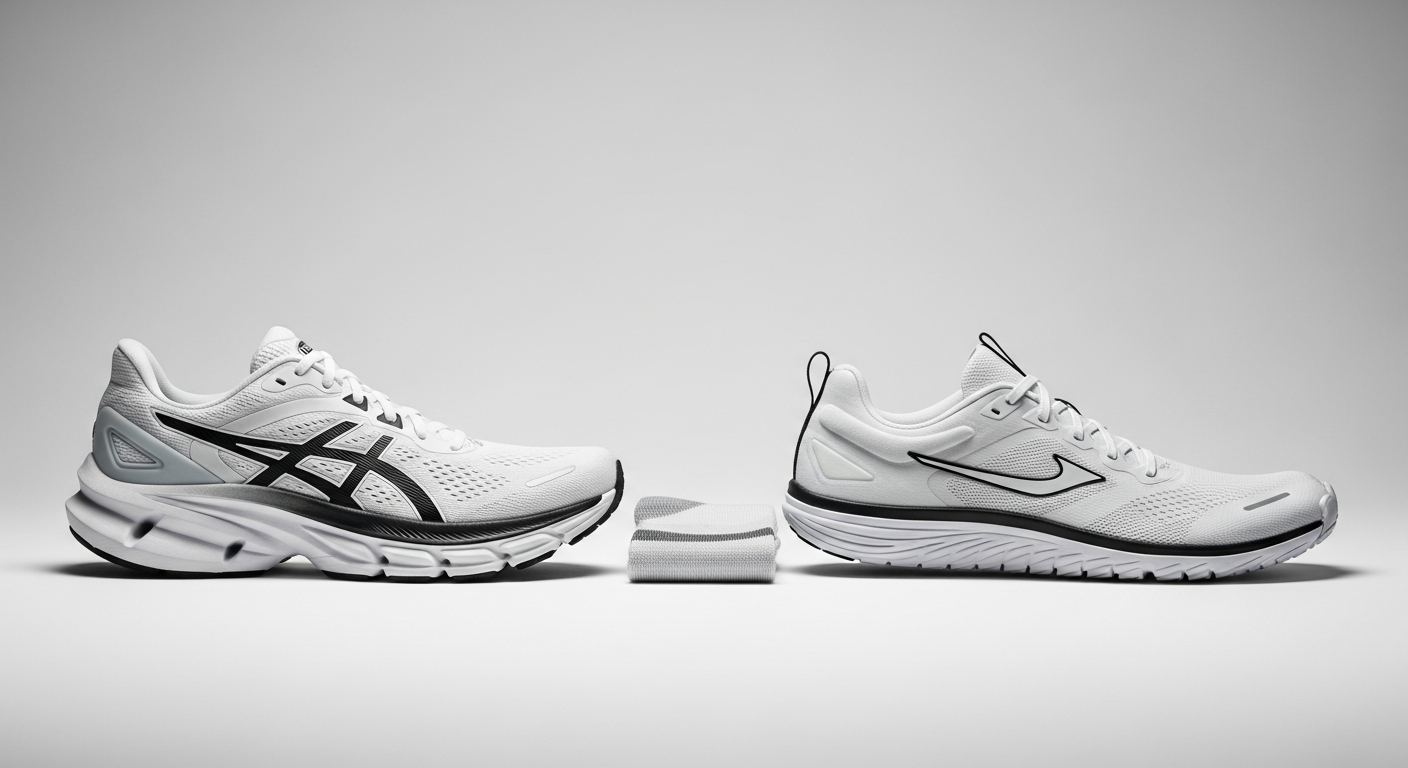
Cushioned neutral running shoes prioritize shock absorption and comfort with significant midsole material, offering a traditional running experience. Minimalist neutral running shoes, conversely, focus on promoting natural foot function with minimal cushioning, zero drop, and a wide toe box, encouraging a more natural gait and strengthening foot muscles. The best choice depends on your running history, biomechanics, and willingness to adapt your running form.
What Defines a Neutral Running Shoe in 2026?
Before we compare cushioning levels, it's crucial to understand what 'neutral' means in running shoes. A neutral running shoe is designed for runners whose feet exhibit minimal pronation, meaning their foot rolls inward only slightly upon impact. These shoes lack motion control features like medial posts, allowing the foot to move naturally without interference.
In 2026, neutral shoes continue to be the most common category, evolving with advanced materials and design philosophies. They cater to a wide range of foot types, emphasizing natural alignment and comfort without corrective elements.
The Rise of Cushioned Neutral Running Shoes: Comfort and Impact Absorption
Cushioned neutral running shoes are the industry standard for many, offering a plush, protective ride. These shoes feature substantial midsoles, often made from advanced foams like EVA, TPU, or proprietary blends, designed to absorb impact and provide a comfortable feel over long distances.
What are the Key Characteristics of Cushioned Neutral Shoes?
- High Stack Height: Typically 25-40mm of material between your foot and the ground.
- Significant Cushioning: Plush, responsive foams that reduce impact forces.
- Moderate to High Heel-to-Toe Drop: Often ranging from 6mm to 12mm, encouraging a heel-first strike.
- Structured Upper: Provides a secure, comfortable fit, often with engineered mesh or knit materials.
- Weight: Generally heavier than minimalist options due to material volume.
Who Benefits Most from Cushioned Neutral Running Shoes?
Cushioned neutral shoes are ideal for:
- High-Mileage Runners: The added protection can reduce fatigue and impact stress over long distances.
- Runners Prone to Impact-Related Issues: Those with sensitive joints or a history of stress fractures might find the shock absorption beneficial.
- Beginners: The comfort and forgiving nature can make the initial running experience more enjoyable.
- Runners with a Heel Strike: The elevated heel and cushioning support a traditional heel-first landing.
Popular Cushioned Neutral Running Shoe Models (2026)
Leading brands continue to innovate in this space. Expect to see models like:
- Hoka Clifton 14: Renowned for its maximal cushioning and smooth ride. (Approx. $150-170 USD)
- Brooks Ghost 17: A perennial favorite, offering balanced cushioning and a reliable feel. (Approx. $140-160 USD)
- New Balance Fresh Foam X 880v15: Known for its versatility and durable cushioning. (Approx. $140-160 USD)
The Minimalist Neutral Running Shoe Revolution: Embracing Natural Movement
Minimalist neutral running shoes represent a paradigm shift, moving away from external support and towards encouraging the foot's inherent strength and natural mechanics. The philosophy is simple: less shoe, more foot.
What are the Core Principles of Minimalist Neutral Shoes?
- Zero Drop (or Low Drop): The heel and forefoot are at the same height, promoting a more natural midfoot or forefoot strike.
- Flexible Sole: Allows the foot to bend, flex, and move unrestrictedly, enhancing ground feel.
- Wide Toe Box: Enables toes to splay naturally, improving balance and stability.
- Minimal Cushioning: A thin, dense layer of material offers just enough protection without interfering with proprioception.
- Lightweight: Significantly lighter, reducing energy expenditure.
- No Arch Support or Motion Control: Relies entirely on the foot's natural architecture.
Who Benefits Most from Minimalist Neutral Running Shoes?
Minimalist neutral shoes are particularly suited for:
- Runners Seeking to Strengthen Foot Muscles: The lack of support forces the intrinsic foot muscles to work harder.
- Those Transitioning to a Forefoot/Midfoot Strike: The zero-drop design naturally encourages this gait pattern.
- Runners with a History of Chronic Injuries (when transitioning carefully): By promoting natural mechanics, some runners find relief from common issues like runner's knee or shin splints, though a cautious transition is vital.
- Individuals Prioritizing Ground Feel and Proprioception: The thin sole enhances sensory feedback from the ground.
- JOYO Barefoot Enthusiasts: Our entire range, including our running collection, embodies these minimalist principles, designed to support your natural stride from the ground up.
Considerations for Minimalist Neutral Running Shoes
While the benefits are compelling, transitioning to minimalist shoes requires patience and a gradual approach. Your feet and lower legs need time to adapt to the increased workload. Start with short distances and slowly increase mileage to avoid injury.
The JOYO Barefoot running collection offers a perfect entry point for those exploring minimalist running. Our designs provide the essential protection and flexibility without compromising natural foot function, making them ideal for both seasoned minimalist runners and those beginning their journey.
Cushioned vs. Minimalist Neutral Running Shoes: A Detailed Comparison Table (2026)
| Feature | Cushioned Neutral Running Shoes | Minimalist Neutral Running Shoes |
|---|---|---|
| Primary Goal | Shock absorption, comfort, protection | Natural foot function, ground feel, foot strengthening |
| Midsole Stack Height | High (25-40mm) | Low (0-10mm) |
| Heel-to-Toe Drop | Moderate to High (6-12mm) | Zero Drop (0mm) or very low (1-4mm) |
| Cushioning Level | Plush to firm, significant impact absorption | Minimal, just enough for protection |
| Flexibility | Moderate to low, often stiffer | High, allows full foot articulation |
| Toe Box | Standard, can be restrictive for some | Wide, allows natural toe splay |
| Ground Feel (Proprioception) | Low, insulated from the ground | High, enhanced sensory feedback |
| Typical Running Form | Often encourages heel strike | Encourages midfoot/forefoot strike |
| Weight | Heavier (250-350g+) | Lighter (100-250g) |
| Common Injuries Addressed (with proper transition) | Impact-related issues, joint stress | Plantar fasciitis, shin splints, runner's knee (due to improved form) |
| Price Range (2026) | $130 - $200+ USD | $100 - $180 USD (JOYO Barefoot models competitive) |
The Biomechanics Behind Your Choice: Understanding Foot-Strike and Cadence
Want the Best Match for This Use Case?
Browse JOYO models curated for this category, then compare fit, outsole flexibility, and toe-box shape.
View Recommended CollectionYour choice of running shoe significantly influences your running biomechanics. It's not just about comfort, but how the shoe interacts with your body's natural movement patterns.
How Cushioned Shoes Influence Biomechanics
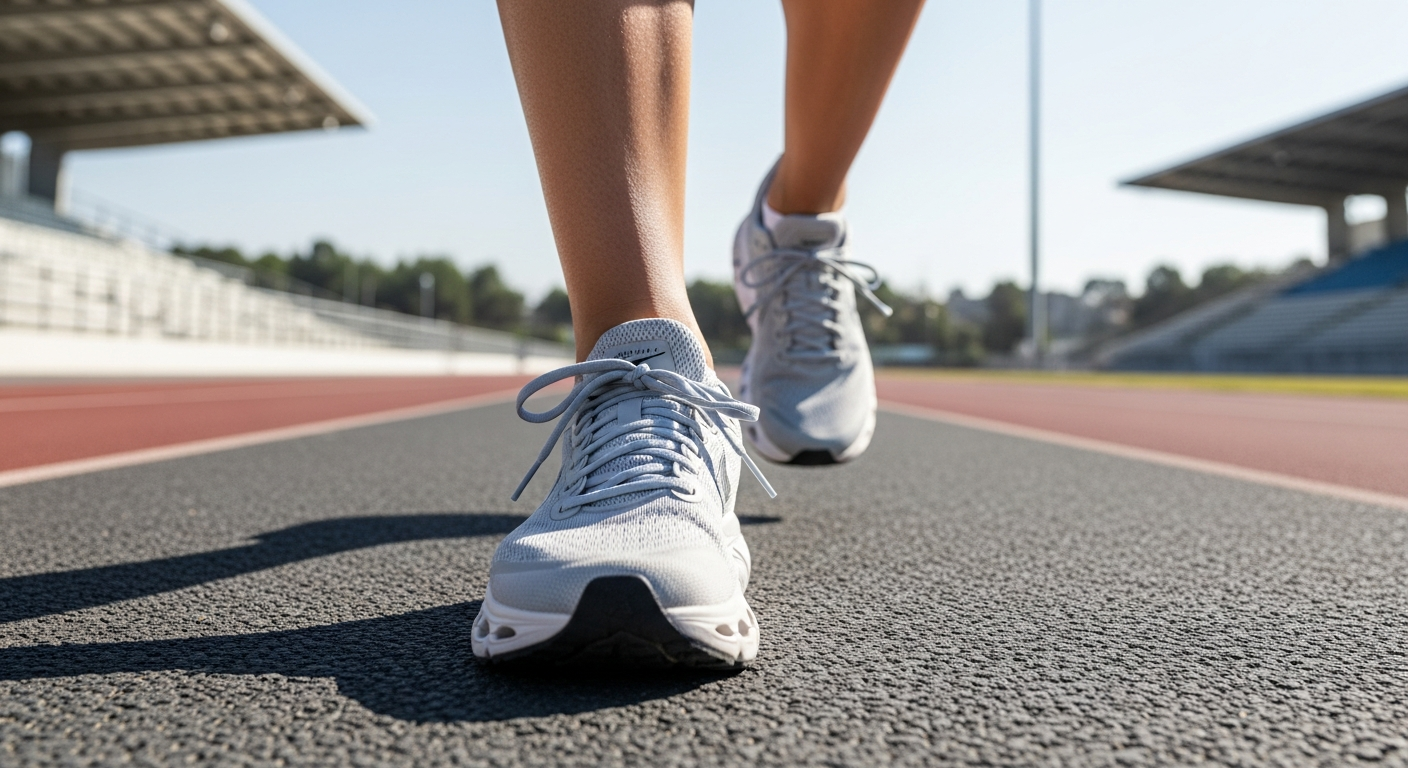
The elevated heel and thick cushioning of traditional shoes often encourage a longer stride and a heel-first landing. This can lead to higher impact forces traveling up the kinetic chain, as the cushioning absorbs some, but not all, of the shock. While this feels comfortable, it can sometimes mask inefficiencies in form or prevent the foot's natural shock-absorbing mechanisms from fully engaging.
Research published in the Journal of Sports Sciences in 2024 indicated that runners in highly cushioned shoes often exhibit a slightly lower cadence (steps per minute) and a longer ground contact time compared to those in minimalist footwear, potentially altering loading patterns on the joints.
How Minimalist Shoes Influence Biomechanics
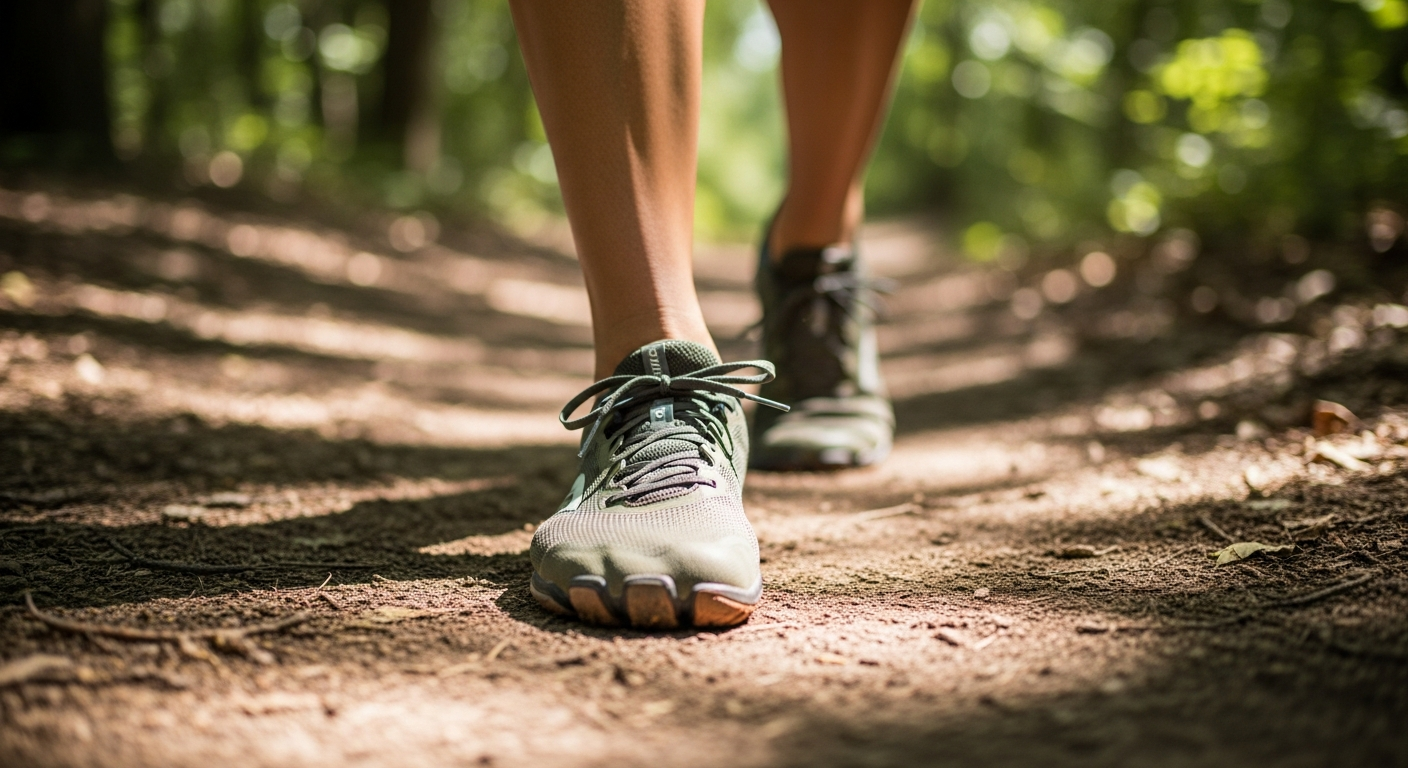
Minimalist shoes, with their zero-drop and flexible design, naturally promote a shorter stride, higher cadence, and a midfoot or forefoot strike. This landing pattern is often associated with lower impact forces, as the foot's arch and calf muscles act as natural springs. The increased ground feel also enhances proprioception, allowing your brain to receive more feedback about your foot's position and adjust your stride accordingly.
A 2025 review in Footwear Science highlighted that consistent use of minimalist footwear, combined with appropriate training, can lead to significant increases in foot strength and arch height, contributing to a more resilient and efficient running form. This is precisely the philosophy behind JOYO Barefoot's designs, fostering stronger, healthier feet.
Debunking Common Misconceptions About Running Shoes
Misconception 1: More Cushioning Always Means Less Injury
Reality: While cushioning provides comfort and shock absorption, it doesn't automatically prevent injuries. Some studies suggest that highly cushioned shoes might alter natural gait patterns in ways that could shift stress to different parts of the body. The key is finding a shoe that complements your natural biomechanics, not one that tries to overcorrect or overprotect.
Misconception 2: Minimalist Shoes Are Only for Elite Runners
Reality: Minimalist shoes are for anyone willing to invest time in strengthening their feet and adapting their running form. While elite runners might use them for specific training, the benefits of natural foot movement are accessible to all. The JOYO Barefoot collection, including our Kids' Barefoot Shoes, makes natural movement accessible for every age and activity level.
Misconception 3: You Must Choose One or the Other
Reality: Many runners adopt a mixed approach, using cushioned shoes for long, easy runs and minimalist shoes for shorter, form-focused workouts or strength training. This allows the feet to experience different stimuli and build resilience. This hybrid approach is gaining traction in 2026, recognizing the diverse demands of a runner's training schedule.
Practical Tips for Choosing Your Next Neutral Running Shoe
1. Assess Your Current Running Form and History
Are you a heel striker or do you naturally land on your midfoot? Do you have any recurring injuries? Understanding your current state is the first step. Consider filming yourself running to get an objective view of your gait.
2. Prioritize Foot Health Over Trends
Don't just buy what's popular. Focus on what feels right for your feet and supports their natural function. For many, this means exploring options that allow for toe splay and ground feel, like the JOYO Barefoot range.
3. Consider a Gradual Transition (Especially to Minimalist)
If you're moving from highly cushioned to minimalist shoes, start slowly. Wear them for short walks, then gradually introduce them into your runs, increasing mileage by no more than 10% per week. This prevents overload and allows your feet and lower legs to adapt.
4. Listen to Your Body
Pain is a signal. If a shoe causes discomfort, it's not the right fit. Pay attention to how your feet, calves, and Achilles feel after runs in different types of footwear.
5. Try Before You Buy (If Possible)
Visit a specialized running store to try on different models. Better yet, if you're considering JOYO Barefoot, explore our detailed sizing guides and customer reviews to ensure the perfect fit for your natural foot shape.
6. Strengthen Your Feet
Regardless of your shoe choice, incorporating foot strengthening exercises into your routine is beneficial. Toe splay exercises, calf raises, and arch lifts can improve foot resilience and performance.
The JOYO Barefoot Philosophy: Embracing Natural Movement for Every Runner
At JOYO Barefoot, we are passionate about unlocking your foot's natural potential. Our minimalist running shoes are meticulously designed with zero drop, a wide toe box, and exceptional flexibility to encourage optimal foot function. We believe that by allowing your feet to move as nature intended, you can achieve greater strength, balance, and a more efficient, enjoyable running experience.
Whether you're an experienced minimalist runner or curious about transitioning, our collection offers durable, comfortable, and stylish options for every terrain and activity. From our everyday casual shoes to our dedicated running and hiking lines, JOYO Barefoot supports your journey towards healthier, happier feet.
Before You Buy, Get the Fit Right
Use JOYO's size guide and then continue to the store for your exact barefoot profile.
Open Size Guide Continue to ShopFrequently Asked Questions (FAQs)
Q: Can I switch between cushioned and minimalist neutral running shoes?
A: Yes, many runners find success in switching between cushioned and minimalist neutral running shoes. This approach, sometimes called 'shoe rotation,' can offer the benefits of both worlds, providing protection for long runs and promoting foot strength during shorter, form-focused sessions. Just ensure any transition to minimalist shoes is gradual.
Q: Are minimalist neutral running shoes better for preventing injuries?
A: Minimalist neutral running shoes are not inherently better for preventing all injuries, but they can help prevent certain types of injuries by promoting a more natural running form and strengthening foot muscles. However, an improper or too rapid transition can lead to new injuries. The key is a slow, mindful adaptation and focusing on improved biomechanics.
Q: How long does it take to transition to minimalist neutral running shoes?
A: The transition to minimalist neutral running shoes can take anywhere from a few weeks to several months, depending on your current foot strength, running experience, and consistency. It's crucial to start with short distances (e.g., 10-15 minutes) and gradually increase mileage, listening carefully to your body for any signs of discomfort or pain.
Q: Do minimalist running shoes require a different running form?
A: Minimalist running shoes don't necessarily 'require' a different form, but they naturally encourage a shift towards a midfoot or forefoot strike, a shorter stride, and a higher cadence. This is often a more efficient and lower-impact way of running compared to a traditional heel strike. Focusing on these form cues can enhance the benefits of minimalist footwear.
Q: What is the main benefit of a wide toe box in neutral running shoes?
A: The main benefit of a wide toe box in neutral running shoes, especially minimalist ones like JOYO Barefoot, is that it allows your toes to splay naturally. This improves balance, provides a more stable base of support, and prevents common foot issues like bunions and hammertoes that can arise from cramped footwear. It's crucial for optimal foot function and comfort.
Ready to experience the difference natural movement can make? Explore the full range of JOYO Barefoot minimalist running shoes and discover footwear designed to reconnect you with the ground and unleash your foot's true potential. Visit joyobarefoot.com today!
- Lieberman, D., et al. (2010). Foot strike patterns and collision forces in habitually barefoot versus shod runners. Nature.
- Anya's Reviews — definitive guide to barefoot shoes (regularly updated).
- Hollander, K., et al. (2017). Effects of Habitual Footwear Use on Foot Anatomy and Function. Frontiers in Pediatrics.