
Wide Toe Box vs. Regular Shoes: A 2026 Long-Term Foot Health Deep Dive
Are you standing at a crossroads, wondering if the shoes on your feet are helping or harming your long-term foot health? In 2026, with an ever-growing understanding of biomechanics and natural movement, the debate between wide toe box shoes and conventional footwear is more relevant than ever. This article isn't just another comparison, it's a deep dive into the often-overlooked long-term implications for your feet, posture, and overall well-being.
Find Your First Pair of Barefoot Shoes
Explore JOYO Barefoot collections designed for natural foot movement and all-day comfort.
Shop All Barefoot ShoesWe'll explore the science, debunk common myths, and provide actionable insights to help you make informed choices for a lifetime of healthy, pain-free movement. From preventing bunions to enhancing athletic performance, the shape of your shoe's toe box plays a far more critical role than many realize.
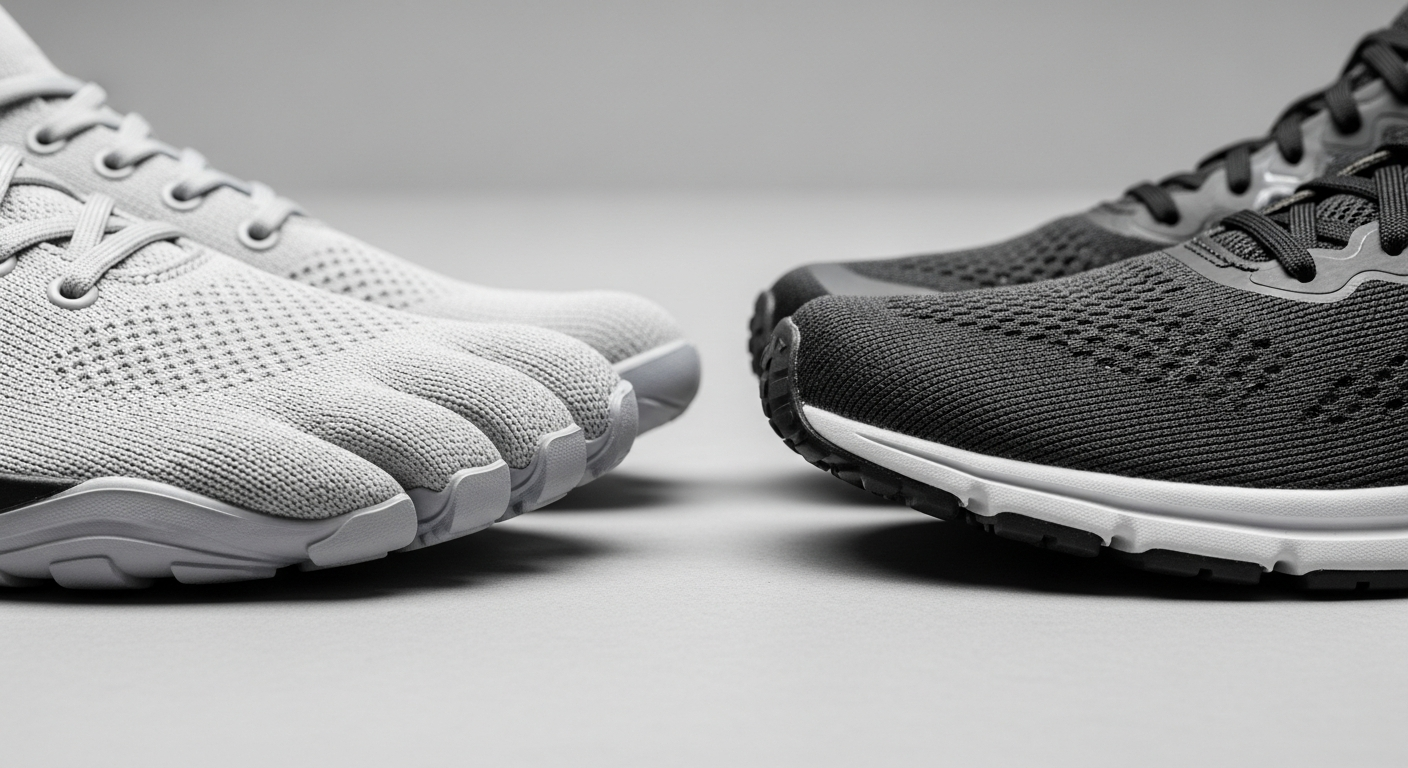
Quick Answer: Wide Toe Box Shoes vs. Regular Shoes for Long-Term Foot Health
For optimal long-term foot health, wide toe box shoes are unequivocally superior to regular shoes. Regular shoes, with their tapered toe boxes, compress the toes, restrict natural splay, and can lead to a cascade of foot deformities and systemic issues over time, including bunions, hammer toes, neuromas, and compromised balance. Wide toe box shoes, conversely, allow the toes to spread naturally, mimicking the foot's natural shape and function, promoting stronger intrinsic foot muscles, better balance, and preventing common foot ailments. This design supports the foot's natural biomechanics, crucial for maintaining healthy feet and an active lifestyle well into old age.
Understanding the Foot's Natural Architecture: Why Shape Matters
Before we compare footwear, let's revisit the incredible design of the human foot. Your foot is a marvel of engineering, comprising 26 bones, 33 joints, and over 100 muscles, tendons, and ligaments. Its primary functions are shock absorption, propulsion, and adapting to uneven terrain. Crucially, the toes are designed to splay, creating a stable base, much like the roots of a tree.
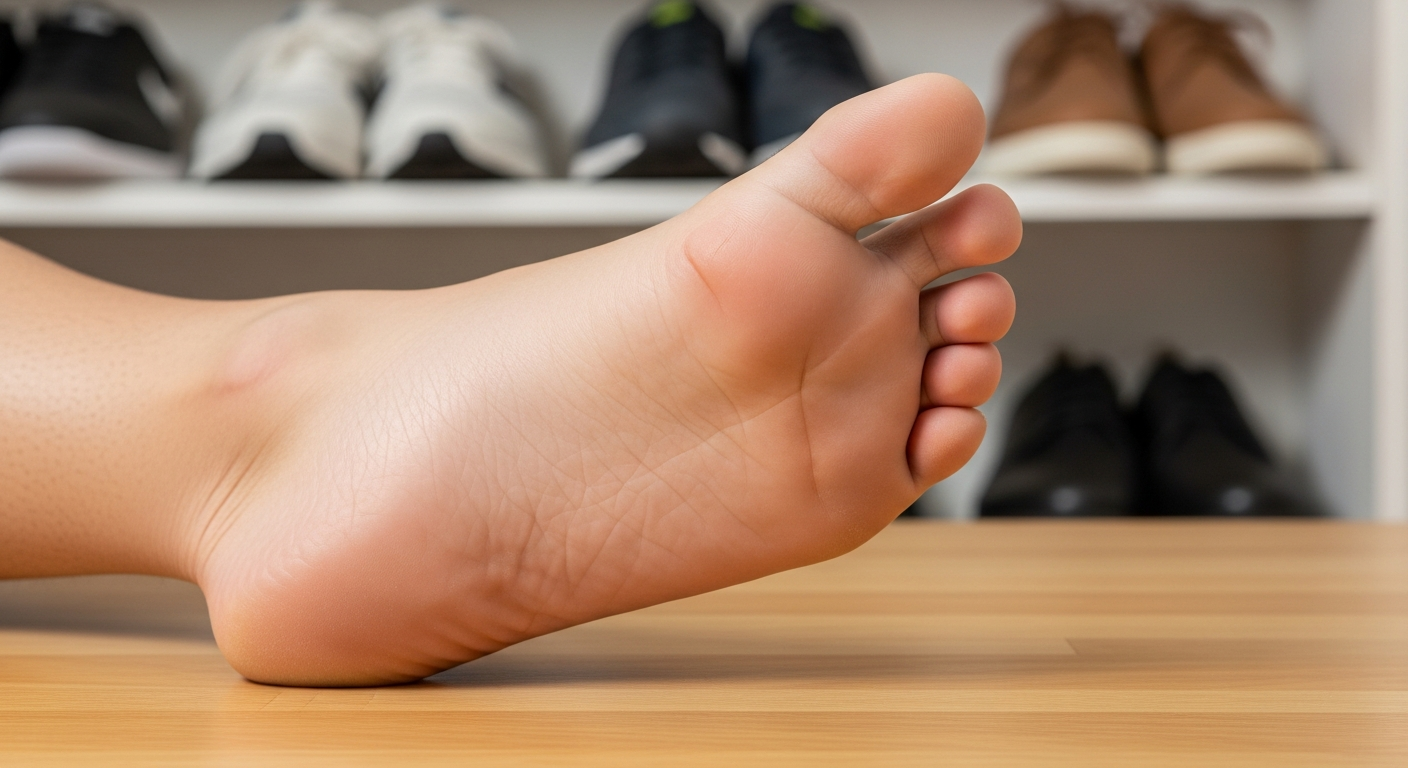
When you stand barefoot, notice how your toes naturally spread out, providing a broad, stable foundation. This natural splay is vital for balance, proprioception (your body's awareness in space), and efficient force distribution during walking, running, and jumping. The big toe, in particular, plays a significant role in propulsion and stability.
The problem arises when footwear constricts this natural splay. For centuries, shoe designs have prioritized aesthetics over anatomy, leading to shoes that are widest at the ball of the foot and then taper sharply towards the toes. This design directly contradicts the natural, fan-like shape of a healthy human foot.
The Silent Damage: How Regular Shoes Compromise Foot Health Over Decades
Many people don't experience severe foot pain until later in life, leading to a misconception that foot issues are an inevitable part of aging. However, decades of wearing ill-fitting, restrictive shoes are often the root cause. The damage isn't always immediate, but it accumulates silently.
The Cascade of Compression: What Happens Inside Regular Shoes?
When your toes are constantly squeezed together in a tapered toe box, several detrimental processes begin:
- Toe Deformities: The most visible long-term effects are bunions (hallux valgus), hammer toes, and claw toes. The big toe is pushed inward, altering its alignment and creating a painful bony protrusion. Smaller toes buckle under pressure, losing their natural flexibility.
- Weakened Intrinsic Foot Muscles: The muscles within your foot are designed to work actively, spreading the toes and stabilizing the arch. When shoes do the work of holding your foot in a rigid shape, these muscles become lazy and atrophy. This leads to a reliance on external support and a loss of natural foot strength.
- Nerve Compression (Morton's Neuroma): Constant pressure on the nerves between the toes can lead to inflammation and thickening, causing sharp, burning pain, numbness, or tingling. This is a common complaint among those who wear narrow-toed shoes for extended periods.
- Altered Gait and Balance: With compromised toe splay, your base of support narrows. This affects your balance, making you less stable and increasing the risk of falls, especially as you age. Your gait also changes, often becoming less efficient and placing undue stress on other joints like knees, hips, and the lower back.
- Plantar Fasciitis and Arch Collapse: While often attributed to arch support issues, restricted toe movement can contribute to plantar fasciitis. When toes cannot splay, the foot's natural shock absorption mechanism is hindered, placing more strain on the plantar fascia. Weak intrinsic muscles also contribute to arch instability.
- Circulation Issues: Chronic compression can impede blood flow to the toes, potentially leading to discomfort and, in severe cases, contributing to conditions like chilblains or exacerbating existing circulatory problems.
Consider the cumulative effect of wearing these shoes for 8-10 hours a day, five or more days a week, for 20, 30, or even 50 years. The human foot is incredibly resilient, but it's not immune to constant, unnatural forces.
The JOYO Barefoot Difference: Embracing Natural Foot Function
At JOYO Barefoot, our philosophy is rooted in the belief that your feet are perfectly designed and simply need the freedom to move as nature intended. This is where wide toe box shoes, particularly those designed with minimalist principles, shine. They are not just a trend, but a return to anatomical common sense.
How Wide Toe Box Shoes Promote Long-Term Foot Health
The benefits of wide toe box shoes extend far beyond immediate comfort. They are an investment in your long-term foot health and overall well-being:
- Restored Natural Toe Splay: The most obvious benefit. A wide toe box allows your toes to spread out, just as they would barefoot. This restores your natural base of support, enhancing balance and stability.
- Strengthened Intrinsic Foot Muscles: By allowing your toes to move freely and engage with the ground, wide toe box shoes encourage the strengthening of the muscles within your foot. Stronger feet are more resilient, adaptable, and less prone to injury.
- Improved Proprioception: With unrestricted toe movement and often, a thinner, more flexible sole (common in barefoot designs), your feet receive more sensory feedback from the ground. This enhances proprioception, improving your body's awareness and reaction time.
- Prevention and Reversal of Deformities: For many, switching to wide toe box shoes can halt the progression of bunions and hammer toes. In some cases, with consistent wear and targeted foot exercises, minor deformities can even show signs of improvement.
- Enhanced Balance and Stability: A broader base of support directly translates to better balance. This is crucial for athletes, hikers, and especially for maintaining mobility and preventing falls as we age.
- Reduced Pain and Discomfort: By eliminating compression, wide toe box shoes alleviate pressure on nerves and joints, reducing the likelihood of conditions like Morton's neuroma, bunion pain, and general foot fatigue.
- Better Posture and Biomechanics: Your feet are the foundation of your body. When your foundation is stable and aligned, it positively impacts your entire kinetic chain, from your ankles to your spine. This can lead to improved posture and reduced strain on knees, hips, and back.
It's not just about space, it's about function. JOYO Barefoot's designs, from our Everyday Casual line to our Performance Running shoes, are meticulously crafted to provide this essential freedom, allowing your feet to thrive.
Comparing the Two: A Detailed Look at Long-Term Impact (2026 Data)
Let's put it into perspective with a comparison table, incorporating current understanding and research trends in 2026.
| Feature/Impact | Regular Shoes (Tapered Toe Box) | Wide Toe Box Shoes (e.g., JOYO Barefoot) |
|---|---|---|
| Toe Splay & Function | Restricts natural toe splay, compresses toes. Inhibits natural toe grip and push-off. | Allows full, natural toe splay. Promotes active toe engagement for grip, balance, and propulsion. |
| Intrinsic Foot Muscle Strength | Weakens muscles over time due to lack of engagement and external support dependence. | Strengthens intrinsic foot muscles, leading to a more robust and resilient foot. |
| Risk of Deformities (Long-Term) | High risk of bunions, hammer toes, claw toes, ingrown toenails due to chronic compression. | Significantly reduces risk of deformities; can aid in preventing progression or even reversing mild cases. |
| Balance & Proprioception | Compromised due to narrow base of support and reduced sensory feedback. Increased fall risk. | Enhanced balance and proprioception due to broad base and increased ground feel. Improved stability. |
| Nerve Health | Increased risk of Morton's neuroma and other nerve impingements due to toe compression. | Reduced risk of nerve compression, promoting healthy nerve function in the forefoot. |
| Gait & Biomechanics | Can lead to altered, less efficient gait patterns and compensatory movements up the kinetic chain. | Promotes natural, efficient gait. Supports optimal alignment from foot to spine. |
| Overall Foot Pain & Fatigue | Common complaints due to unnatural foot positioning, pressure points, and weakened muscles. | Reduced pain and fatigue; feet feel more natural and less constrained, even after long periods of wear. |
| Adaptation Period | None, as they maintain existing foot deformities/weaknesses. | May require a gradual transition period as feet adapt and strengthen (especially if transitioning from highly supportive shoes). |
Transitioning to Wide Toe Box Shoes: Practical Tips for Long-Term Success
Want the Best Match for This Use Case?
Browse JOYO models curated for this category, then compare fit, outsole flexibility, and toe-box shape.
View Recommended CollectionIf you're considering making the switch to wide toe box shoes, especially minimalist designs, a gradual approach is key. Your feet have likely been accustomed to restrictive footwear for years, and they need time to re-learn their natural function.
Actionable Steps for a Smooth Transition:
- Start Slowly: Don't immediately switch to wearing wide toe box shoes all day, every day. Begin by wearing them for a few hours at a time, gradually increasing wear time over several weeks or even months.
- Listen to Your Body: You might experience some initial muscle soreness as your feet and lower legs start working in new ways. This is normal, but sharp pain is a sign to reduce wear time and consult a professional if it persists.
- Incorporate Foot Exercises: Actively strengthen your feet. Exercises like toe splay, toe yoga (lifting individual toes), marble pickups, and calf raises can significantly aid the transition and build foot strength. JOYO Barefoot's blog has several resources on foot strengthening exercises.
- Consider Toe Spacers: Products like toe spacers can help gently encourage natural toe splay, especially beneficial for those with significant toe compression from years of regular shoes. Wear them for short periods initially.
- Choose the Right JOYO Barefoot Style: We offer a range of wide toe box shoes across different categories. For everyday wear, our Everyday Casual collection provides excellent options. If you're a runner, explore our Running shoes, but remember to transition your running form gradually.
- Be Patient: Rebuilding foot strength and reversing decades of shoe-induced changes takes time. Consistency is more important than intensity.
- Walk Barefoot When Safe: Spend time barefoot on natural surfaces like grass or sand. This is the ultimate way to reconnect with your feet's natural capabilities.
Addressing Common Misconceptions About Wide Toe Box and Barefoot Shoes
Despite growing scientific consensus, several myths persist about wide toe box and minimalist footwear:
Myth 1: "Barefoot shoes lack arch support, which is bad for flat feet."
Reality: The idea that external arch support is always necessary, especially for flat feet, is increasingly being challenged in 2026. While some individuals with severe structural issues may benefit from temporary support, for most, strong intrinsic foot muscles are the best 'arch support.' Wide toe box and minimalist shoes encourage these muscles to activate and strengthen, potentially improving arch function over time. Many cases of 'flat feet' are actually a result of weakened muscles and restricted movement, not an inherent structural flaw.
Myth 2: "They're only for athletes or people with existing foot problems."
Reality: While athletes benefit from enhanced proprioception and strength, and those with foot problems often find relief, wide toe box shoes are for everyone. They are about maintaining natural foot health and preventing problems before they start. Children, in particular, benefit immensely from wide toe box shoes like those in our Kids Collection, as their feet are still developing and highly susceptible to deformation from restrictive footwear.
Myth 3: "They look clunky or unfashionable."
Reality: The design aesthetic of wide toe box shoes has evolved significantly. Brands like JOYO Barefoot are at the forefront of creating stylish, contemporary designs that integrate seamlessly into modern wardrobes. Our Sandals and Casual lines demonstrate that foot health and fashion can coexist beautifully.
Myth 4: "You need a lot of cushioning to protect your feet."
Reality: While cushioning can provide immediate comfort, excessive cushioning can decouple your feet from the ground, reducing sensory feedback and potentially encouraging a harder heel strike. The human foot is naturally equipped with its own shock absorption system. Wide toe box shoes, often with thinner soles, allow this natural system to function optimally, promoting a softer, more natural gait.
The Economic and Lifestyle Benefits of Long-Term Foot Health
Beyond comfort and pain reduction, investing in wide toe box shoes now can yield significant long-term economic and lifestyle benefits:
- Reduced Healthcare Costs: Preventing bunions, neuromas, and other deformities can save you from expensive podiatrist visits, physical therapy, orthotics, and even surgery down the line. The average cost of bunion surgery in 2026 can range from $5,000 to $15,000 per foot, a stark contrast to the cost of quality footwear.
- Sustained Mobility and Independence: Healthy, strong feet are fundamental to maintaining an active lifestyle as you age. The ability to walk, hike, run, and play without pain significantly contributes to overall quality of life and independence.
- Improved Athletic Performance: For runners and athletes, stronger feet and better proprioception can lead to improved efficiency, reduced injury risk, and enhanced performance.
- Better Quality of Life: Chronic foot pain can severely impact daily activities, mood, and sleep. Investing in foot health is investing in your overall happiness and well-being.
The choice between wide toe box shoes and regular shoes isn't just about what feels good today, it's about making a conscious decision for the health and vitality of your feet for decades to come.
Conclusion: Step Towards a Healthier Future with JOYO Barefoot
In 2026, the evidence is clearer than ever: the long-term health of your feet is profoundly influenced by the shape of your shoes. Regular shoes, with their restrictive, tapered toe boxes, are a primary contributor to a myriad of common foot ailments. Wide toe box shoes, conversely, respect and support the foot's natural anatomy, fostering strength, stability, and freedom of movement.
At JOYO Barefoot, we are committed to providing footwear that empowers your feet to function as nature intended. Our collections, from Hiking to Kids, are designed with a generous, foot-shaped toe box, zero-drop sole, and optimal flexibility to ensure your feet can move, splay, and strengthen with every step. Make the informed choice for your long-term foot health. Experience the JOYO Barefoot difference and rediscover the joy of natural movement.
Before You Buy, Get the Fit Right
Use JOYO's size guide and then continue to the store for your exact barefoot profile.
Open Size Guide Continue to ShopFrequently Asked Questions About Wide Toe Box Shoes and Foot Health
Q: Can wide toe box shoes cure bunions?
A: Wide toe box shoes can't 'cure' severe, established bunions, which are structural deformities. However, they can significantly alleviate pain, prevent the bunion from worsening, and in some cases, with consistent wear and foot exercises, may lead to minor improvements in alignment. They are crucial for preventing bunions from developing in the first place.
Q: How long does it take to adapt to wide toe box or barefoot shoes?
A: The adaptation period varies greatly from person to person, depending on factors like prior footwear, existing foot strength, and activity levels. It can range from a few weeks to several months. A gradual transition is always recommended to allow your feet and lower leg muscles to strengthen and adapt without injury.
Q: Are wide toe box shoes suitable for people with high arches?
A: Yes, wide toe box shoes are suitable for people with high arches. High arches, like flat arches, benefit from the freedom to move and strengthen. The focus is on allowing the foot's natural shock absorption and propulsion mechanisms to work, rather than relying on external arch support which can weaken intrinsic muscles over time.
Q: What's the difference between 'wide' shoes and 'wide toe box' shoes?
A: This is a critical distinction. 'Wide' shoes often refer to the overall width of the shoe, typically across the midfoot, but they can still have a tapered toe box that compresses the toes. 'Wide toe box' shoes specifically mean the front part of the shoe is shaped like a natural foot, widest at the toes, allowing them to splay. JOYO Barefoot shoes are designed with a truly wide, foot-shaped toe box.
Q: Can children benefit from wide toe box shoes?
A: Absolutely, children benefit immensely from wide toe box shoes. Their feet are still developing, and restrictive footwear can permanently alter their foot structure, leading to problems later in life. Wide toe box shoes, like those in JOYO Barefoot's Kids Collection, allow children's feet to grow naturally, promoting strong, healthy development and better balance from a young age.