
Your 8-Week Plan: How to Transition to Barefoot Shoes Safely with JOYO
Are you ready to unlock your feet's natural potential? The journey to barefoot shoes promises stronger feet, improved balance, and a more natural gait. Yet, many eager individuals rush the transition, leading to frustration and even injury. The common advice to 'go slow' is a good start, but it lacks the actionable steps you need for true success.
Find Your First Pair of Barefoot Shoes
Explore JOYO Barefoot collections designed for natural foot movement and all-day comfort.
Shop All Barefoot ShoesAt JOYO Barefoot, we believe in empowering your natural movement with science-backed guidance. This expert-level 8-week plan is your comprehensive roadmap, designed to safely guide you from conventional footwear to the freedom of minimalist shoes. We'll combine gradual shoe progression with targeted foot strengthening and proprioceptive exercises, ensuring your body adapts holistically and sustainably.
Quick Answer: Your 8-Week Barefoot Transition Plan at a Glance
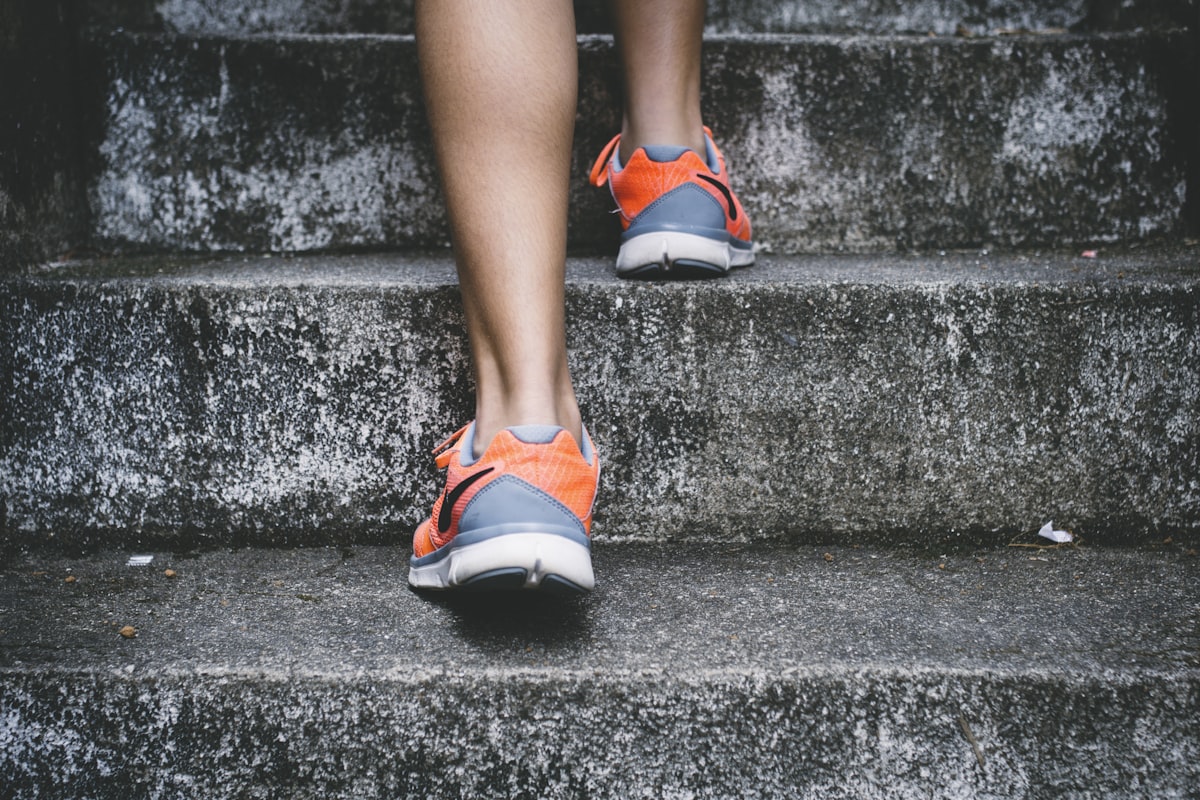
Transitioning to barefoot shoes safely over 8 weeks involves a progressive approach. Start with minimal barefoot time (1-2 hours daily) in your home or with JOYO's most forgiving casual models, focusing on intrinsic foot exercises. Gradually increase wear time and introduce more challenging surfaces and activities each week. Weeks 1-2 build foundational foot strength, Weeks 3-4 enhance proprioception and gait awareness, Weeks 5-6 focus on endurance and load, and Weeks 7-8 integrate full-day wear and activity-specific training. Listen to your body, prioritize recovery, and consistently perform targeted foot and ankle exercises throughout the entire process.
Why Does a Structured 8-Week Plan Matter for Barefoot Transition?
The human foot is a marvel of engineering, comprising 26 bones, 33 joints, and over 100 muscles, tendons, and ligaments. For decades, conventional shoes have often cushioned, supported, and restricted these intricate structures, leading to weakened intrinsic foot muscles and diminished proprioception (your body's sense of position and movement).
A sudden switch to barefoot shoes can overload these deconditioned structures. Research from 2023 highlighted that while barefoot running offers numerous benefits, a rapid transition significantly increases injury risk, particularly in the calves, Achilles tendons, and metatarsals. This isn't because barefoot shoes are inherently dangerous, but because our bodies need time to adapt to new biomechanical demands.
Our 8-week plan provides the necessary scaffolding for your feet and entire kinetic chain to rebuild strength, improve flexibility, and re-establish natural movement patterns. It's not just about changing your shoes; it's about re-educating your feet.
Before You Begin: Are Your Feet Ready for Barefoot Shoes?
Before lacing up your first pair of JOYO Barefoot shoes, a quick self-assessment can help gauge your starting point. This isn't about perfection, but about understanding where you need to focus your efforts. If you are recovering from foot surgery before transitioning, follow a recovery-paced approach first and clear it with your care team before working through this checklist.
How Can I Assess My Foot Mobility and Strength?
- Toe Splay Test: Can you actively spread your toes wide apart, creating space between each digit? If not, your intrinsic foot muscles might be underdeveloped.
- Single-Leg Balance: Stand on one leg for 30 seconds with your eyes open, then closed. A significant wobble, especially with eyes closed, indicates room for proprioceptive improvement.
- Arch Collapse Test: Stand normally, then lift your big toe off the ground while keeping the other toes flat. Does your arch lift significantly? This indicates good intrinsic foot muscle engagement.
- Calf Flexibility: Can you comfortably touch your toes with straight legs? Tight calves often lead to overpronation or excessive forefoot striking in minimalist shoes.
Should I Consult a Professional Before Starting?
If you have pre-existing foot conditions (e.g., plantar fasciitis, bunions, chronic ankle instability), a history of lower limb injuries, or significant pain during the assessment, we strongly recommend consulting a podiatrist or physical therapist. They can provide personalized advice and ensure you embark on this journey safely.
The JOYO Barefoot 8-Week Transition Plan: Your Holistic Roadmap
This plan integrates gradual shoe exposure with specific exercises, mindful walking, and recovery. Each week builds upon the last, strengthening your feet and refining your movement.
Core Principles of the JOYO Transition Plan:
- Gradual Exposure: Increase barefoot shoe wear time and activity intensity incrementally.
- Targeted Exercises: Strengthen intrinsic foot muscles, improve ankle mobility, and enhance proprioception.
- Mindful Movement: Pay attention to your gait, stride, and foot strike.
- Listen to Your Body: Differentiate between muscle soreness and sharp pain. Rest and adjust as needed.
- Consistency: Regular practice yields the best results.
Weeks 1-2: Foundation & Foot Awakening (The Gentle Start)
Goal: Re-awaken intrinsic foot muscles, improve toe mobility, and introduce minimal ground feel. Your body needs to remember how to use its natural shock absorbers.
Footwear Focus: Begin with short periods of true barefoot walking at home on soft, safe surfaces (carpet, grass). When outside, start with your most forgiving JOYO Barefoot casual shoes, like the JOYO UrbanStride. These offer a flexible, zero-drop platform with a slightly more cushioned sole than our performance models, often with a removable insole you can keep in for the first few weeks.
Wear Time: 1-2 hours daily. Prioritize walking around your home barefoot or in your JOYO UrbanStride for short errands.
Key Exercises (Perform daily for 5-10 minutes):
- Toe Splay: Sit or stand, and consciously spread your toes as wide as possible, holding for 5 seconds. Repeat 10-15 times per foot.
- Toe Lifts: Lift only your big toe, keeping other toes down. Then lift only your small toes, keeping the big toe down. Alternate 10-15 times.
- Marble Pickups: Using only your toes, pick up marbles (or small objects) and place them in a cup. Do 2-3 minutes per foot.
- Ankle Circles: Gently rotate each ankle clockwise and counter-clockwise 10 times.
Mindful Walking Tip: Focus on landing softly with a midfoot strike. Imagine you're trying not to make any noise as you walk.
Weeks 3-4: Proprioceptive Prowess & Gait Awareness (Building Connection)
Goal: Enhance your foot's ability to sense the ground, improve balance, and consciously refine your walking gait. Your nervous system starts to adapt to the new sensory input.
Footwear Focus: Continue with your JOYO UrbanStride, potentially removing the insole if comfortable, or transition to a slightly thinner-soled casual model like the JOYO SunSense sandals for warmer weather and maximum ground feel during short walks. Increase your barefoot time on varied, safe outdoor surfaces like grass or sand.
Wear Time: 3-4 hours daily. Incorporate short walks (15-20 minutes) outdoors on varied, forgiving terrain. Continue barefoot time at home.
Key Exercises (Perform daily for 10-15 minutes):
- Single-Leg Balance: Stand on one leg for 30-60 seconds, progressing to closing your eyes. Repeat 3-5 times per leg.
- Heel-to-Toe Walk: Walk in a straight line, placing the heel of one foot directly in front of the toes of the other. Focus on stability.
- Calf Raises (Slow & Controlled): Perform 3 sets of 10-15 slow calf raises, focusing on full range of motion.
- Uneven Surface Walking: Walk barefoot or in JOYO shoes on grass, sand, or a slightly uneven mat to challenge proprioception.
Mindful Walking Tip: Shorten your stride. Aim for a cadence of around 170-180 steps per minute. This naturally encourages a midfoot strike and reduces impact.
Weeks 5-6: Strength Building & Endurance (Increasing Load)
Goal: Build endurance in your foot and lower leg muscles, preparing them for longer periods of barefoot shoe wear and increased activity. Your tissues are becoming more resilient.
Footwear Focus: By now, you should be comfortable in your JOYO UrbanStride or JOYO SunSense for most casual activities. You can now begin to introduce JOYO's more performance-oriented models for specific, short activities, such as the JOYO FlowRunner for very short, gentle jogs (1-2 minutes at a time) or the JOYO TrailBlazer for short, easy hikes.
Wear Time: 5-6 hours daily. Gradually increase the duration of your walks to 30-45 minutes. Introduce light activity like gardening or short, slow jogs if your body feels ready.
Key Exercises (Perform daily for 15-20 minutes):
- Eccentric Calf Raises: Raise on two feet, then slowly lower on one foot. Repeat 10-15 times per leg, 3 sets.
- Foot Doming: Arch your foot by pulling the ball of your foot and heel closer together, without curling your toes. Hold for 5 seconds, repeat 10-15 times.
- Short Barefoot Runs/Walks: On a very soft, safe surface (e.g., a track or soft grass), try 1-2 minutes of very gentle barefoot running or brisk walking.
- Resistance Band Ankle Exercises: Use a light resistance band for ankle dorsiflexion, plantarflexion, inversion, and eversion. 15-20 reps each direction.
Mindful Movement Tip: Focus on a light, springy step. Imagine your feet are gently kissing the ground, not slapping it. Pay attention to how your entire body moves in response to your feet.
Weeks 7-8: Full Integration & Activity Specifics (Embracing Natural Movement)
Goal: Fully integrate barefoot shoes into your daily life and begin applying your strengthened feet to more specific activities like running or hiking. Your feet are now significantly stronger and more adaptable.
Footwear Focus: You should now be comfortable wearing your preferred JOYO Barefoot models for most of the day. For running, gradually increase your time in JOYO FlowRunner shoes, starting with 5-10 minute segments and slowly building up. For hiking, the JOYO TrailBlazer will provide excellent grip and ground feel for longer trails.
Wear Time: Full day wear for casual activities. Begin to incorporate your JOYO performance shoes for longer runs, hikes, or gym sessions, always starting with shorter durations and gradually increasing.
Key Exercises (Perform 3-4 times a week, 15-20 minutes):
- Dynamic Balance Drills: Stand on one leg and reach in different directions with the other leg or an object.
- Plyometric Jumps (Low Impact): Gentle hops in place, or short box jumps (if appropriate for your fitness level). Focus on soft landings.
- Trail Walking/Running: If suitable, explore varied terrain in your JOYO hiking or running shoes, paying attention to foot placement and adaptability.
- Continued Foot Doming & Toe Splay: Maintain these foundational exercises to ensure ongoing strength.
Mindful Movement Tip: Reflect on how your body feels. Notice improved posture, reduced knee or hip pain, and enhanced connection to the ground. This is the reward for your consistent effort.
Key Pillars of a Successful Barefoot Transition
Want the Best Match for This Use Case?
Browse JOYO models curated for this category, then compare fit, outsole flexibility, and toe-box shape.
View Recommended Collection
Beyond the weekly plan, these overarching principles are critical for long-term success and injury prevention.
Why is Listening to Your Body Non-Negotiable?
Your body provides invaluable feedback. Differentiate between muscle soreness (a dull ache, often symmetrical, that improves with movement) and sharp, localized pain (a warning sign). If you experience pain, reduce your activity, rest, and re-evaluate your progression. It's always better to take a step back than to push through pain and risk injury.
How Does Surface Selection Impact the Transition?
Start on forgiving surfaces like grass, carpet, or soft trails. These provide cushioning and allow your feet to adapt without excessive impact. As your feet strengthen, gradually introduce harder surfaces like pavement or concrete for shorter durations. Avoid prolonged exposure to hard, unforgiving surfaces in the early stages.
Why is Patience Paramount in This Journey?
True physiological adaptation, including changes in bone density, tendon strength, and muscle hypertrophy, takes time. While 8 weeks provides a solid foundation, full adaptation can take 6-12 months or even longer for some individuals. Celebrate small victories and understand that this is a lifelong journey towards healthier movement.
How Can Gait Re-education Prevent Injuries?
Conventional shoes often encourage a heel strike. In barefoot shoes, a midfoot or forefoot strike is more natural and distributes impact more effectively. Focus on a shorter stride, higher cadence, and a light, quiet landing directly under your center of gravity. Imagine your feet are 'paddling' the ground rather than stomping.
What is the Importance of Consistent Foot Exercises?
The exercises outlined in this plan are not just for the first 8 weeks; they are a vital component of maintaining foot health. Incorporating them into your routine 3-4 times a week, even after the transition, will ensure your intrinsic foot muscles remain strong and responsive, supporting your natural movement for years to come.
Troubleshooting Common Transition Challenges
It's normal to encounter minor aches or plateaus during your transition. Here's how to address them:
What Should I Do About Arch Pain or Calf Soreness?
Arch pain often indicates overworked intrinsic foot muscles. Calf soreness is common as your calves work harder to absorb impact with a midfoot strike. Reduce your wear time, increase rest, and focus on gentle stretching and massage. Ensure your gait is light and your stride is short. Consider reintroducing a slightly more cushioned JOYO model or using the removable insole for a few days.
How Can I Address Metatarsal Pain or Blisters?
Metatarsal pain can signal excessive pressure on the forefoot. Review your gait: are you landing too heavily on your forefoot? Blisters are often due to friction. Ensure your JOYO shoes fit correctly - snug but with ample toe splay. High-quality, moisture-wicking socks can help. If pain persists, consult a professional.
What If I Hit a Plateau or Feel No Progress?
A plateau is an opportunity to reassess. Are you consistent with your exercises? Are you truly listening to your body? Sometimes, taking a full rest day or even a few days back in more cushioned shoes can allow your feet to recover and then push through. Consider revisiting earlier weeks of the plan to reinforce foundational strength.
JOYO Barefoot: Your Partner in Natural Movement
At JOYO Barefoot, we design minimalist shoes that honor the natural architecture of your feet. Our collections are crafted to support your journey, from your first steps into minimalist footwear to advanced activities.
Our Everyday Casual range, like the UrbanStride, is perfect for the initial phases, offering comfort and flexibility for daily wear. As you progress, our FlowRunner series provides the ultimate ground feel and flexibility for runners seeking to optimize their natural stride. For outdoor enthusiasts, the TrailBlazer hiking shoes offer robust protection without compromising proprioception.
Don't forget our Kids Collection, designed to give young feet the best start in life, allowing them to develop naturally without restriction. For ultimate freedom and ground connection in warmer climates, our SunSense sandals are an excellent choice.
All JOYO Barefoot shoes are zero-drop, wide toe box, and flexible, embodying the principles of natural foot health. Prices for our collections typically range from 350-650 ILS (approximately 95-180 USD), reflecting our commitment to quality, durability, and ethical manufacturing.
Before You Buy, Get the Fit Right
Use JOYO's size guide and then continue to the store for your exact barefoot profile.
Open Size Guide Continue to ShopFrequently Asked Questions About Barefoot Shoe Transition
How long does it really take to fully transition to barefoot shoes?
While this 8-week plan provides a strong foundation, full physiological adaptation to barefoot shoes can take 6 to 12 months, or even longer for some individuals. This includes changes in bone density, tendon strength, and muscle development. The 8 weeks are crucial for building initial strength and re-educating your gait, but continued mindful practice is key.
Can I still wear my old conventional shoes sometimes during the transition?
Yes, especially in the early weeks, it's perfectly fine to wear your conventional shoes for activities where you need extra cushioning or support, or if your feet feel fatigued. Gradually reduce their use as your feet adapt. The goal is a smooth transition, not an abrupt, painful one.
Is it okay to run barefoot on pavement during the transition?
No, it is generally not recommended to run barefoot on pavement, especially during the transition period. Pavement is a very unforgiving surface. Start with soft, natural surfaces like grass or a track for any barefoot running. Even after full transition, many barefoot runners prefer trails or softer surfaces to minimize impact.
What are the signs that I'm transitioning too quickly?
Signs you're transitioning too quickly include sharp, persistent pain in your arches, calves, Achilles tendons, or metatarsals; new blisters; or excessive soreness that doesn't improve with rest. If you experience these, reduce your barefoot shoe wear time, increase rest, and revert to an earlier stage of the transition plan until discomfort subsides.
Are barefoot shoes suitable for everyone, even those with foot problems?
Barefoot shoes can be beneficial for many foot problems by strengthening intrinsic muscles and improving natural gait. However, individuals with severe pre-existing conditions (e.g., severe bunions, advanced arthritis, or certain neurological conditions) should consult a podiatrist or physical therapist before transitioning. For many, a gradual transition can significantly improve foot health over time.
Embrace Your Natural Movement with JOYO Barefoot
Your feet are designed for incredible strength, agility, and sensory feedback. By following this structured 8-week plan, you're not just changing your shoes; you're embarking on a transformative journey to reconnect with your body's innate capabilities. At JOYO Barefoot, we're passionate about providing the footwear that supports this journey, crafted with the principles of natural movement at their core.
Ready to feel the ground beneath you and move with unparalleled freedom? Explore the full range of JOYO Barefoot collections today and take the first step towards stronger, healthier, and happier feet. Your natural movement adventure starts now.
- Lieberman, D., et al. (2010). Foot strike patterns and collision forces in habitually barefoot versus shod runners. Nature.
- Anya's Reviews — definitive guide to barefoot shoes (regularly updated).
- Hollander, K., et al. (2017). Effects of Habitual Footwear Use on Foot Anatomy and Function. Frontiers in Pediatrics.