Are you an industrial professional or tradesperson who values foot health, but finds traditional steel toe boots a torturous experience? You're not alone. For years, the idea of combining the safety requirements of steel toe protection with the natural movement principles of barefoot footwear seemed like an impossible dream. Until now.
Find Your First Pair of Barefoot Shoes
Explore JOYO Barefoot collections designed for natural foot movement and all-day comfort.
Shop All Barefoot ShoesAt JOYO Barefoot, we understand the dilemma. You need uncompromising safety on the job, but you also want to avoid the foot pain, restricted movement, and long-term issues caused by conventional, rigid work boots. This comprehensive guide will explore the evolving landscape of barefoot steel toe boots in 2026, offering solutions that protect your feet without sacrificing their natural function.
Quick Answer: Barefoot Steel Toe Boots in 2026
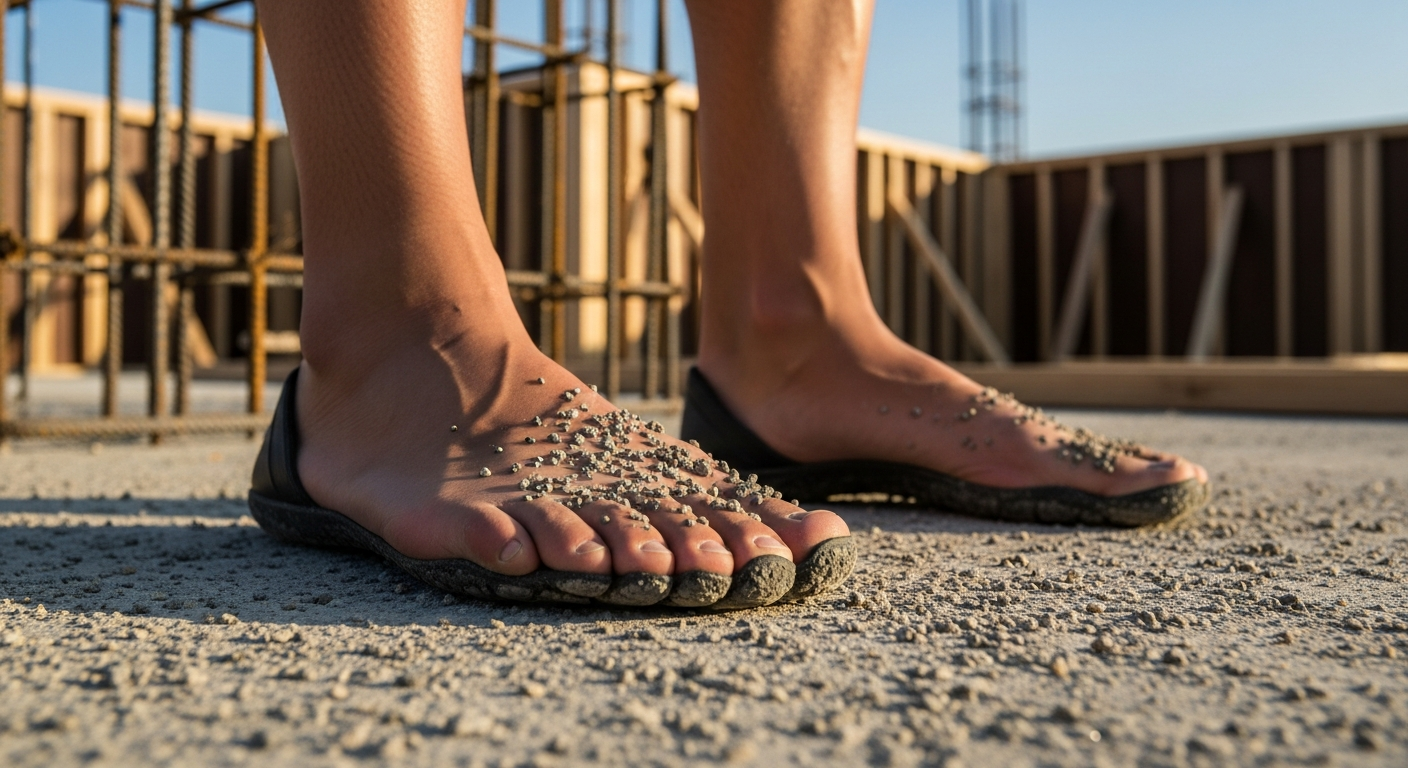
Barefoot steel toe boots are a niche but growing category, offering certified toe protection (steel or composite) combined with minimalist features like a wide toe box, zero-drop sole, and flexible construction. While true 'barefoot feel' is challenging with a safety toe, modern designs prioritize foot health, allowing for natural toe splay and ground feel. Expect to pay between $180-$350 USD for quality options in 2026, with brands like Gaucho Ninja, Freet, and specialized workwear companies leading the innovation.
Why Are Traditional Steel Toe Boots Detrimental to Foot Health?
Before diving into solutions, let's understand the problem. Conventional steel toe boots, while essential for safety, often come with significant drawbacks for foot health:
- Narrow Toe Boxes: The most common culprit. They compress toes, leading to bunions, hammertoes, and neuromas over time. This is exacerbated by the rigid steel cap itself.
- Elevated Heels (Heel Drop): Many work boots have a slight to significant heel, which shifts your body weight forward, alters posture, and can contribute to back, knee, and hip pain.
- Rigid Soles: Thick, inflexible soles prevent your foot's 33 joints and hundreds of muscles from moving and adapting naturally to the terrain. This weakens the foot over time.
- Excessive Cushioning: While seemingly comfortable, too much cushioning disconnects you from the ground, reducing proprioception (your body's sense of position and movement) and making your feet lazy.
- Heavy Construction: The sheer weight of traditional boots can lead to fatigue and altered gait mechanics, putting extra strain on your lower body.
These factors, combined with long hours on your feet, create a perfect storm for chronic foot pain and musculoskeletal issues. For those already committed to a barefoot lifestyle, transitioning into conventional work boots can feel like a major step backward for their foot health.
What Defines a "Barefoot" Steel Toe Boot?
The term "barefoot" in the context of steel toe boots requires a nuanced understanding. True barefoot feel is difficult to achieve with the necessary protective elements. Instead, we look for boots that incorporate the core principles of barefoot footwear to the greatest extent possible, while still meeting safety standards:
- Wide, Foot-Shaped Toe Box: This is paramount. The toe box must allow your toes to splay naturally, uncompressed by the steel or composite safety cap.
- Zero-Drop (Flat) Sole: The heel and forefoot should be at the same height, promoting natural posture and weight distribution.
- Flexible Sole: While a safety boot will never be as flexible as a minimalist sandal, the sole should allow for some natural foot flexion and torsion.
- Minimal Cushioning: Enough to protect against impact on hard surfaces, but not so much that it deadens ground feel and weakens foot muscles.
- Lightweight Construction: Reducing overall boot weight minimizes fatigue and encourages a more natural gait.
The goal isn't to feel every pebble, but to allow your foot to function as nature intended, even within a protective shell.
The Evolution of Barefoot-Friendly Safety Footwear in 2026
The market for barefoot steel toe boots has matured significantly since the early 2020s. Manufacturers are now leveraging advanced materials and design techniques to bridge the gap between safety and foot health. Here's what's new in 2026:
- Advanced Composite Toes: While steel is still prevalent, composite safety toes (often carbon fiber or fiberglass) are gaining traction. They are lighter, non-metallic (beneficial for certain work environments), and can sometimes be molded into more foot-friendly shapes than traditional steel.
- Ergonomic Lasts: Brands are investing in developing lasts (the foot-shaped forms boots are built around) that truly mimic the natural human foot shape, especially in the toe area.
- Flexible Puncture-Resistant Plates: Innovations in sole protection mean thinner, more flexible materials can still meet puncture resistance standards, improving ground feel without compromising safety.
- Direct-Injection Construction: This method can create a more seamless and flexible bond between the sole and upper, enhancing the boot's overall flexibility.
- Increased Material Breathability: New synthetic and natural materials offer better ventilation, crucial for long workdays in protective footwear.
These advancements mean that finding a genuinely foot-healthy safety boot is more feasible than ever before.
Top Barefoot Steel Toe Boot Options for 2026
While the selection is still smaller than conventional work boots, several brands are making significant strides. Here are some of the most promising options available in 2026, categorized by their primary focus:
1. The Dedicated Barefoot Safety Specialists
These brands are built from the ground up with barefoot principles in mind, then integrate safety features.
-
Gaucho Ninja Safety Boots: Often cited as a pioneer in this space, Gaucho Ninja offers several models with a strong emphasis on wide toe boxes, zero-drop, and decent flexibility. Their boots are known for being robust and durable. Expect prices in the $250-$350 range.
- Pros: Excellent foot shape, durable, good ground feel for a safety boot.
- Cons: Limited aesthetic options, can be heavier than some alternatives.
- Best For: Those prioritizing maximum foot health and willing to invest.
-
Freet Safety Line (e.g., Freet Mudee Safety): Freet, a well-known barefoot brand, has expanded into safety footwear. Their designs maintain the characteristic wide toe box and flexible sole. Prices typically range from $180-$280.
- Pros: Lighter weight, good flexibility, comfortable for all-day wear.
- Cons: May not be as heavy-duty as some other options for extreme environments.
- Best For: Light industrial, warehousing, or trades requiring flexibility and comfort.
2. Traditional Workwear Brands Adapting to Wide Toes
Some established work boot brands are beginning to offer 'wide toe' or 'anatomical fit' options, which, while not fully barefoot, are a significant improvement.
-
Keen Utility (Specific Wide Toe Models): Keen has always had a wider toe box than many brands, and some of their Utility line models are now designed with even more room for toe splay. Look for their 'Asymmetrical Toe' or 'Left & Right Anatomical Safety Toe' designs. Prices range from $160-$260.
- Pros: Widely available, trusted brand for durability, good protection.
- Cons: Often still have a slight heel drop, less sole flexibility than dedicated barefoot brands.
- Best For: Those needing robust protection and a wider toe box, but not a full barefoot transition.
-
Timberland PRO (Select Wide Toe Options): Similar to Keen, Timberland PRO is introducing models with improved toe box dimensions. It requires careful research into specific models to find the most foot-friendly options. Expect prices around $170-$280.
- Pros: Excellent durability, classic work boot aesthetics, good support.
- Cons: Still leaning towards traditional construction, limited zero-drop options.
- Best For: Workers accustomed to traditional brands but seeking more toe room.
3. Emerging & Boutique Options
Keep an eye on smaller brands and Kickstarter projects, as this is where much of the innovation happens.
-
Xero Shoes (Potential Future Releases): While Xero Shoes doesn't currently offer a steel toe boot, their commitment to minimalist design and growing product line suggests they are a brand to watch for future developments in this space. Their existing hiking boots (like the Scrambler Mid) demonstrate their capability for durable, protective, yet minimalist designs. If they enter the safety market, expect prices in the $150-$250 range.
- Pros: Known for extreme flexibility and ground feel in their non-safety models.
- Cons: No current steel toe offering.
- Best For: Future-proofing your search, or if you only need non-safety work boots.
Comparison Table: Barefoot-Friendly Steel Toe Boots (2026 Estimates)
| Feature | Gaucho Ninja | Freet Safety | Keen Utility (Wide Toe) | Timberland PRO (Wide Toe) |
|---|---|---|---|---|
| Toe Box Width | Excellent (Anatomical) | Excellent (Anatomical) | Good (Wider than avg.) | Good (Wider than avg.) |
| Heel Drop | Zero-Drop | Zero-Drop | Low (0-6mm) | Low (0-8mm) |
| Sole Flexibility | Good | Very Good | Moderate | Moderate |
| Ground Feel | Good | Very Good | Fair | Fair |
| Safety Toe Type | Steel/Composite | Composite | Steel/Composite | Steel/Composite |
| Price Range (USD) | $250 - $350 | $180 - $280 | $160 - $260 | $170 - $280 |
| Ideal Use | Heavy-duty, max foot health | Light-med duty, flexibility | General work, robust protection | General work, durability |
Navigating Certifications: EN ISO 20345 and ASTM F2413
Want the Best Match for This Use Case?
Browse JOYO models curated for this category, then compare fit, outsole flexibility, and toe-box shape.
View Recommended CollectionWhen choosing any safety footwear, understanding the certifications is crucial. A barefoot-friendly boot must still meet the required safety standards for your industry and region.
-
EN ISO 20345 (Europe & International): This standard specifies basic and additional requirements for safety footwear. Look for ratings like S1, S1P, S3, which denote various levels of protection (e.g., toe protection, energy absorption, puncture resistance, water resistance).
"The EN ISO 20345 standard is a global benchmark for safety footwear. Manufacturers of barefoot-friendly options must prove their designs meet these rigorous tests, especially for impact and compression resistance of the toe cap." - Dr. Anya Zizer, Podiatrist specializing in minimalist footwear.
-
ASTM F2413 (USA): This standard sets minimum requirements for the design, performance, testing, and classification of footwear designed to protect against a variety of workplace hazards. Key markings include I/C (impact and compression resistance), PR (puncture resistance), SD (static dissipative), EH (electrical hazard), and more.
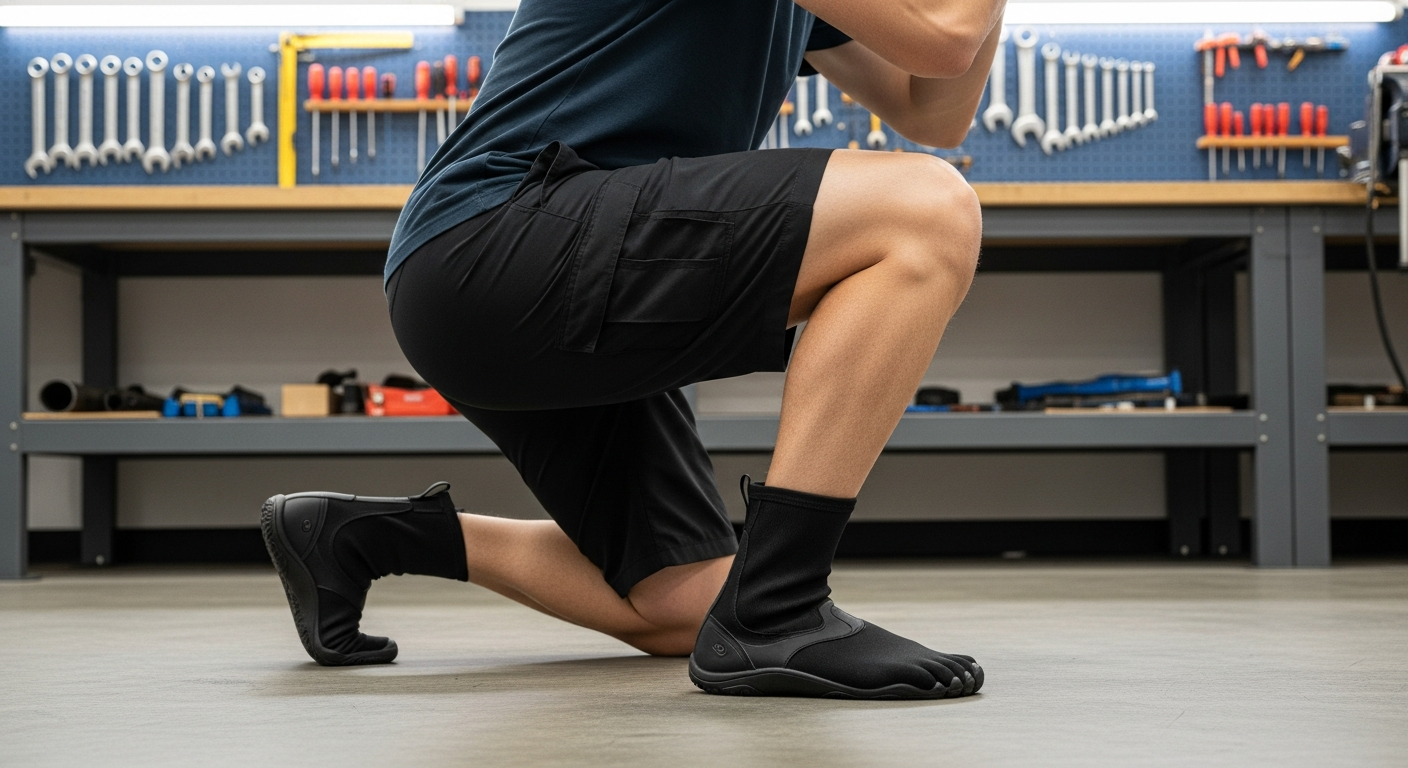
Always verify that any 'barefoot steel toe boot' you consider carries the appropriate certifications for your specific work environment. Do not compromise on safety for foot health; the goal is to have both.
Transitioning to Barefoot Steel Toe Boots: Practical Tips
Even with the best barefoot-friendly safety boots, transitioning from conventional footwear requires a mindful approach. Your feet need time to adapt and strengthen.
- Start Slowly: Don't wear your new boots for a full 8-12 hour shift on day one. Begin with a few hours, gradually increasing wear time over several weeks.
- Strengthen Your Feet: Incorporate foot exercises into your routine. Toe splay exercises, arch lifts, and calf stretches are excellent for preparing your feet for a more natural movement pattern. JOYO Barefoot offers a range of foot strengthening exercises on our blog that can be incredibly beneficial.
- Mind Your Gait: Pay attention to how you walk. Aim for lighter, shorter strides, landing more on your midfoot rather than heavily on your heel.
- Listen to Your Body: Some muscle soreness is normal during transition, but sharp pain is a sign to slow down. If pain persists, consult a podiatrist or physical therapist.
- Consider Insoles (Temporarily): If you're struggling with the minimal cushioning, a thin, zero-drop insole can provide a temporary buffer. However, aim to reduce reliance on it as your feet strengthen.
Remember, the goal is long-term foot health and injury prevention, not a quick fix. Patience is key.
Addressing Common Misconceptions About Barefoot Safety Footwear
The concept of barefoot steel toe boots often raises questions and skepticism. Let's tackle some common misconceptions:
-
"Barefoot means no protection." This is false in the context of safety footwear. Barefoot-friendly safety boots are still fully certified to protect against impact, compression, and puncture hazards. The 'barefoot' aspect refers to the internal foot environment, not a lack of external protection.
-
"They're just glorified sneakers." Absolutely not. These boots are engineered with robust materials, safety toe caps (steel or composite), and often puncture-resistant soles to meet stringent industry standards. They are designed for demanding work environments, not casual wear.
-
"They can't be as durable as traditional boots." Modern materials and construction techniques mean that barefoot-friendly safety boots can be just as durable, if not more so, than many conventional options. Durability depends on the quality of materials and manufacturing, not just the thickness of the sole.
-
"They're too expensive." While the initial investment might be higher than some budget work boots, consider the long-term cost of foot pain, medical treatments, and lost productivity due to issues caused by poorly fitting footwear. Investing in foot health is investing in your overall well-being and career longevity. Prices in 2026 are becoming more competitive as the market grows.
The Future of Foot-Healthy Work Boots
The trend towards more natural, ergonomic footwear is undeniable, and the safety footwear industry is slowly but surely catching up. We anticipate several key developments in the coming years:
- Greater Customization: 3D scanning and printing technologies could lead to truly custom-fit safety toe caps and boot lasts, optimizing the fit for individual foot shapes.
- Smarter Materials: Expect even lighter, stronger, and more flexible materials for both the upper and sole, further enhancing comfort and performance without compromising safety.
- Integrated Sensor Technology: Boots could incorporate sensors to monitor foot health, gait, and even detect early signs of fatigue or injury risk, providing real-time feedback to the wearer.
- Mainstream Adoption: As awareness of foot health grows, more traditional workwear brands will likely offer dedicated barefoot-friendly lines, making these options more accessible.
At JOYO Barefoot, we are excited to see these innovations unfold and continue to advocate for footwear that supports natural movement in all aspects of life, including the workplace.
Before You Buy, Get the Fit Right
Use JOYO's size guide and then continue to the store for your exact barefoot profile.
Open Size Guide Continue to ShopFrequently Asked Questions About Barefoot Steel Toe Boots
Are barefoot steel toe boots truly safe?
Yes, barefoot steel toe boots are truly safe, provided they carry the appropriate safety certifications (e.g., EN ISO 20345 or ASTM F2413) for your specific work environment. The 'barefoot' aspect refers to the internal design promoting natural foot function, not a lack of external protection.
Can I wear barefoot steel toe boots if I have foot conditions like plantar fasciitis?
Many individuals with plantar fasciitis find relief in barefoot-style footwear due to the zero-drop and wider toe box promoting natural foot mechanics. However, it's crucial to transition slowly and consult with a podiatrist or physical therapist to ensure it's appropriate for your specific condition and to manage any initial discomfort.
Are composite toe boots better than steel toe for barefoot principles?
Composite toe boots are often preferred for barefoot principles because they are typically lighter and can sometimes be molded into a more anatomical shape than traditional steel. They also don't conduct heat or cold as much as steel. Both types, however, must meet the same impact and compression safety standards.
Where can I buy barefoot steel toe boots in 2026?
In 2026, you can buy barefoot steel toe boots directly from specialized barefoot brands like Gaucho Ninja and Freet, through their official websites. Some traditional workwear brands like Keen Utility and Timberland PRO also offer specific wide-toe safety models through their retailers and online stores. Online minimalist footwear marketplaces are also a good resource.
How do I choose the right size for barefoot steel toe boots?
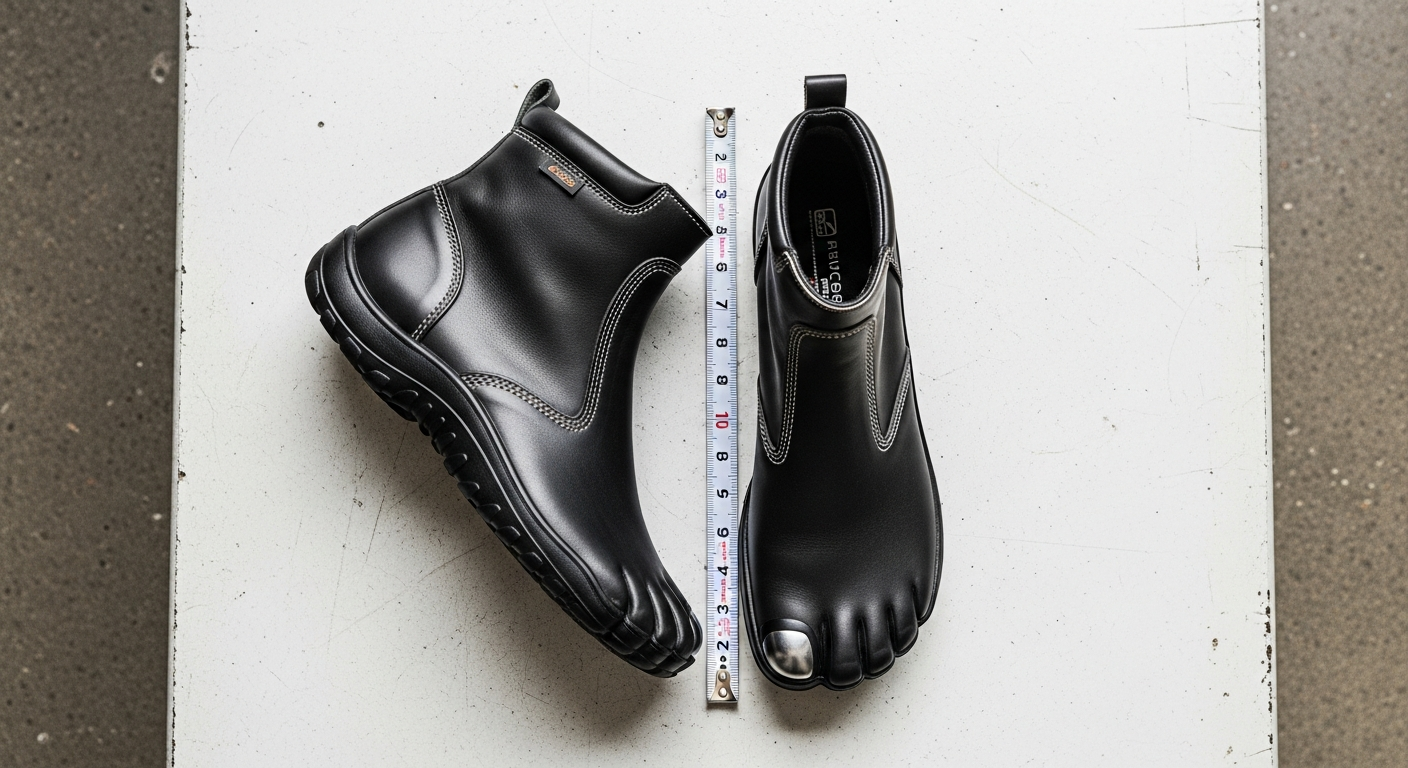
Choosing the right size is critical. Always measure your feet accurately, paying attention to both length and width. Refer to the specific brand's sizing chart, as sizes can vary. Ensure there's ample space (about a thumb's width) in front of your longest toe when standing, and that your toes can splay freely without touching the sides of the toe box.
Embrace Foot Health, Even at Work
The days of sacrificing foot health for workplace safety are behind us. With the advancements in barefoot steel toe boot technology, you no longer have to choose between protecting your feet from hazards and allowing them to move naturally. Investing in quality, foot-healthy safety footwear is an investment in your long-term well-being, posture, and overall quality of life.
At JOYO Barefoot, we champion the philosophy of natural movement for every step you take. While we don't currently offer steel toe boots, our commitment to wide toe boxes, zero-drop designs, and flexible soles across our everyday casual, running, hiking, and kids' collections reflects the very principles that are now making their way into the safety footwear market. Explore our range today and experience the JOYO difference for your natural foot movement.


