
Quick Answer: To truly enjoy barefoot living in 2026, focus on integrating natural foot movement into all aspects of your life, from mindful walking outdoors to selecting the right minimalist footwear for environments where going fully barefoot isn't feasible. Prioritize foot strengthening exercises, progressive adaptation, and understanding the scientific benefits of ground connection for enhanced balance, strength, and overall well-being. JOYO Barefoot offers a range of scientifically designed minimalist shoes to support this journey.
Find Your First Pair of Barefoot Shoes
Explore JOYO Barefoot collections designed for natural foot movement and all-day comfort.
Shop All Barefoot ShoesThe allure of going barefoot has captivated humanity for millennia, yet modern life often pulls us away from this fundamental connection to the earth. In 2026, as awareness of holistic health and natural movement surges, more people are rediscovering the profound benefits of living a barefoot-inspired life. This isn't just about ditching your shoes; it's about re-engaging with your body's innate mechanics, strengthening your feet, and enhancing your overall vitality.
At JOYO Barefoot, we believe that enjoying barefoot living means empowering your feet to move as nature intended. It's a journey, not a destination, and it involves understanding the science, embracing practical steps, and choosing the right tools to support your natural movement, even when fully barefoot isn't an option. Let's dive into how you can truly enjoy barefoot living and thrive in 2026.
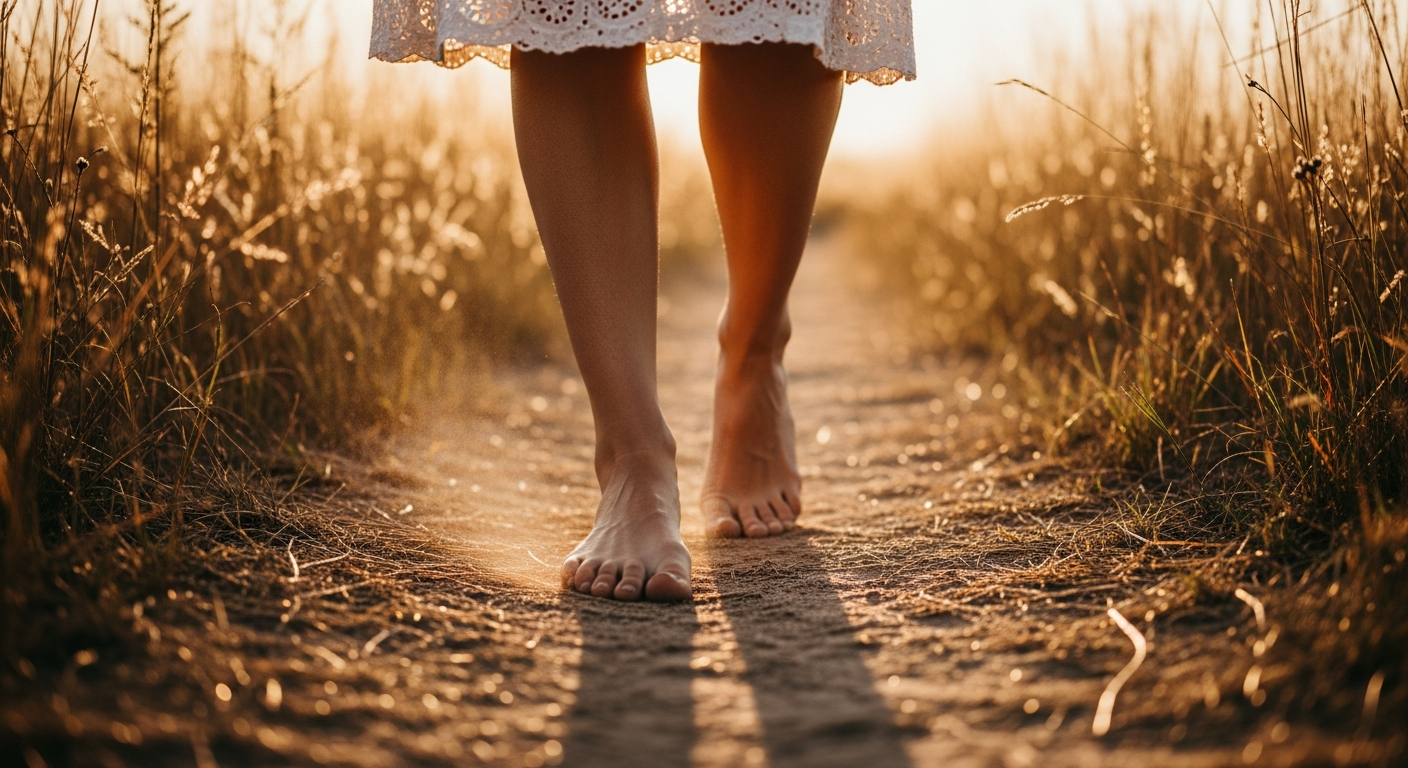
Why Embrace Barefoot Living in 2026? The Science-Backed Benefits
Why are so many health-conscious individuals, from elite athletes to busy parents, turning to barefoot and minimalist lifestyles in 2026? The reasons are rooted in robust scientific understanding of human biomechanics and neurological function.
What are the core advantages of going barefoot or wearing minimalist shoes?
The human foot is an engineering marvel, equipped with 26 bones, 33 joints, and over 100 muscles, tendons, and ligaments. Traditional, restrictive footwear often stifles this intricate system, leading to a cascade of issues. Barefoot living, or the use of minimalist footwear, reawakens these dormant functions.
- Enhanced Proprioception and Balance: Your feet contain thousands of nerve endings that provide crucial sensory feedback to your brain about your body's position in space. Going barefoot allows these receptors to function optimally, improving balance, coordination, and agility. Research published in the Journal of Foot and Ankle Research in 2024 highlighted significant improvements in balance metrics among subjects who regularly engaged in barefoot activities over a six-month period.
- Stronger Foot and Ankle Muscles: Conventional shoes, particularly those with arch support and stiff soles, act like casts, preventing your foot muscles from working. Barefoot movement forces these muscles to engage, strengthening the intrinsic foot muscles, which are vital for supporting the arch and absorbing impact. This directly translates to reduced risk of common foot ailments like plantar fasciitis and bunions.
- Improved Gait and Posture: When you walk barefoot, your stride naturally shortens, and you tend to land more on your midfoot or forefoot, rather than striking heavily on your heel. This more natural gait reduces impact forces on your joints, from your ankles to your spine, and encourages better overall posture. A 2025 study in Gait & Posture demonstrated that individuals transitioning to minimalist footwear exhibited more efficient gait patterns and reduced knee joint loading.
- Better Ground Connection and Stress Reduction: Beyond the biomechanical benefits, many report a profound sense of well-being and reduced stress when connecting directly with the earth. While research on 'earthing' or 'grounding' is still evolving, the anecdotal evidence is compelling, and the simple act of being present and connected to nature has well-documented psychological benefits.
Starting Your Barefoot Journey: Practical Steps for 2026
Ready to experience these benefits? The key is a gradual, mindful transition. Rushing into barefoot living can lead to injury, especially if your feet are accustomed to years of restrictive shoes.
How can beginners safely transition to a barefoot lifestyle?
Think of it like training for a marathon; you wouldn't run 40 kilometers on day one. Your feet need time to adapt and strengthen.
- Start Small and Often: Begin by spending 10-15 minutes barefoot daily on safe, varied surfaces like grass, sand, or smooth indoor flooring. Gradually increase this duration over weeks and months.
- Mindful Walking: Pay attention to how your foot lands. Aim for a softer, lighter step, landing closer to your midfoot. Avoid heavy heel striking. Imagine you're walking on eggshells.
- Foot Strengthening Exercises: Incorporate simple exercises into your routine. Toe splaying, toe curls (picking up marbles with your toes), and calf raises are excellent for building intrinsic foot strength.
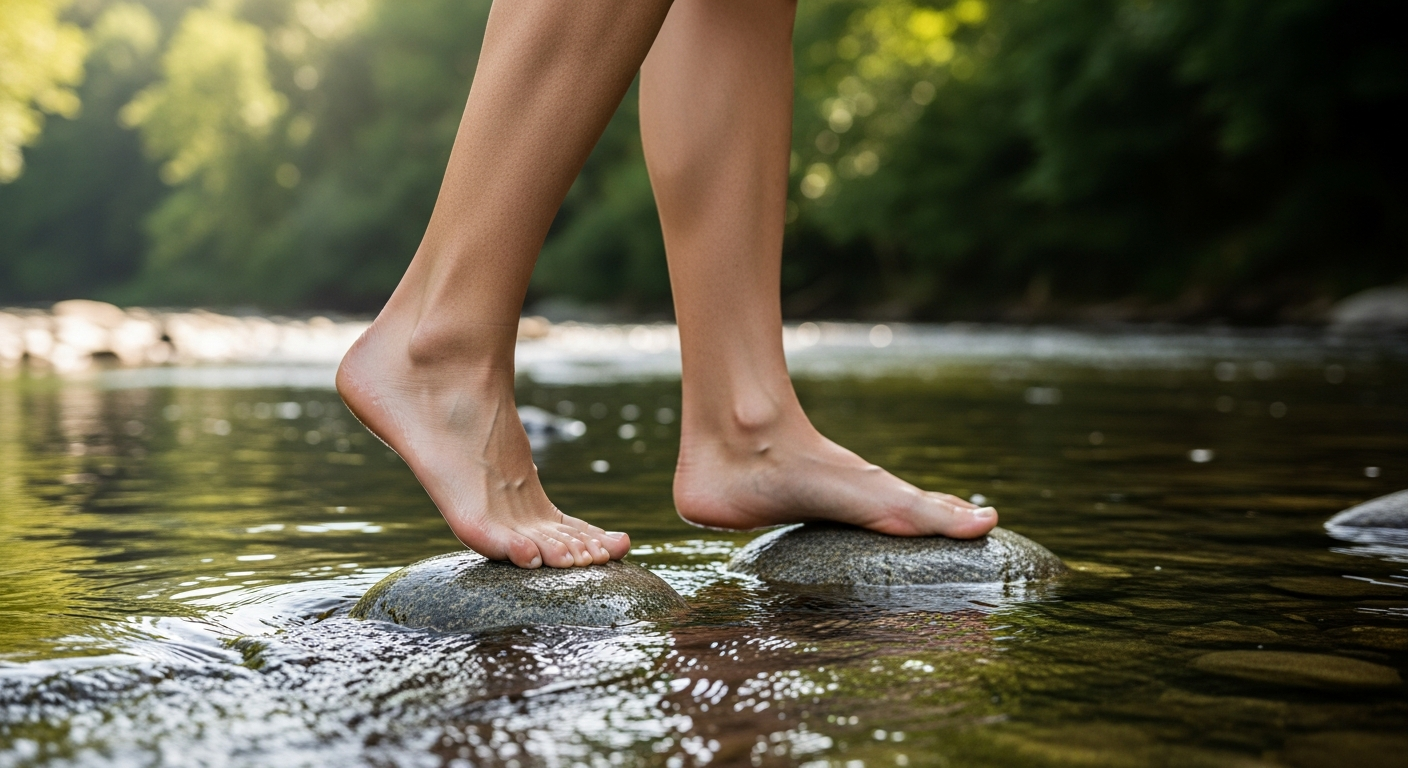
- Progressive Surface Exposure: As your feet get stronger, slowly introduce more challenging textures like gravel paths or uneven trails. This builds resilience and proprioceptive awareness.
- Listen to Your Body: Any pain is a signal to slow down. Rest, reduce intensity, and consult a professional if discomfort persists.
The Role of Minimalist Footwear: When Barefoot Isn't an Option
While going fully barefoot is ideal, it's not always practical or permissible in many public and professional settings. This is where high-quality minimalist footwear, like JOYO Barefoot shoes, becomes indispensable.
What makes a shoe truly minimalist and beneficial for foot health?
A true minimalist shoe respects the natural anatomy and function of the foot. When choosing minimalist footwear, look for these critical features:
- Zero-Drop (Flat Sole): The heel and forefoot are at the same height, promoting a natural posture and balance.
- Wide Toe Box: Allows your toes to splay naturally, preventing compression and bunions. Your toes should not feel squished.
- Flexible Sole: Enables your foot to bend and flex, mimicking barefoot movement and strengthening foot muscles.
- Thin Sole: Provides ground feel (proprioception) while offering protection from hazards.
- No Arch Support: Allows your foot's natural arch to strengthen itself.
- Lightweight: Reduces unnecessary strain and allows for natural movement.
JOYO Barefoot designs all its shoes with these principles at the forefront. Our collections, from everyday casual to high-performance running and hiking shoes, are crafted to provide protection without compromising natural foot function. We believe that you can enjoy barefoot movement, even when wearing shoes.
JOYO Barefoot Collections: Your Partner in Natural Movement
In 2026, JOYO Barefoot offers a diverse range of minimalist footwear to support every aspect of your active life. Our commitment to foot health and natural movement is woven into every design.
Which JOYO Barefoot shoes are right for your lifestyle?
Choosing the right minimalist shoe depends on your activity and environment. Here's a look at how JOYO Barefoot caters to different needs:
Everyday Casual: Comfort and Style for Daily Life
For those looking to integrate barefoot benefits into their daily routine, our casual collection offers stylish options that don't compromise on foot health. Imagine walking to work, running errands, or enjoying a coffee with friends, all while your feet are actively strengthening.
- JOYO Urban Stride: Our most popular casual shoe, featuring a breathable knit upper and a flexible 5mm sole. Perfect for city dwellers. (Price Range: $110-$130 USD)
- JOYO Terra Loafer: A sophisticated option for office or semi-formal settings, offering a sleek look with all the barefoot benefits. (Price Range: $120-$145 USD)
Running: Unleash Your Natural Stride
Transitioning to barefoot running can transform your performance and reduce injury risk. Our running shoes are designed to facilitate a natural midfoot strike and enhance ground feedback, allowing your feet to act as your primary shock absorbers.
- JOYO Sprint Pro: An ultra-lightweight runner with a responsive 4mm sole, ideal for road running and track workouts. Features enhanced grip for varied surfaces. (Price Range: $135-$160 USD)
- JOYO Trail Blazer: Designed for off-road adventures, offering robust protection and superior traction on uneven terrain, while maintaining flexibility and ground feel. (Price Range: $145-$170 USD)
Hiking: Connect with Nature, Safely
Experience the trail like never before. JOYO Barefoot hiking shoes provide the necessary protection and grip for rugged environments, while allowing your feet to adapt to the terrain, improving stability and reducing fatigue.
- JOYO Summit Trekker: A durable, water-resistant hiking boot with a flexible 6mm sole and aggressive lugs for excellent grip on challenging trails. (Price Range: $160-$190 USD)
Kids: Healthy Foot Development from the Start
Children's feet are incredibly pliable and need unrestricted movement for proper development. Our kids' collection ensures that young feet can grow strong and healthy, avoiding the common issues caused by conventional children's shoes.
- JOYO PlayPals: Fun, vibrant, and flexible shoes for active kids, promoting natural movement during play and everyday activities. Available in a range of sizes for toddlers to pre-teens. (Price Range: $65-$85 USD)
Sandals: Freedom for Your Feet
Our minimalist sandals offer the ultimate freedom for warm weather, providing protection without sacrificing ground feel or natural foot movement.
- JOYO Breeze Sandals: Lightweight and adjustable, perfect for beach, casual wear, or light walks. (Price Range: $70-$95 USD)
Addressing Common Misconceptions About Barefoot Living
Want the Best Match for This Use Case?
Browse JOYO models curated for this category, then compare fit, outsole flexibility, and toe-box shape.
View Recommended CollectionDespite growing scientific support, several myths persist about going barefoot or wearing minimalist shoes. Let's debunk some of the most common ones in 2026.
Is going barefoot unsafe or unhygienic?
Many worry about injury or germs, but with proper precautions, these concerns are largely overblown.
Myth 1: Barefoot walking is dangerous and leads to injuries.
Reality: While it's true you need to be mindful of your surroundings, injuries are often a result of improper transition or carelessness, not barefooting itself. Your feet are incredibly resilient. A 2025 review in Sports Medicine concluded that gradual adaptation to barefoot running or minimalist footwear actually reduces the risk of many common running injuries by strengthening the foot and improving biomechanics.
Myth 2: Going barefoot is unsanitary and will make you sick.
Reality: Your skin is an excellent barrier against pathogens. While it's wise to avoid obviously dirty or hazardous areas, walking barefoot on natural surfaces like grass or clean pavement poses minimal health risks. Regular foot washing is always recommended, just as you wash your hands. The risk of serious infection from casual barefoot exposure is statistically very low, especially compared to the benefits of foot health.
Myth 3: Barefoot shoes lack support and will cause arch collapse.
Reality: This is a fundamental misunderstanding of foot mechanics. Your arch is designed to be supported by your own intrinsic foot muscles, not by an external shoe. Providing artificial arch support can actually weaken these muscles over time. Minimalist shoes allow your arch to strengthen naturally, leading to a more robust and resilient foot structure. Think of it like a cast on a broken arm; it supports, but also weakens the muscles over time.
Advanced Tips for the Experienced Barefooter in 2026
For those who have already embraced the barefoot journey, there are always new ways to deepen your connection and optimize your foot health.
How can experienced barefooters further enhance their practice?
Consider these advanced strategies to take your barefoot living to the next level:
- Varied Terrain Training: Actively seek out diverse natural terrains - rocky beaches, forest trails, muddy paths - to challenge your feet and enhance their adaptability and proprioception.
- Balance Board Work: Incorporate balance board exercises into your routine to further strengthen ankle stability and intrinsic foot muscles.
- Toe Spacers: For individuals with bunions or compressed toes, using toe spacers can help restore natural toe alignment over time, especially when combined with barefoot walking.
- Barefoot Sports Integration: If appropriate for your sport, explore opportunities to participate in activities like yoga, martial arts, or even some forms of strength training barefoot to maximize foot engagement.
- Mindful Foot Massage: Regularly massage your feet, paying attention to areas of tension. This can improve circulation and flexibility.
The Future of Foot Health: Why Barefoot is Here to Stay
As we look to the future, the trend towards natural movement and holistic well-being is only gaining momentum. The understanding that our feet are the foundation of our entire kinetic chain is becoming mainstream, moving beyond niche communities to general health and fitness discussions.
In 2026, research continues to validate the benefits of natural foot movement, and innovative brands like JOYO Barefoot are making it easier than ever to integrate these principles into daily life. We are seeing increased adoption in sports, rehabilitation, and everyday fashion.
Embracing a barefoot-inspired lifestyle isn't just a trend; it's a return to our evolutionary roots, a commitment to stronger, healthier feet, and a more connected, vibrant life. Whether you're taking your first tentative steps or are a seasoned barefooter, the journey promises profound rewards.
Before You Buy, Get the Fit Right
Use JOYO's size guide and then continue to the store for your exact barefoot profile.
Open Size Guide Continue to ShopFrequently Asked Questions About Barefoot Living
1. How long does it take to adapt to barefoot shoes?
Adapting to barefoot shoes typically takes anywhere from a few weeks to several months, depending on your current foot strength, prior footwear habits, and how gradually you transition. Start with short periods and slowly increase wear time.
2. Can barefoot shoes help with plantar fasciitis?
Yes, for many individuals, transitioning to barefoot shoes can significantly help with plantar fasciitis by strengthening the intrinsic foot muscles and improving natural arch support. However, it requires a gradual approach and may not be suitable for acute cases without professional guidance.
3. Are JOYO Barefoot shoes suitable for hiking on rocky terrain?
Absolutely. Our JOYO Summit Trekker hiking shoes are specifically designed with a durable, flexible sole and aggressive lugs to provide excellent grip and protection on rocky and uneven terrain, while still allowing for natural foot movement and ground feel.
4. What's the difference between minimalist and traditional athletic shoes?
Minimalist shoes feature a zero-drop sole, wide toe box, thin flexible sole, and no arch support, promoting natural foot movement. Traditional athletic shoes often have a raised heel, narrow toe box, thick cushioned sole, and built-in arch support, which can inhibit natural foot function.
5. Can children wear barefoot shoes all the time?
Yes, children benefit immensely from wearing barefoot shoes all the time, as their feet are still developing. Unrestricted movement, a wide toe box, and a flexible sole promote healthy foot growth, stronger muscles, and better balance, preventing common foot issues later in life.
Ready to Enjoy Barefoot Living? Explore JOYO Barefoot Today!
Your journey to stronger, healthier, and happier feet begins now. At JOYO Barefoot, we're passionate about empowering you to move naturally and experience the incredible benefits of a barefoot-inspired life. Whether you're seeking everyday comfort, performance running shoes, rugged hiking footwear, or foot-healthy options for your children, our collections are designed with your natural movement in mind.
Don't let conventional footwear hold you back. Explore the full range of JOYO Barefoot shoes at joyobarefoot.com and take the first step towards unlocking your full potential in 2026. Your feet will thank you.


