What Exactly is a 'Zero-Drop' Shoe? Your 2026 Expert Guide
Have you ever felt a subtle imbalance in your traditional footwear, a slight forward tilt that just doesn't feel natural? You're not imagining it. Most conventional shoes feature a raised heel, creating what's known as 'heel drop.' But what if there was a better way, a design that honored your foot's natural architecture? Enter the 'zero-drop' shoe.
Find Your First Pair of Barefoot Shoes
Explore JOYO Barefoot collections designed for natural foot movement and all-day comfort.
Shop All Barefoot ShoesAt JOYO Barefoot, we believe in empowering your feet to move as nature intended. Understanding zero-drop is the first step on that journey. In this comprehensive 2026 guide, we'll demystify zero-drop footwear, explore its profound benefits, and help you navigate the transition to a more natural stride.
Quick Answer: What is a Zero-Drop Shoe?
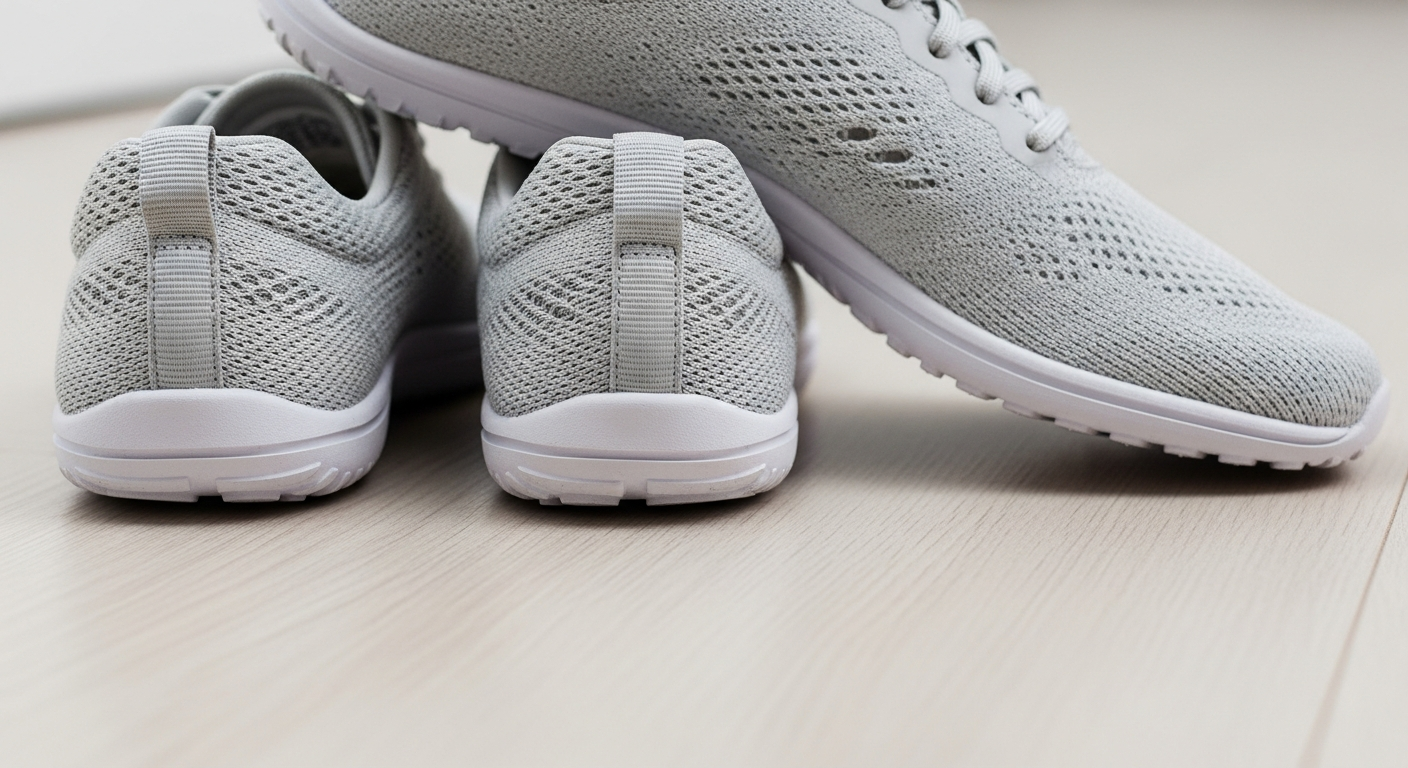
A zero-drop shoe, also known as a 'minimalist' or 'barefoot' shoe, is designed with a completely flat sole from heel to toe. This means there is no height difference between where your heel sits and where your forefoot sits, mimicking the natural position of your foot when you are barefoot. This design promotes a more natural gait, improved posture, and stronger foot muscles, aligning with the principles of natural movement and foot health.
Beyond the Buzzword: Deconstructing 'Zero-Drop'
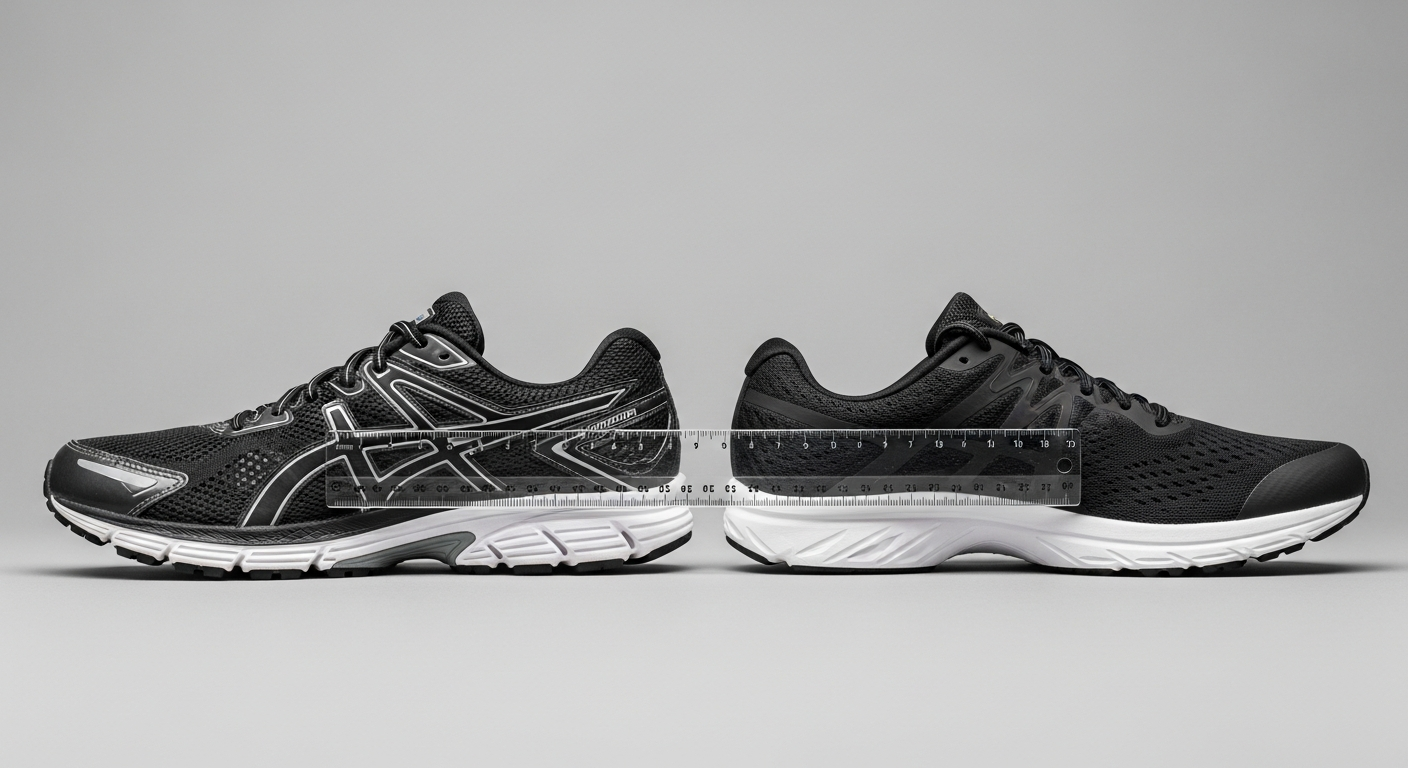
The term 'zero-drop' refers to the heel-to-toe drop, which is the difference in stack height (the amount of material between your foot and the ground) between the heel and the forefoot of a shoe. In conventional athletic shoes, this drop can range from 4mm to 12mm or even more. This seemingly small elevation has significant implications for your body's biomechanics.
Imagine standing barefoot on a flat surface. Your heel and forefoot are on the same plane. This is the natural, anatomically correct position for your foot. A zero-drop shoe replicates this exact sensation, allowing your foot to function as if it were unshod, but with the necessary protection from the elements.
Why Does Heel Drop Matter So Much?
The subtle incline in traditional shoes might seem innocuous, but over years of wear, it can subtly alter your body's alignment and movement patterns. Here's how:
- Altered Posture: A raised heel shifts your center of gravity forward, causing your body to compensate by arching your back or tilting your pelvis. This can contribute to lower back pain and poor posture.
- Calf Shortening: Constant elevation of the heel can lead to a shortening of the Achilles tendon and calf muscles. This reduces ankle flexibility and can increase the risk of injuries like plantar fasciitis.
- Forefoot Pressure: The forward tilt pushes more weight onto your forefoot and toes, potentially leading to issues like bunions, hammertoes, and metatarsalgia.
- Impact Absorption: With a raised heel, many runners tend to strike the ground with their heel first. This 'heel strike' sends a significant shockwave up the leg, which traditional cushioning attempts to mitigate. Zero-drop shoes encourage a midfoot or forefoot strike, which is a more natural and efficient way for your body to absorb impact.
Understanding these fundamental differences is crucial for anyone considering a transition to healthier footwear. It's not just about a shoe; it's about reclaiming your natural movement.
The Undeniable Benefits of Zero-Drop Footwear in 2026
The scientific community, alongside a growing number of podiatrists and physical therapists, is increasingly recognizing the advantages of zero-drop footwear. The benefits extend beyond just your feet, impacting your entire kinetic chain.
1. Promotes Natural Foot Mechanics and Strength
By removing the artificial heel lift, zero-drop shoes allow your foot to spread naturally, engaging all 33 joints, 26 bones, and over 100 muscles, tendons, and ligaments. This active engagement strengthens the intrinsic foot muscles, which are often atrophied in conventional shoes. Stronger feet mean better balance, improved proprioception (your body's awareness in space), and enhanced stability.
Think of it like this: if you wore a cast on your arm for months, your arm muscles would weaken. Similarly, supportive, cushioned, and elevated shoes can act like a cast for your feet, preventing them from doing the work they were designed for.
2. Encourages a Healthier Running Gait
For runners, zero-drop shoes are a game-changer. They naturally encourage a midfoot or forefoot strike, rather than a jarring heel strike. This shift in gait reduces impact forces on the knees, hips, and lower back. Research published in the Journal of Sports Sciences in late 2025 highlighted that runners transitioning to zero-drop minimalist footwear experienced a significant reduction in peak impact forces, leading to fewer repetitive stress injuries over time.
Many elite ultra-runners and trail athletes are now incorporating zero-drop designs into their training and racing, citing improved efficiency and reduced fatigue over long distances. JOYO Barefoot's running collection is specifically engineered to support this natural, efficient stride.
3. Improves Posture and Spinal Alignment
As discussed, a raised heel can throw your body out of alignment. Zero-drop shoes help restore your body's natural posture by allowing your spine to align correctly over your pelvis and feet. This can alleviate chronic back pain, neck stiffness, and even improve breathing mechanics by reducing tension in the torso.
Many JOYO Barefoot customers report feeling a sense of 'groundedness' and improved overall body awareness after consistently wearing zero-drop shoes, even during their daily activities.
4. Enhances Balance and Proprioception
When your foot is flat and close to the ground, it receives more sensory feedback from the surface you're walking on. This increased proprioception helps your brain better understand your body's position in space, leading to improved balance and coordination. This is particularly beneficial for older adults, athletes, and children, who can all benefit from enhanced stability.
For kids, zero-drop shoes are crucial for developing strong, healthy feet and natural movement patterns from a young age. Our JOYO Kids collection prioritizes this foundational development.
5. Reduces Risk of Common Foot Ailments
By strengthening foot muscles and promoting natural mechanics, zero-drop shoes can help prevent and even alleviate common foot problems. Issues like bunions, hammertoes, plantar fasciitis, and Achilles tendonitis are often exacerbated by conventional footwear that constricts the toes, elevates the heel, and over-supports the arch.
A 2024 review in Foot & Ankle International concluded that regular use of minimalist, zero-drop footwear could significantly improve symptoms in patients with chronic plantar fasciitis due to improved foot strength and reduced tension on the plantar fascia.
Zero-Drop vs. Minimalist vs. Barefoot: Understanding the Nuances
These terms are often used interchangeably, but there are subtle distinctions worth noting:
- Zero-Drop: Refers specifically to the heel-to-toe differential (0mm). A shoe can be zero-drop but still have significant cushioning, like some maximalist zero-drop running shoes.
- Minimalist: Encompasses zero-drop but also implies other features like a thin, flexible sole, a wide toe box, and no arch support. The goal is to provide minimal interference with natural foot movement.
- Barefoot: This term often refers to the most extreme end of the spectrum, with shoes that are not only zero-drop, thin, and flexible, but also offer very little cushioning, aiming to simulate being truly barefoot as closely as possible. JOYO Barefoot shoes fall firmly into this category, prioritizing natural ground feel and foot freedom across our casual, hiking, and sandal ranges.
While all barefoot shoes are zero-drop, not all zero-drop shoes are truly minimalist or barefoot. At JOYO Barefoot, our commitment is to the full spectrum of barefoot principles, ensuring all our footwear is zero-drop, wide, and flexible.
Making the Switch: A Phased Approach to Zero-Drop
Transitioning to zero-drop footwear, especially if you've spent years in conventional shoes, requires patience and a gradual approach. Your feet and lower legs need time to adapt and strengthen. Trying to do too much too soon can lead to discomfort or injury.
Phase 1: Start Slow and Low (Weeks 1-4)
- Wear for Short Periods: Begin by wearing your zero-drop shoes for just 30 minutes to an hour a day, perhaps around the house or for short errands. Gradually increase this duration over several weeks.
- Walk, Don't Run: Focus on walking initially. Pay attention to your gait. Aim for a lighter, quicker stride with a midfoot landing. Avoid heel striking.
- Listen to Your Body: Expect some muscle soreness, especially in your calves and feet, as these muscles begin to work in new ways. This is normal. However, sharp pain is a sign to rest and reduce your wear time.
- Incorporate Foot Exercises: Start simple exercises like toe splay, toe curls, and ankle rotations to build strength and flexibility. Consult resources like The Foot Collective for excellent routines.
Phase 2: Gradual Integration (Weeks 4-12)
- Increase Daily Wear: As your feet adapt, you can wear your zero-drop shoes for longer periods throughout the day. Consider alternating between your zero-drop shoes and your old shoes if you need to be on your feet for extended periods.
- Introduce Light Activity: If you're a runner, start with very short, slow runs (e.g., 1-2 km) on soft surfaces like grass or a track. Focus intensely on form. Gradually increase distance and intensity by no more than 10% per week.
- Continue Foot Strengthening: Progress to more challenging exercises. Consider balance boards or walking barefoot on varied natural terrains to further enhance proprioception and strength.
Phase 3: Full Adoption (Beyond 12 Weeks)
- Consistent Wear: By this point, you should be comfortable wearing zero-drop shoes for most of your daily activities and workouts.
- Maintain Foot Health: Continue with regular foot exercises and stretches. Your feet are now stronger, but consistent care will ensure long-term health.
- Explore Different Terrains: With stronger, more adaptable feet, you can confidently tackle various terrains, from urban pavements to challenging hiking trails. JOYO Barefoot's hiking collection is built for this versatility.
Remember, everyone's transition timeline is unique. Be patient, be consistent, and most importantly, listen to your body.
Choosing Your First Zero-Drop Shoes: What to Look For
Want the Best Match for This Use Case?
Browse JOYO models curated for this category, then compare fit, outsole flexibility, and toe-box shape.
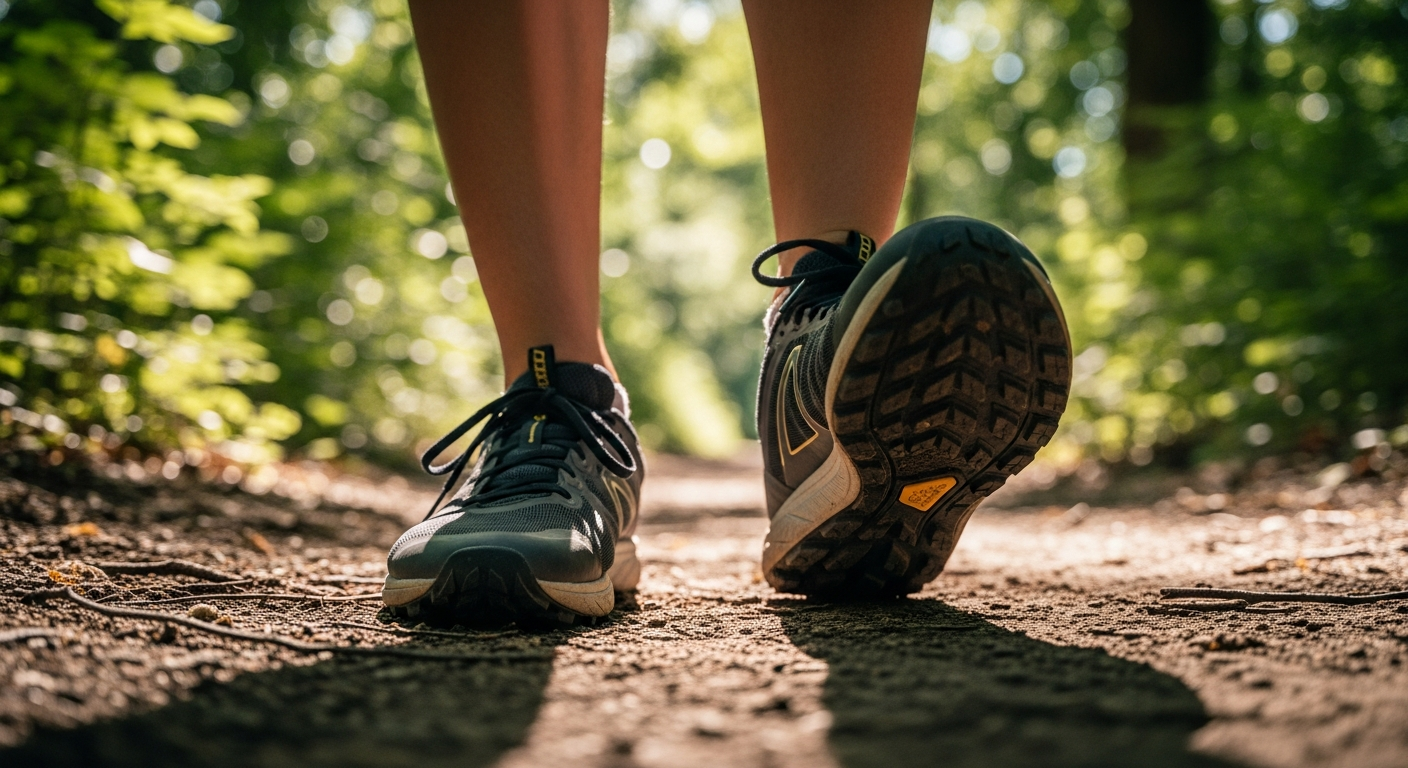
View Recommended CollectionWhen selecting your first pair of zero-drop shoes, consider these key features:
- True Zero-Drop: Double-check the specifications. Some brands might market 'low drop' (e.g., 2-4mm) as zero-drop. At JOYO Barefoot, all our shoes are unequivocally 0mm drop.
- Wide Toe Box: This is critical. Your toes need ample space to splay naturally, not be squeezed together. Look for shoes that are widest at the toes, allowing for proper toe alignment and balance.
- Flexibility: The sole should be flexible enough to bend and twist easily, allowing your foot to move and articulate naturally. It shouldn't feel like a rigid board.
- Thin Sole (Optional, but Recommended): While not strictly part of 'zero-drop,' a thinner sole enhances ground feel and proprioception, which are core benefits of barefoot footwear. JOYO Barefoot shoes feature optimally thin, protective soles.
- No Arch Support: Your foot's arch is a dynamic structure designed to support itself. External arch support can weaken these natural mechanisms. Zero-drop barefoot shoes allow your arch to strengthen naturally.
JOYO Barefoot Recommendations for Beginners (2026 Pricing)
For those new to zero-drop, we recommend starting with our versatile casual or everyday collections. They offer excellent ground feel and flexibility without being overly aggressive in their minimalism.
- JOYO Urban Explorer (Casual): Perfect for daily wear, these stylish zero-drop shoes offer a comfortable introduction. Priced around ₪450 - ₪550.
- JOYO Trail Walker (Light Hiking/Everyday): A robust option for those who want a bit more protection and grip for varied terrain, while maintaining full barefoot feel. Priced around ₪500 - ₪600.
- JOYO Flex Sandals (Warm Weather): Our zero-drop sandals are an excellent way to introduce your feet to natural movement with maximum freedom. Priced around ₪300 - ₪400.
Remember to consult our detailed sizing guides and customer reviews to find the perfect fit.
Common Misconceptions About Zero-Drop Shoes
Despite growing popularity, several myths persist about zero-drop and barefoot footwear:
Misconception #1: Zero-drop shoes offer no cushioning and are bad for your joints.
Fact: While many zero-drop shoes are minimalist and have thin soles, some do offer a degree of cushioning. The key is that the cushioning is evenly distributed from heel to toe, maintaining the zero-drop profile. The natural gait encouraged by zero-drop shoes, with a midfoot strike, is actually less impactful on joints than a heel strike in heavily cushioned traditional shoes.
Misconception #2: You need arch support, and zero-drop shoes don't provide it.
Fact: Your foot has a natural arch designed to be self-supporting. External arch support can weaken the muscles and ligaments that form this arch, making your feet reliant on the shoe. Zero-drop shoes allow your intrinsic foot muscles to strengthen, enabling your arches to function as they were intended.
Misconception #3: Zero-drop shoes are only for runners or athletes.
Fact: While popular among athletes, the benefits of zero-drop footwear extend to everyone. From casual walkers to office workers, parents, and children, anyone seeking improved foot health, posture, and natural movement can benefit. JOYO Barefoot offers styles for every aspect of life.
The Future of Footwear: Why Zero-Drop is Here to Stay
As we move further into 2026, the trend towards natural movement and holistic health continues to accelerate. Consumers are becoming more educated about the impact of footwear on their overall well-being. The demand for zero-drop, wide-toe-box, and flexible shoes is no longer a niche market; it's a growing movement towards healthier living.
Innovations in materials and design are making zero-drop shoes more durable, stylish, and accessible than ever before. Brands like JOYO Barefoot are at the forefront, combining cutting-edge research with timeless design principles to create footwear that truly supports your body's natural capabilities.
Embracing zero-drop footwear isn't just a shoe choice; it's a lifestyle choice that prioritizes long-term foot health, functional strength, and a deeper connection to the ground beneath your feet.
Before You Buy, Get the Fit Right
Use JOYO's size guide and then continue to the store for your exact barefoot profile.
Open Size Guide Continue to ShopFrequently Asked Questions About Zero-Drop Shoes
Are zero-drop shoes good for plantar fasciitis?
Yes, zero-drop shoes can be very beneficial for plantar fasciitis, but a careful transition is crucial. By allowing the foot to move naturally and strengthening the intrinsic foot muscles, they can reduce strain on the plantar fascia over time. However, if you have acute plantar fasciitis, consult a healthcare professional before making the switch, and transition very gradually to avoid exacerbating symptoms.
Can I run in zero-drop shoes immediately?
No, it's strongly advised not to run in zero-drop shoes immediately, especially if you're new to them. Your feet, calves, and Achilles tendons need significant time to adapt and strengthen. Start by walking for several weeks or even months, gradually increasing wear time and introducing very short, slow runs on soft surfaces only when your feet feel ready. Rushing the process can lead to injury.
What is the difference between zero-drop and minimalist shoes?
Zero-drop refers specifically to the 0mm height difference between the heel and forefoot. Minimalist shoes typically embody zero-drop, but also include other features like a wide toe box, thin sole, and high flexibility, aiming for minimal interference with natural foot mechanics. All JOYO Barefoot shoes are both zero-drop and minimalist.
Will zero-drop shoes fix my foot problems?
Zero-drop shoes can significantly contribute to improving many foot problems by allowing your feet to strengthen and function more naturally. They can help address issues stemming from conventional footwear. However, they are not a magic cure. For severe or chronic conditions, always consult with a podiatrist or physical therapist who understands natural foot health principles.
How long does it take to get used to zero-drop shoes?
The adaptation period varies greatly from person to person, typically ranging from a few weeks to several months. Factors like your current foot strength, how long you've worn conventional shoes, and your activity level all play a role. A gradual transition, listening to your body, and incorporating foot strengthening exercises will make the process smoother and more effective.
Step Into Your Natural Stride with JOYO Barefoot
Understanding what a 'zero-drop' shoe is, and its profound impact on your foot health and overall well-being, is the first step towards a more natural and pain-free life. At JOYO Barefoot, we are passionate about providing you with the highest quality, scientifically-backed footwear that supports your body's innate design.
Ready to experience the freedom and strength of natural movement? Explore the full range of JOYO Barefoot zero-drop shoes today. From our stylish everyday casuals to our rugged hiking boots, and our supportive running shoes, we have a zero-drop option for every adventure. Your feet will thank you.
- Lieberman, D., et al. (2010). Foot strike patterns and collision forces in habitually barefoot versus shod runners. Nature.
- Anya's Reviews — definitive guide to barefoot shoes (regularly updated).
- Hollander, K., et al. (2017). Effects of Habitual Footwear Use on Foot Anatomy and Function. Frontiers in Pediatrics.