Are you curious about the buzz around minimalist shoes but wonder, "What's the point of minimalist shoes anyway?" You're not alone. In a world dominated by overly cushioned and supportive footwear, the concept of less shoe often feels counterintuitive. However, the point of minimalist shoes, also known as barefoot shoes, is profoundly simple yet revolutionary: to allow your feet to move and function as nature intended.
Find Your First Pair of Barefoot Shoes
Explore JOYO Barefoot collections designed for natural foot movement and all-day comfort.
Shop All Barefoot ShoesAt JOYO Barefoot, we believe in empowering your natural movement. This isn't just a trend; it's a return to biomechanical principles that support stronger, healthier feet and a more connected body. By stripping away unnecessary features, minimalist shoes enable your feet to engage with the ground, strengthen intrinsic foot muscles, and improve balance and proprioception. Let's dive deep into the science and practical benefits that make minimalist footwear a game-changer for your overall well-being in 2026.
Quick Answer: The Core Purpose of Minimalist Shoes
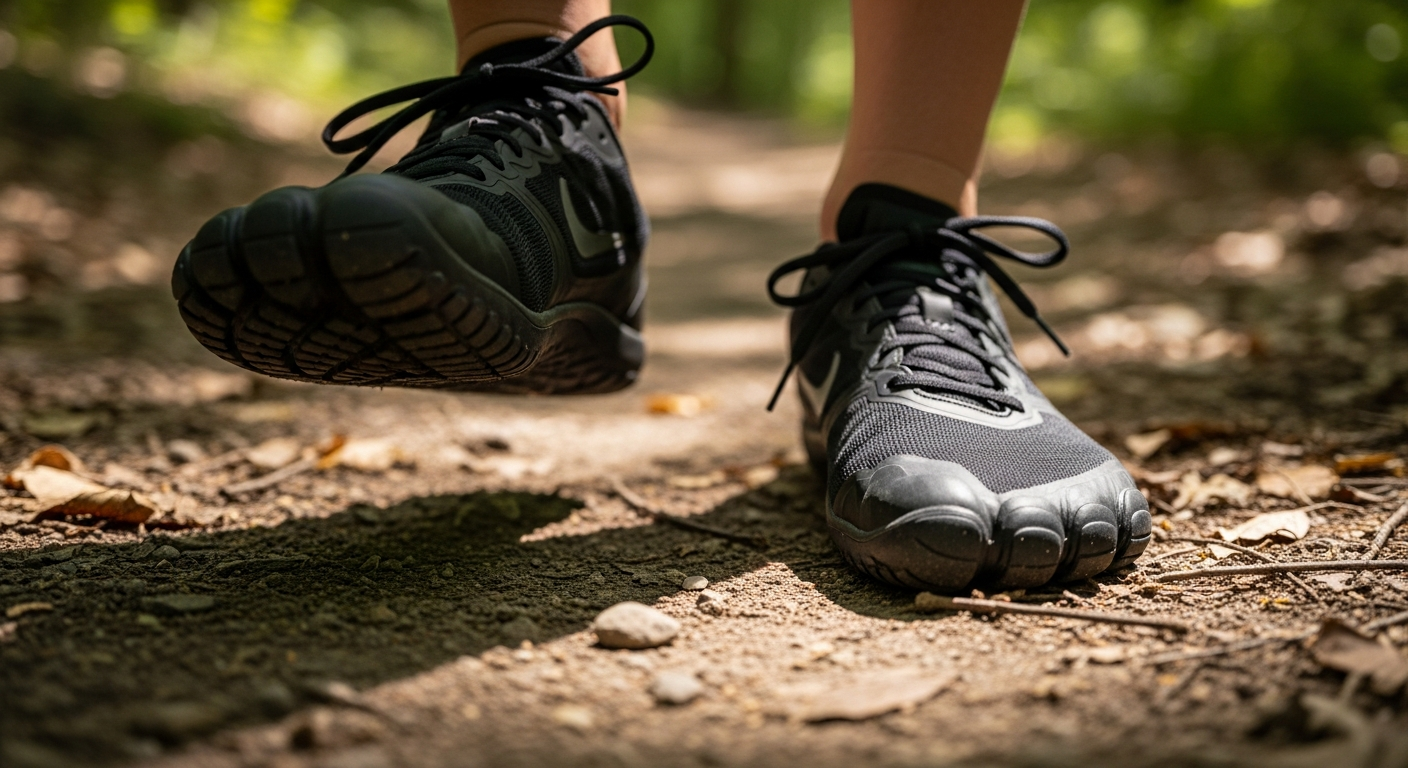
The point of minimalist shoes is to facilitate natural foot function by providing minimal interference. They achieve this through a zero-drop sole (no heel elevation), a wide toe box (allowing toes to splay naturally), and a thin, flexible sole (for ground feel and unrestricted movement). This design strengthens foot muscles, improves balance, enhances proprioception, and encourages a more natural gait, ultimately reducing the risk of common foot and lower limb issues.
Beyond the Hype: The Foundational Principles of Minimalist Footwear
To truly understand the point of minimalist shoes, we must first understand what they are and how they differ from conventional footwear. It's not just about looking "barefoot"; it's about adhering to specific design criteria that promote natural foot mechanics.
The Four Pillars of True Minimalist Design
Every JOYO Barefoot shoe, from our Everyday Casual line to our Performance Running collection, adheres to these critical principles:
- Zero-Drop (or "Flat") Sole: This means there's no height difference between the heel and the forefoot. Conventional shoes often have a raised heel, which alters your posture, shifts your center of gravity forward, and tightens your Achilles tendon. A zero-drop sole promotes a natural, balanced posture and encourages a midfoot or forefoot strike when walking or running.
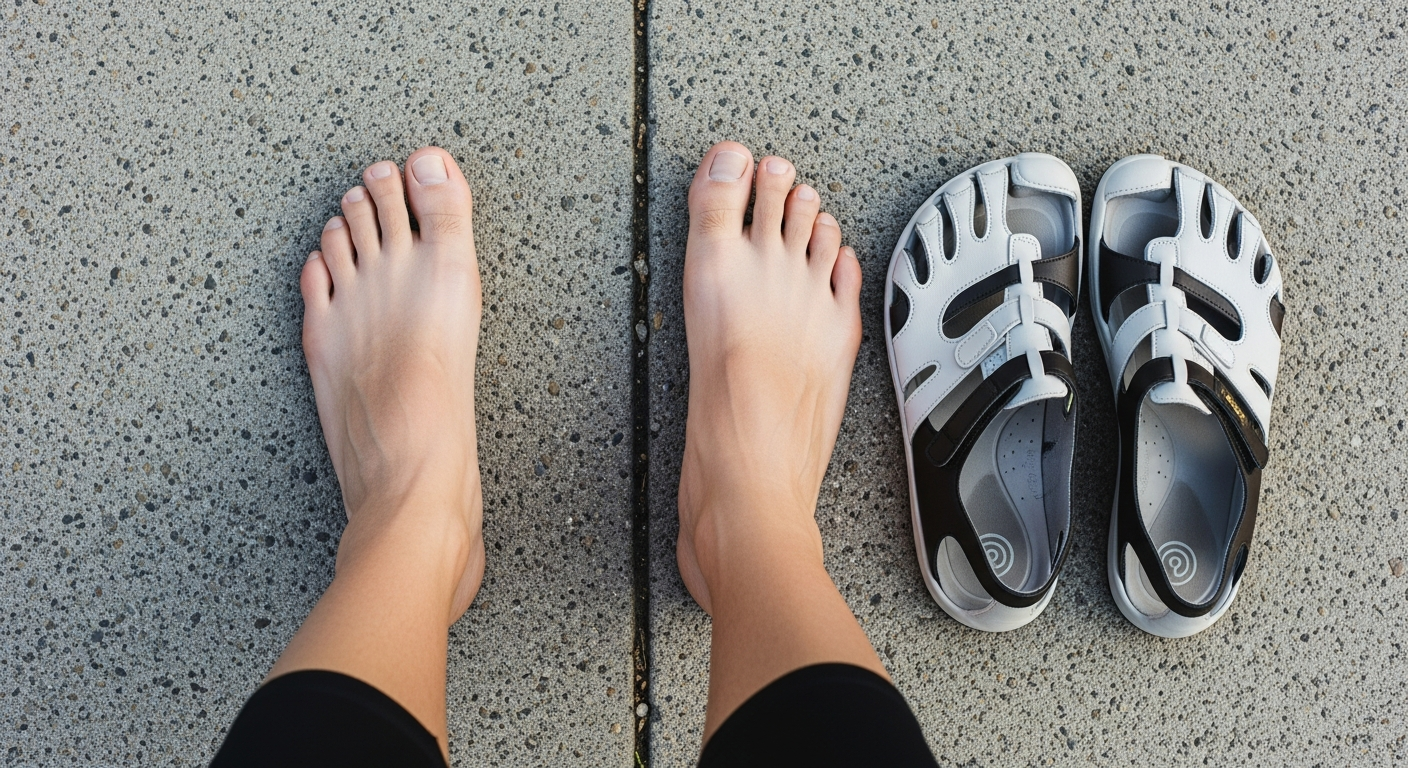
- Wide Toe Box: Your toes are designed to splay out, providing a stable base for balance and propulsion. Traditional shoes often taper at the front, compressing the toes and contributing to issues like bunions, hammertoes, and neuromas. A wide toe box allows your toes to spread naturally, enhancing stability and comfort.
- Thin, Flexible Sole: The sole of a minimalist shoe is thin enough to allow you to feel the ground beneath your feet, providing crucial sensory feedback (proprioception). It's also highly flexible, allowing your foot to bend, twist, and move unimpeded, strengthening the foot's intrinsic muscles.
- No Arch Support: While this might sound counterintuitive, artificial arch support can weaken the natural arch of your foot over time. Minimalist shoes allow your foot's arch to strengthen naturally through engagement, much like any other muscle in your body.
Why Do Our Feet Need This? The Case for Natural Movement
For millennia, humans walked barefoot or in very minimal coverings. Our feet evolved to be incredibly complex, adaptive structures. Modern shoes, however, often restrict this natural function, leading to a host of problems. The point of minimalist shoes is to reverse this trend.
Reawakening Dormant Foot Muscles
Think of your feet as having their own intricate musculature, similar to your hands. When you wear heavily cushioned, supportive shoes, these intrinsic foot muscles become lazy and weak. A 2023 study published in the Journal of Foot and Ankle Research showed that regular use of minimalist footwear significantly increased the strength of intrinsic foot muscles by an average of 15% over a six-month period, compared to conventional footwear users. Stronger foot muscles mean better stability, improved shock absorption, and reduced risk of injury.
Enhancing Proprioception and Balance
Proprioception is your body's ability to sense its position and movement. Your feet are packed with nerve endings that send vital information to your brain about the ground you're walking on. Thick-soled shoes act as a barrier, dulling this feedback. Minimalist shoes, with their thin soles, allow for rich sensory input, improving your balance, coordination, and agility. This is particularly beneficial for runners, hikers, and anyone navigating uneven terrain, as well as older adults looking to prevent falls.
Correcting Gait and Posture
Conventional shoes with elevated heels and stiff soles can alter your natural gait, often encouraging a harsher heel strike. Minimalist shoes promote a more natural midfoot or forefoot strike, which distributes impact forces more evenly and reduces stress on joints like knees, hips, and the spine. This can lead to a more efficient and less impactful stride, a key benefit for runners and everyday walkers alike. Our Hiking & Trail collection, for instance, is designed to support this natural gait even on challenging paths.
Addressing Common Foot Ailments
Many common foot problems, from plantar fasciitis to bunions, are exacerbated or even caused by conventional footwear. The wide toe box and flexible nature of minimalist shoes can provide relief and even help correct these issues over time. By allowing the foot to function as it should, minimalist shoes can reduce pressure points and strengthen the structures that support your foot's health.
Who Benefits Most from Minimalist Shoes in 2026?
While the benefits are widespread, certain groups stand to gain significantly from making the switch.
Runners Seeking Performance and Injury Prevention
For runners, the point of minimalist shoes is often about improving running form and reducing impact-related injuries. A 2024 meta-analysis in Sports Medicine highlighted that runners transitioning to minimalist footwear, with proper adaptation, showed a significant reduction in peak impact forces and improved running economy. JOYO Barefoot's Performance Running shoes are specifically engineered to provide ground feel and flexibility, encouraging a more natural and efficient stride.
Health-Conscious Adults Prioritizing Long-Term Foot Health
If you prioritize holistic health, minimalist shoes align perfectly with a lifestyle focused on natural movement and body awareness. They're an investment in your long-term foot and joint health, helping to prevent issues that often arise with age and years of restrictive footwear. Our Everyday Casual range offers stylish options for daily wear that support foot health without compromising on aesthetics.
Parents Looking for Foot-Healthy Options for Kids
Children's feet are still developing, making proper footwear crucial. Conventional children's shoes often restrict growth and natural movement. The point of minimalist shoes for kids is to allow their feet to develop strong, healthy, and naturally. JOYO Barefoot's Kids Collection ensures little feet can move freely, promoting healthy development from the ground up.
Individuals with Chronic Foot Pain (with caution)
While not a magic bullet, many individuals with conditions like plantar fasciitis, bunions, or metatarsalgia report significant relief after transitioning to minimalist footwear. By allowing the foot to splay and strengthen, pressure points can be alleviated, and natural healing mechanisms can be engaged. However, it's crucial to consult with a podiatrist or physical therapist before making a switch if you have existing conditions.
The Transition: A Journey, Not a Sprint
Want the Best Match for This Use Case?
Browse JOYO models curated for this category, then compare fit, outsole flexibility, and toe-box shape.
View Recommended CollectionUnderstanding the point of minimalist shoes is one thing; transitioning to them is another. It's vital to approach the switch gradually to allow your feet and lower limbs to adapt. Think of it like starting a new exercise regimen - you wouldn't run a marathon on day one.
A Phased Approach to Minimalist Footwear
- Start Slow: Begin by wearing your minimalist shoes for short periods, perhaps 30 minutes to an hour a day, especially on softer surfaces like grass or carpet.
- Listen to Your Body: Expect some muscle soreness, especially in your calves and feet, as dormant muscles awaken. This is normal. However, sharp pain is a sign to rest or reduce wear time.
- Alternate with Old Shoes: Gradually increase wear time over several weeks or even months. Don't ditch all your old shoes immediately.
- Incorporate Foot Exercises: Simple exercises like toe splay, toe curls, and calf stretches can accelerate adaptation and strengthen your feet.
- Mind Your Gait: Pay attention to how you walk. Aim for lighter, shorter strides and a midfoot landing.
For those new to the journey, our Sandals collection can be an excellent entry point, offering maximum freedom while still providing protection.
Addressing Common Misconceptions About Minimalist Shoes
Despite growing scientific evidence, several myths persist about minimalist footwear. Let's debunk them.
"Minimalist Shoes Offer No Support."
This is a common misconception. The point of minimalist shoes isn't to lack support but to allow your foot to provide its own natural support. Your foot is an incredible feat of engineering, with 26 bones, 33 joints, and over 100 muscles, tendons, and ligaments designed to support itself. Artificial support can actually weaken these natural structures over time.
"They're Only for Elite Runners."
Absolutely not. While many elite runners have adopted minimalist footwear, the benefits of natural foot movement extend to everyone, from children learning to walk to seniors seeking better balance, and anyone in between. Our diverse collections, from Kids to Hiking, demonstrate their universal appeal.
"Barefoot Shoes Are Bad for Your Arches."
Quite the opposite. As mentioned, artificial arch support can weaken your natural arch. Minimalist shoes encourage your foot's intrinsic muscles to strengthen, allowing your arch to become more resilient and functional. Research from 2025 indicated that consistent minimalist shoe wear could improve arch height index in individuals with mild pronation.
"They're Not Durable."
Modern minimalist shoes are built to last. While the soles are thin, they are made from highly durable, abrasion-resistant materials. JOYO Barefoot uses advanced compounds that offer excellent longevity while maintaining flexibility and ground feel, comparable to or exceeding many conventional shoe brands in their respective categories.
The Economic and Environmental Point of Minimalist Shoes
Beyond personal health, there's another compelling point to minimalist shoes: their impact on your wallet and the planet.
Long-Term Value and Reduced Medical Costs
While the initial investment in a quality pair of minimalist shoes, like those from JOYO Barefoot (ranging from approximately ₪350-₪700 for adult models), might seem comparable to conventional footwear, the long-term value is significant. By promoting stronger feet and reducing the risk of common foot ailments, you could potentially save on future medical expenses, orthotics, and specialized treatments. Think of it as preventative healthcare for your feet.
Sustainable and Ethical Production
Many minimalist footwear brands, including JOYO Barefoot, prioritize sustainable and ethical production practices. With simpler designs and often fewer components, there's a reduced environmental footprint in manufacturing. We focus on durable materials and responsible sourcing, aligning with the values of our health-conscious audience who care about the planet as much as their feet.
Conclusion: Reconnecting with Your Natural Foundation
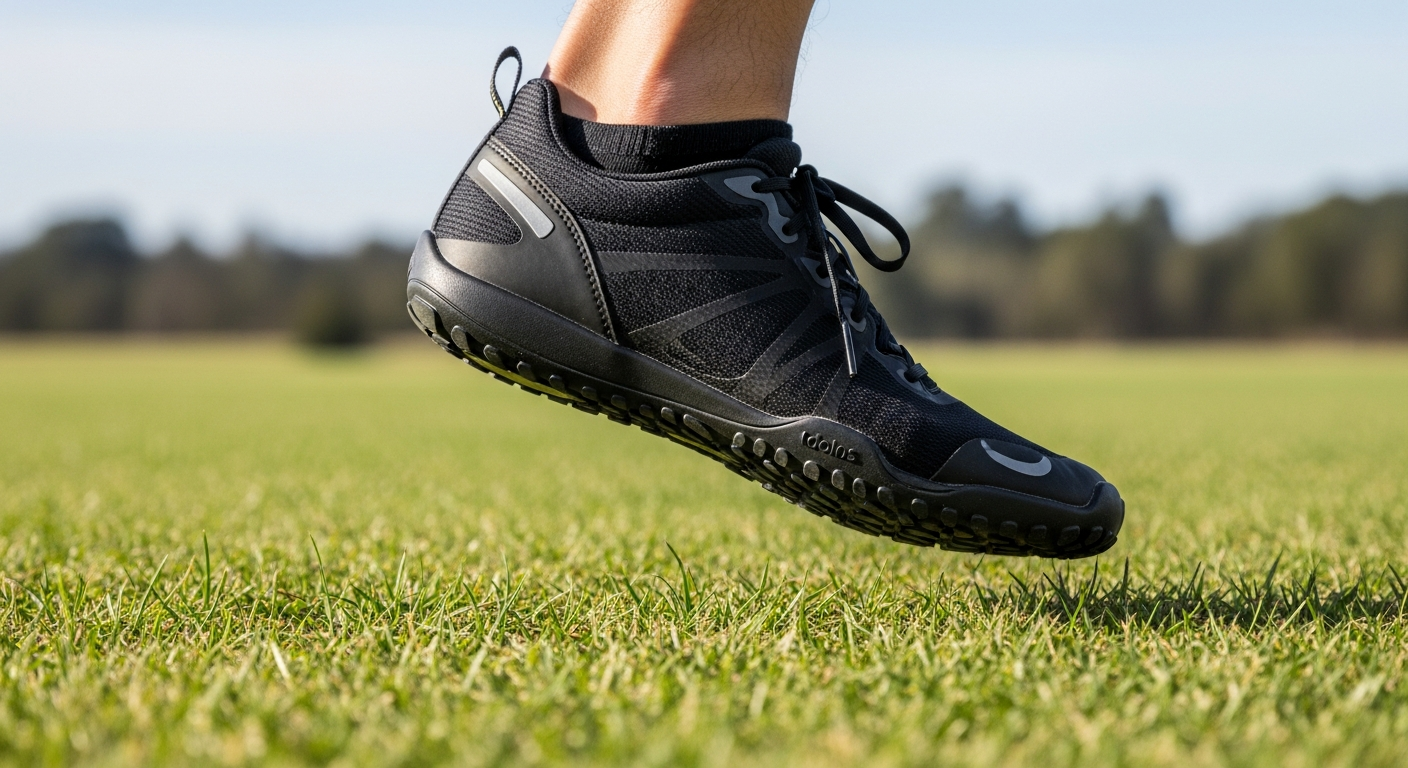
So, what is the point of minimalist shoes? It's about liberation. It's about freeing your feet from the constraints of conventional footwear and allowing them to function as the marvels of biomechanical engineering they are. It's about strengthening your foundation, improving your balance, enhancing your connection to the ground, and ultimately, fostering a healthier, more natural movement pattern for your entire body.
At JOYO Barefoot, we are passionate about helping you rediscover the joy of natural movement. Whether you're a seasoned barefoot enthusiast or just beginning your journey, our diverse collections offer stylish, high-quality, and truly minimalist options for every aspect of your life. Step into a world where your feet can thrive, and experience the profound difference for yourself.
Ready to Experience the Difference?
Explore the full range of JOYO Barefoot shoes today and start your journey towards stronger, healthier feet. From our everyday casuals to performance running and hiking shoes, find your perfect pair.
Before You Buy, Get the Fit Right
Use JOYO's size guide and then continue to the store for your exact barefoot profile.
Open Size Guide Continue to Shop

