Zero Drop vs. Traditional Running Shoes: A Deep Dive for 2026
Quick Answer: Zero drop running shoes feature a completely flat sole from heel to toe, promoting a natural midfoot or forefoot strike and strengthening intrinsic foot muscles. Traditional running shoes typically have a significant heel-to-toe drop (8-12mm), which often encourages a heel strike and relies on cushioning and arch support. The choice between them hinges on your biomechanics, running goals, and willingness to transition gradually to avoid injury.
Find Your First Pair of Barefoot Shoes
Explore JOYO Barefoot collections designed for natural foot movement and all-day comfort.
Shop All Barefoot ShoesIn 2026, the debate between zero drop and traditional running shoes is more nuanced than ever. What was once a niche movement has evolved into a mainstream consideration for runners seeking optimal performance, injury prevention, and a more natural connection with their stride. At JOYO Barefoot, we believe in empowering your natural foot function, and understanding this comparison is crucial for making an informed decision about your footwear.
Let's cut through the marketing hype and delve into the scientific and practical differences between these two distinct footwear philosophies.
What Exactly is 'Heel-to-Toe Drop' in Running Shoes?
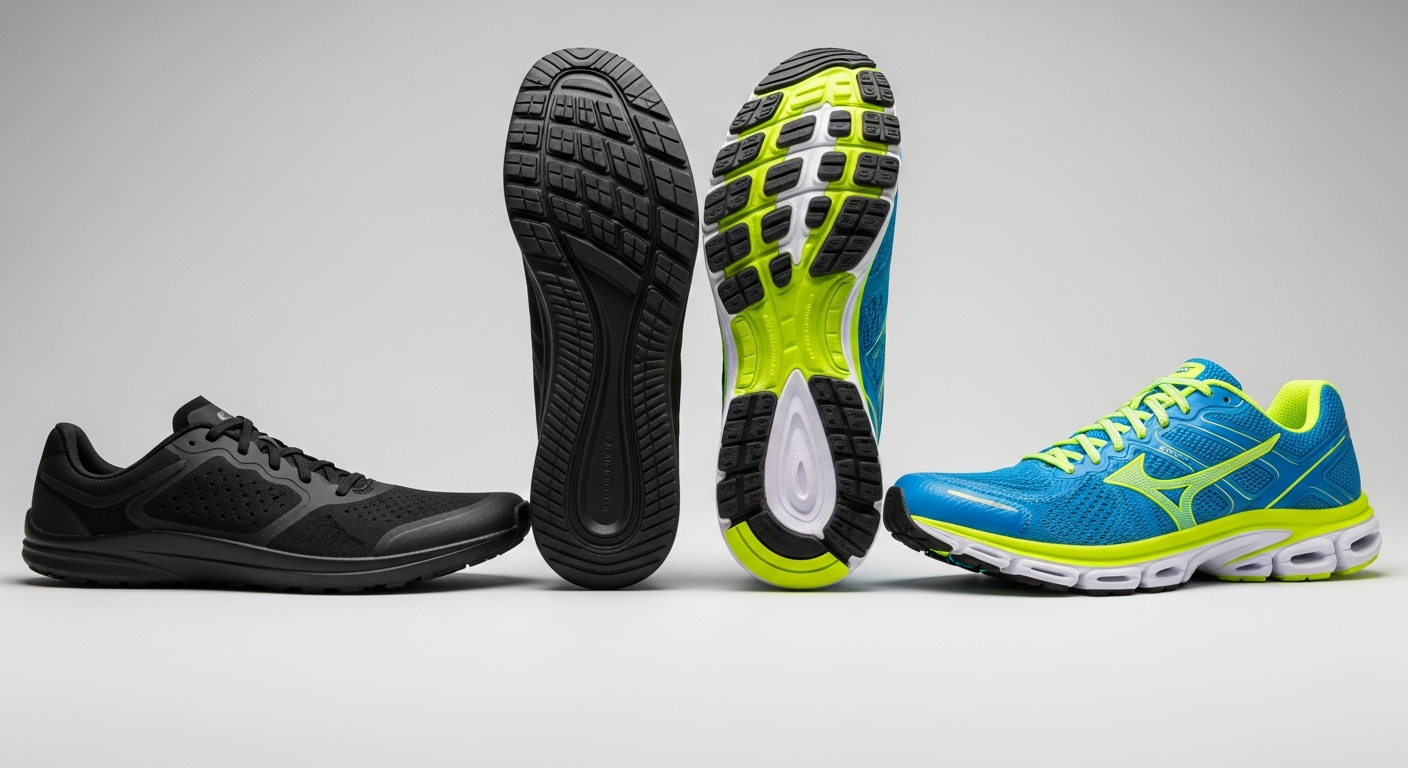
Before we compare, it's essential to define our terms. Heel-to-toe drop, also known as offset, is the height difference between the heel and the forefoot of a shoe. Imagine placing a shoe on a flat surface and measuring the stack height at the heel and then at the ball of the foot. The difference between these two measurements is the drop, typically expressed in millimeters (mm).
- Traditional Running Shoes: Most conventional running shoes feature a drop of 8mm to 12mm. This means the heel is significantly elevated compared to the forefoot.
- Low Drop Running Shoes: These shoes typically have a drop of 4mm to 7mm, offering a more moderate transition.
- Zero Drop Running Shoes: As the name suggests, these shoes have a 0mm drop. The heel and forefoot are at the same height, mimicking the natural position of a barefoot foot.
This seemingly small measurement has profound implications for your running gait, muscle engagement, and overall biomechanics.
The Biomechanical Impact: Zero Drop vs. Traditional Running Shoes
The core difference between zero drop and traditional running shoes lies in how they influence your foot strike and the subsequent kinetic chain up your body. This isn't just about comfort; it's about how your body absorbs impact and generates propulsion.
How Traditional Running Shoes Influence Your Stride
Traditional running shoes, with their elevated heels and often substantial cushioning, are designed to absorb impact, particularly for heel strikers. Here's what happens:
- Heel Strike Encouragement: The elevated heel naturally encourages a heel-first landing. This is often seen as a way to 'cushion' the impact.
- Impact Distribution: While cushioning absorbs some shock, a heel strike often sends a sharp, high-impact force up the leg, through the knee, and into the hips and lower back.
- Muscle Engagement: The elevated heel and often rigid sole can reduce the natural range of motion in the ankle and foot. This can lead to less engagement of the calf muscles, Achilles tendon, and intrinsic foot muscles, potentially weakening them over time.
- Proprioception: Thick cushioning can dampen proprioception, your body's sense of its position in space. This can make it harder for your foot to react naturally to terrain.
- Stability Features: Many traditional shoes incorporate stability features like medial posts to 'correct' pronation. While well-intentioned, these can sometimes override the foot's natural ability to stabilize itself.
How Zero Drop Running Shoes Influence Your Stride
Zero drop running shoes, particularly those with minimalist designs like JOYO Barefoot's running collection, aim to restore natural foot function. They encourage a different kind of interaction with the ground:
- Midfoot/Forefoot Strike: Without an elevated heel, it becomes much more natural and comfortable to land on your midfoot or forefoot. This shifts the impact absorption to the foot's natural arch and the powerful muscles of the calf and Achilles tendon.
- Reduced Impact Peaks: A midfoot strike typically results in a broader, lower-impact force distributed over a longer period, reducing the sharp peaks associated with heel striking.
- Strengthened Foot and Calf Muscles: Landing on the midfoot or forefoot requires greater engagement from the calf muscles, Achilles tendon, and the intricate network of muscles within the foot. Over time, this can lead to stronger, more resilient feet and ankles.
- Enhanced Proprioception: Many zero drop shoes, especially minimalist ones, feature thinner, more flexible soles. This allows for greater ground feel, providing crucial sensory feedback to your brain, which improves balance and agility.
- Natural Foot Splay: JOYO Barefoot zero drop shoes, like many others in the category, often feature a wider toe box. This allows your toes to splay naturally upon impact, providing a stable base and improving balance, much like the roots of a tree.
Key Differences: A Comparison Table for 2026
To summarize the core distinctions, here's a comparison table:
| Feature | Zero Drop Running Shoes (e.g., JOYO Barefoot) | Traditional Running Shoes |
|---|---|---|
| Heel-to-Toe Drop | 0mm (flat from heel to toe) | 8mm - 12mm (heel elevated) |
| Foot Strike Encouraged | Midfoot or forefoot strike | Heel strike |
| Cushioning Level | Varies (from minimal to moderate, but always even) | High cushioning, especially in the heel |
| Flexibility | Typically very flexible, allowing natural foot movement | Often more rigid, especially in the midfoot |
| Toe Box Width | Generally wider, allowing natural toe splay | Often narrower, compressing toes |
| Arch Support | Minimal to none, encourages natural arch function | Pronounced arch support, often rigid |
| Muscle Engagement | Increased work for foot, ankle, and calf muscles | Less intrinsic foot muscle engagement, more reliance on shoe features |
| Proprioception | Enhanced ground feel and sensory feedback | Dampened ground feel due to thick soles |
| Transition Time | Requires significant, gradual transition period | Generally no transition needed if already accustomed |
| Common Injuries (if not transitioned correctly) | Calf strains, Achilles tendonitis, metatarsal stress fractures | Shin splints, runner's knee, plantar fasciitis (can also occur with zero drop if not transitioned) |
The Transition: Why You Can't Just Switch Overnight
This is perhaps the most critical difference and the most common pitfall for new zero drop users. You cannot simply swap your traditional 10mm drop shoes for zero drop ones and expect to run your usual mileage without issues. Your body has adapted to years, perhaps decades, of running in elevated heels.
What Happens During Transition?
- Calf and Achilles Lengthening: Your calf muscles and Achilles tendons have likely shortened due to the constant elevation of your heel in traditional shoes. Zero drop shoes require these structures to lengthen and work through a greater range of motion.
- Foot Muscle Activation: The intrinsic muscles of your feet, often dormant in supportive shoes, will suddenly be called upon to stabilize, absorb impact, and propel you forward.
- Gait Re-patterning: You'll naturally shift from a heel strike to a midfoot or forefoot strike, which changes the mechanics of your entire running form.
Practical Tips for a Successful Zero Drop Transition (2026 Guidelines)
Based on current sports medicine recommendations, a slow, patient transition is non-negotiable. Expect it to take anywhere from 6 weeks to 6 months, depending on your current fitness and mileage.
- Start with Walking: Begin by wearing your zero drop shoes, like the JOYO Barefoot Everyday Casual collection, for short walks around the house or for errands. Gradually increase the duration.
- Incorporate Short Runs: Once comfortable walking, introduce very short runs (e.g., 5-10 minutes) into your routine. Alternate these with your traditional running shoes.
- Listen to Your Body: Pay close attention to any new aches or pains, especially in your calves, Achilles, and the arches of your feet. These are signs you're doing too much too soon.
- Strengthen Your Feet and Calves: Incorporate specific foot and ankle strengthening exercises. Calf raises, toe yoga, and picking up marbles with your toes are excellent starting points.
- Focus on Form: Consciously aim for a lighter, quicker cadence with your feet landing underneath your hips, not out in front. Think 'quiet feet.'
- Gradual Mileage Increase: Increase your zero drop mileage by no more than 10% per week. If you run 20 miles a week, and start with 1 mile in zero drop, only add 0.1 miles the next week. This is a conservative but safe approach.
- Consider a 'Transition Shoe': Some runners find success starting with a low drop shoe (4-6mm) before moving to full zero drop.
Remember, the goal is to build strength and adaptability, not to force a change that leads to injury. Patience is your best friend here.
Who Benefits Most from Zero Drop Running Shoes?
Want the Best Match for This Use Case?
Browse JOYO models curated for this category, then compare fit, outsole flexibility, and toe-box shape.
View Recommended CollectionWhile the benefits of natural foot movement are universal, certain individuals and running goals align particularly well with zero drop footwear:
- Runners Seeking to Improve Form: If you're looking to develop a more efficient, natural midfoot or forefoot strike, zero drop shoes can be a powerful tool.
- Individuals with Chronic Lower Body Pain: Many runners find relief from issues like runner's knee, shin splints, and hip pain by transitioning to zero drop, as it shifts impact away from these areas.
- Athletes Focused on Foot and Ankle Strength: For those who prioritize building robust, resilient feet and ankles, zero drop shoes provide the challenge needed for adaptation.
- Parents Looking for Healthy Kids' Footwear: The JOYO Barefoot Kids collection embodies the zero drop philosophy, promoting natural growth and development without constricting young feet.
- Trail Runners: The enhanced ground feel and stability offered by a wider toe box and flexible sole can be a significant advantage on technical terrain. JOYO Barefoot's hiking collection is designed with this in mind.
Common Misconceptions About Zero Drop Shoes
The rise of zero drop footwear has inevitably led to some misunderstandings. Let's clarify a few:
Misconception 1: Zero Drop Means No Cushioning.
Reality: Not all zero drop shoes are minimalist. While JOYO Barefoot's running shoes offer a flexible, responsive feel, some zero drop brands incorporate significant cushioning, just without the heel elevation. The key is the 0mm drop, not necessarily the stack height. However, truly minimalist zero drop shoes, like those in our running line, offer the most direct connection to the ground and the greatest opportunity for foot strengthening.
Misconception 2: Zero Drop Shoes Are Only for Elite Runners.
Reality: Zero drop footwear is for anyone willing to invest the time in a proper transition. Recreational runners, walkers, and even those new to exercise can benefit, provided they approach it gradually and with proper form guidance.
Misconception 3: Zero Drop Shoes Will Cure All Running Injuries.
Reality: While zero drop can help address injuries stemming from poor biomechanics or over-reliance on cushioning, it's not a magic bullet. Improper transition, overtraining, or pre-existing conditions can still lead to injury. It's a tool to promote natural movement, not a guaranteed fix.
Misconception 4: You Must Run Barefoot to Benefit from Zero Drop.
Reality: Barefoot running can be a great way to learn natural form, but it's not a prerequisite. Zero drop shoes provide protection while allowing your feet to move as naturally as possible, striking a balance between protection and proprioception. JOYO Barefoot shoes are designed to give you that 'barefoot feel' without the risks of truly unshod running.
The JOYO Barefoot Difference: Embracing Natural Movement
At JOYO Barefoot, our entire philosophy is built around the principles of natural foot movement. Our shoes, from the everyday casual to our performance running and hiking lines, are all zero drop, feature a wide toe box, and are incredibly flexible. We believe this design empowers your feet to function as nature intended, leading to stronger, healthier feet and a more joyful, pain-free movement experience.
Whether you're a seasoned runner considering the switch, a parent looking for the best for your child's developing feet, or simply someone interested in better foot health, understanding the zero drop advantage is a vital step. We encourage you to explore our collections and experience the difference for yourself.
Before You Buy, Get the Fit Right
Use JOYO's size guide and then continue to the store for your exact barefoot profile.
Open Size Guide Continue to ShopFrequently Asked Questions About Zero Drop vs. Traditional Running Shoes
Are zero drop shoes better for your knees?
Zero drop shoes can be better for your knees for many individuals because they encourage a midfoot or forefoot strike, which typically reduces the impact forces transmitted up the leg compared to a heel strike. This shift in impact absorption can alleviate stress on the knees, but a proper transition is crucial to avoid other compensatory injuries.
Can I wear zero drop shoes for walking?
Yes, you can absolutely wear zero drop shoes for walking, and it's often recommended as the first step in transitioning to this type of footwear. Walking in zero drop shoes helps your feet and calves gradually adapt to the new foot position and increased muscle engagement without the higher impact of running. JOYO Barefoot's Everyday Casual collection is perfect for this.
What are the disadvantages of zero drop shoes?
The primary disadvantage of zero drop shoes is the significant transition period required. Without a gradual adaptation, users risk injuries like calf strains, Achilles tendonitis, or metatarsal stress fractures due to sudden increased load on unconditioned muscles and tendons. They also may not be suitable for individuals with certain pre-existing foot conditions without professional guidance.
How long does it take to get used to zero drop running shoes?
It typically takes anywhere from 6 weeks to 6 months to fully adapt to zero drop running shoes. The exact duration depends on your individual biomechanics, current fitness level, running history, and the consistency of your transition protocol. Patience and listening to your body are key during this period.
Should I switch to zero drop if I have plantar fasciitis?
Switching to zero drop shoes for plantar fasciitis should be done with caution and ideally under the guidance of a physical therapist or podiatrist. While some individuals find relief as zero drop can strengthen the foot's arch and improve natural mechanics, an improper or too-rapid transition can exacerbate the condition. Gradual strengthening and stretching are critical.
Ready to Experience Natural Foot Movement?
The comparison between zero drop and traditional running shoes isn't about one being inherently 'better' for everyone, but rather about aligning your footwear with your body's natural design. If you're ready to explore the benefits of stronger feet, improved running form, and a deeper connection with the ground, JOYO Barefoot is here to guide you.
Explore our full range of zero drop footwear, from our performance-driven running shoes to our comfortable everyday casual and adventure-ready hiking collections. Your journey to joyful, natural movement starts here.
- Lieberman, D., et al. (2010). Foot strike patterns and collision forces in habitually barefoot versus shod runners. Nature.
- Anya's Reviews — definitive guide to barefoot shoes (regularly updated).
- Hollander, K., et al. (2017). Effects of Habitual Footwear Use on Foot Anatomy and Function. Frontiers in Pediatrics.