
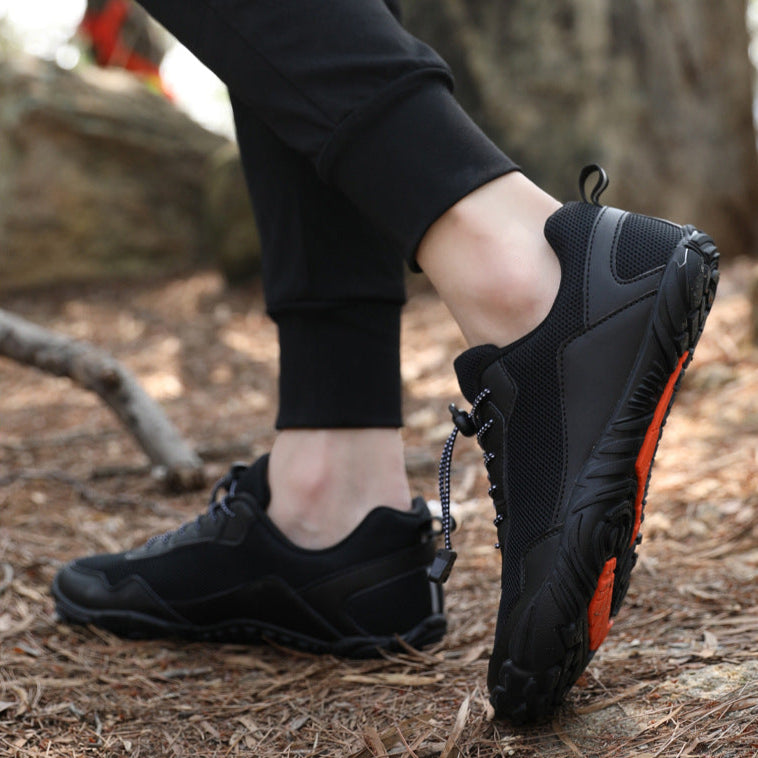
Have you ever wondered what barefoot shoes are and whether they can really make a difference in your foot health? As the trend of minimalist footwear continues to gain popularity, more people are turning to barefoot shoes for a natural walking experience. But what exactly are barefoot shoes, and how do they differ from regular shoes? In this article, we’ll take a deep dive into the world of barefoot shoes, covering everything from their definition and benefits to choosing the right pair for your feet.
Find Your First Pair of Barefoot Shoes
Explore JOYO Barefoot collections designed for natural foot movement and all-day comfort.
Shop All Barefoot ShoesWhether you're an athlete, a fitness enthusiast, or someone simply looking to improve foot health, this guide will help you understand the potential benefits of barefoot shoes and why they may be worth considering for your next pair of shoes.
If you're ready to try barefoot shoes, check out our collection of barefoot shoes designed to help with foot health and comfort.
What Are Barefoot Shoes?
Barefoot shoes are footwear designed to mimic the natural feel of walking barefoot, with a minimalistic structure that promotes the natural movement of your feet. Unlike traditional shoes that often provide thick soles, cushioning, and arch support, barefoot shoes are designed to allow your feet to move more freely, similar to how they would if you were walking without shoes.
Key Characteristics of Barefoot Shoes:
-
Thin Sole: The soles of barefoot shoes are thin, offering minimal cushioning to allow more natural contact with the ground.
-
Wide Toe Box: These shoes often feature a wider toe box, providing more room for your toes to spread out naturally, which can help reduce discomfort and potential foot issues like bunions.
-
Flexible Material: Barefoot shoes are made from flexible, lightweight materials that allow your feet to move freely without restriction.
-
Zero Drop: Barefoot shoes have no heel elevation (unlike traditional shoes with a raised heel), allowing your feet to remain in a neutral position as you walk or run.
-
Lightweight Design: These shoes are typically very lightweight, making them more comfortable and less cumbersome than traditional shoes.
barefoot shoes are designed to promote foot health by enabling the natural motion of the feet, improving balance and posture.
To experience the freedom of barefoot shoes, browse our barefoot shoe collection now.
What Are the Benefits of Barefoot Shoes?
Barefoot shoes are more than just a trend; they offer several potential benefits that can enhance foot health, posture, and overall well-being. Let's take a look at some of the key benefits of barefoot shoes.
-
Enhanced Foot Strength
One of the primary benefits of barefoot shoes is that they help strengthen the muscles in your feet. When wearing traditional shoes with a thick sole and arch support, your foot muscles are not engaged as much because the shoe is doing much of the work. Barefoot shoes, on the other hand, require your foot muscles to work harder, which can lead to stronger feet and better support in the long run. -
Improved Posture and Balance
Barefoot shoes promote better posture and balance by allowing your feet to align with the ground in a natural way. The lack of cushioning and heel elevation means that your body is less likely to lean forward or backward, helping you maintain a more upright posture. This can also reduce the risk of back and joint pain. -
Better Sensory Feedback
Another benefit of barefoot shoes is the improved sensory feedback they provide. The thin soles of barefoot shoes allow you to feel the ground more clearly, enhancing your balance and awareness while walking or running. This sensory feedback can also help you adapt to uneven terrain and improve your overall coordination. -
Reduced Injury Risk
While it may seem counterintuitive, wearing barefoot shoes can reduce the risk of certain injuries. Traditional shoes, particularly those with thick soles and excessive arch support, can lead to over-reliance on cushioning, which might contribute to injuries like shin splints, plantar fasciitis, or joint pain. Barefoot shoes, by encouraging natural foot movement and strengthening the muscles, can help reduce the risk of these injuries over time. -
Prevention of Foot Conditions
Barefoot shoes can also help prevent or alleviate common foot conditions such as flat feet, bunions, and hammertoes. By allowing your toes to spread naturally and promoting a more natural walking motion, barefoot shoes can help correct alignment issues and reduce pressure on problematic areas.
Are Barefoot Shoes Good for Your Feet?
The big question: Are barefoot shoes truly good for your feet? The answer depends on a variety of factors, but generally speaking, barefoot shoes can be beneficial for your foot health in many cases. However, there are also some considerations to keep in mind.
-
Health Benefits
Barefoot shoes can improve foot health by promoting natural foot function and strengthening foot muscles. For individuals who have no existing foot problems or discomfort, barefoot shoes may offer significant benefits by improving alignment, balance, and overall foot strength. -
The Transition Period
If you're used to wearing traditional shoes with cushioning and support, there may be an adjustment period when switching to barefoot shoes. It’s important to transition gradually to allow your feet and legs to adapt to the new movement pattern. Start by wearing barefoot shoes for short periods and gradually increase usage to avoid strain or discomfort. -
Foot Conditions and Barefoot Shoes
While barefoot shoes are great for most people, individuals with certain foot conditions may need to be more cautious. For example, people with severe foot deformities, such as advanced bunions or plantar fasciitis, should consult with a podiatrist before switching to barefoot shoes. In such cases, traditional shoes with more support may be more appropriate.
How to Choose the Right Pair of Barefoot Shoes
Choosing the right pair of barefoot shoes is important to ensuring you reap the full benefits without any discomfort. Here’s what you should consider when selecting your barefoot shoes:
-
Foot Shape and Size
Barefoot shoes should fit snugly but not be too tight. It’s important to choose shoes that allow for natural toe movement and accommodate your foot shape, whether you have wide, narrow, or flat feet. -
Activity Type
Different barefoot shoes are designed for different activities. For example, running barefoot shoes are designed with more durability and flexibility to support running mechanics, while casual barefoot shoes may be lighter and more stylish for everyday wear. Choose the right shoes based on the activities you plan to use them for. -
Material
Look for barefoot shoes made from breathable, flexible materials that will allow your feet to move naturally. Many barefoot shoes are made from natural materials such as leather or fabric, but there are also synthetic options available. -
Price and Quality
Barefoot shoes can range from affordable to high-end, so it’s important to balance price and quality. While some premium brands may offer superior comfort and durability, there are also budget-friendly options that perform well for everyday use.
Common Misconceptions About Barefoot Shoes
Despite the growing popularity of barefoot shoes, there are still several misconceptions about them. Let’s address some of the most common myths:
-
Myth 1: Barefoot Shoes Are Uncomfortable
Some people assume barefoot shoes are uncomfortable because they don't have the cushioning of traditional shoes. However, most people find them surprisingly comfortable once they transition to them, as they allow for more natural foot movement. -
Myth 2: Barefoot Shoes Are Only for Athletes
Barefoot shoes are designed for anyone who wants to improve foot health, not just athletes. Whether you’re looking to reduce foot pain, improve posture, or simply enjoy a more natural walking experience, barefoot shoes can be a great option. -
Myth 3: Barefoot Shoes Will Fix All Foot Problems
While barefoot shoes can help with many foot issues, they are not a cure-all. They are most effective for individuals with mild to moderate foot issues but may not be suitable for everyone, especially those with severe conditions.
Frequently Asked Questions (FAQs)
-
How long does it take to adjust to barefoot shoes?
-
It can take anywhere from a few weeks to a few months to fully adjust to barefoot shoes, depending on your current footwear and foot health.
-
Can barefoot shoes help with foot pain or flat feet?
-
Yes, barefoot shoes can help strengthen foot muscles and improve foot alignment, which may reduce pain and discomfort associated with flat feet.
-
Are barefoot shoes suitable for running?
-
Barefoot shoes are great for running, but it’s important to transition gradually and focus on building foot strength to avoid injuries.
-
Do barefoot shoes offer enough protection for outdoor activities?
-
Barefoot shoes are designed for light outdoor activities, but for rugged terrains or extreme conditions, you may need shoes with more protection.
Conclusion
So, barefoot shoes offer a unique and natural way to improve foot health, posture, and overall movement. While they may not be suitable for everyone, especially those with certain foot conditions, they provide significant benefits for many individuals, particularly in terms of strength, balance, and alignment. If you're considering making the switch, take your time to choose the right pair and allow for a gradual transition. Barefoot shoes could be the key to a more comfortable, healthier way of walking.
Are you ready to try barefoot shoes? Start by finding the perfect pair and feel the difference it makes in how you move and feel throughout the day.
Want the Best Match for This Use Case?
Browse JOYO models curated for this category, then compare fit, outsole flexibility, and toe-box shape.
View Recommended CollectionBefore You Buy, Get the Fit Right
Use JOYO's size guide and then continue to the store for your exact barefoot profile.
Open Size Guide Continue to Shop- Lieberman, D., et al. (2010). Foot strike patterns and collision forces in habitually barefoot versus shod runners. Nature.
- Anya's Reviews — definitive guide to barefoot shoes (regularly updated).
- Hollander, K., et al. (2017). Effects of Habitual Footwear Use on Foot Anatomy and Function. Frontiers in Pediatrics.