Vegan Barefoot Shoes: Best Cruelty-Free Options for 2026
Are you searching for the perfect blend of ethical manufacturing, natural foot health, and uncompromising performance in your footwear? As the world shifts towards more conscious consumption, the demand for vegan barefoot shoes has exploded. But navigating the vast landscape of cruelty-free options in 2026 can be complex, especially when considering environmental impact, durability, and true barefoot feel.
Find Your First Pair of Barefoot Shoes
Explore JOYO Barefoot collections designed for natural foot movement and all-day comfort.
Shop All Barefoot ShoesAt JOYO Barefoot, we understand your commitment to both animal welfare and optimal foot health. This comprehensive guide cuts through the noise, offering expert insights into the best vegan barefoot shoes available today, addressing critical questions about materials, longevity, and real-world performance that other guides miss.
Quick Answer: Top Vegan Barefoot Shoe Picks for 2026
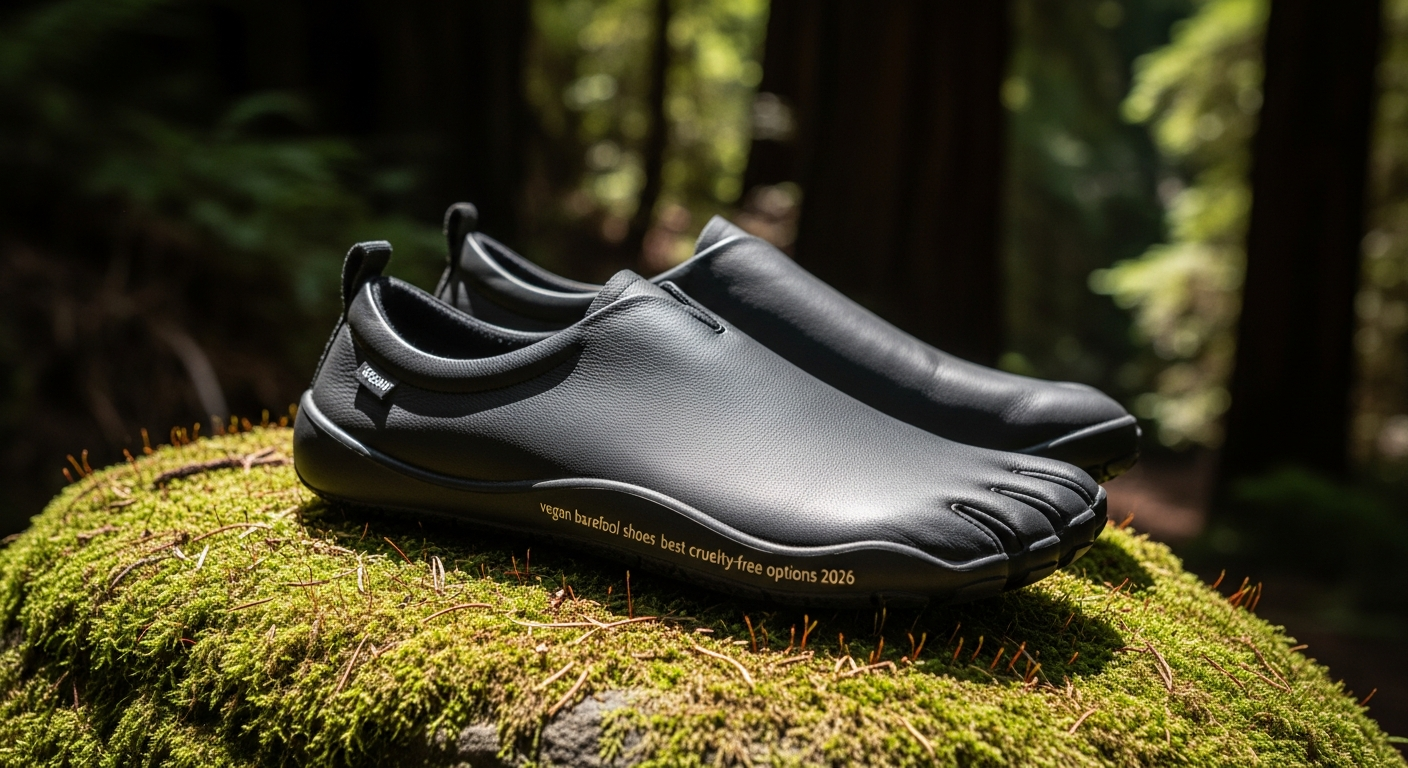
For those seeking a quick overview, here are some of our top recommendations for vegan barefoot shoes in 2026, balancing ethical production with superior foot health benefits:
- Everyday & Casual: Feelgrounds Original Knit, Xero Shoes Prio Neo
- Running & Trail: Merrell Vapor Glove 6, Vivobarefoot Primus Trail III All Weather FG
- Hiking: Lems Trail Blazer, Freet Flex 2
- Budget-Friendly: Whitin Minimalist (starting around $30)
- Innovative Bio-Leathers: Fleeters (grape skin leather), brands exploring cactus leather
Beyond the Label: Understanding Vegan Materials in 2026
When we talk about vegan barefoot shoes, we're primarily discussing alternatives to animal-derived materials like leather, wool, and silk. In 2026, these alternatives fall into two main categories: synthetic (plastic-based) and plant-based (bio-leathers).
The "Plastic Paradox": Are Synthetic Vegan Shoes Truly Eco-Friendly?
Many vegan shoes rely on synthetic materials like polyurethane (PU), PVC, and recycled polyester. While these options are undeniably cruelty-free, a significant environmental question arises: Is buying a plastic-based barefoot shoe actually better for the environment than ethically sourced, biodegradable leather?
The truth is nuanced. Synthetic leathers, while avoiding animal products, often contribute to microplastic shedding and are not biodegradable. This means they can persist in landfills for centuries. Brands like Ahinsa, Saguaro, Feelgrounds, and Whitin often utilize these plastic-based alternatives.
However, advancements in recycled materials are making a difference. For example, the Merrell Trail Glove 7 features a midsole constructed from 30% recycled EVA foam, a step towards reducing virgin plastic use. When choosing synthetic, prioritize brands that explicitly state their use of recycled content and robust, long-lasting materials to maximize the shoe's lifespan and minimize its environmental footprint.
The Rise of Bio-Leathers: Durability and Performance in Plant-Based Materials
The most exciting development in vegan footwear for 2026 is the rapid innovation in plant-based bio-leathers. These materials, derived from sources like cactus, grape skins, pineapple leaves, and mushrooms, offer a compelling alternative to both animal leather and traditional synthetics.
Brands like Fleeters are already incorporating grape skin leather, and others are exploring cactus leather. But how do these innovative materials hold up in terms of durability compared to traditional synthetics or real leather? Early indications suggest significant promise. While some first-generation bio-leathers had limitations, the 2026 iterations are engineered for improved scuff resistance, flexibility, and overall resilience.
For instance, cactus leather is known for its strength and soft texture, making it suitable for everyday wear and even moderate hiking. Grape skin leather offers a supple feel. While they may not yet match the extreme abrasion resistance of a high-grade hiking leather, they are rapidly closing the gap. When considering bio-leather options, look for brands that provide specific durability testing results or offer extended warranties, as this indicates confidence in their material's performance.
Odor Management and Breathability: A Key Consideration for Vegan Barefoot Shoes
One common concern with synthetic vegan materials, especially in closed-toe shoes, is breathability and odor management. Unlike natural leather, which can breathe and wick moisture, many synthetic leathers are notoriously unbreathable, leading to sweat and odor buildup, particularly when worn without socks - a common practice with barefoot shoes.
While mesh-based vegan shoes (like many running models) offer excellent breathability, synthetic leather casual shoes require more attention. Some brands, like Merrell with their Trail Glove 7, incorporate “Cleansport NXT odor control” technology, which uses natural microbes to break down odor-causing bacteria. For other synthetic options, consider:
- Moisture-wicking insoles: Replace standard insoles with those designed to manage sweat.
- Regular airing: Always air out your shoes thoroughly after each wear.
- Foot hygiene: Maintain excellent foot hygiene, especially if going sockless.
- Natural deodorizers: Use cedar shoe inserts or baking soda to absorb odors.
Top Vegan Barefoot Shoe Recommendations for 2026
Let's dive into specific models and brands that stand out in the vegan barefoot shoe market this year.
Everyday & Casual Wear
- Feelgrounds Original Knit: Known for their stylish, minimalist aesthetic and comfortable knit uppers. Offers 0mm drop and excellent ground feel. You can often find a 5% discount on Feelgrounds shoes.
- Xero Shoes Prio Neo: A versatile, lightweight option for daily wear and light activity. Weighs 14.6 ounces (women's) to 17.4 ounces (men's) per pair, with a 0mm drop and a total stack height of about 9mm (5.5mm sole + 3mm insole). The original Prio retails for $100, while the Prio Neo is $120.
- Ahinsa Shoes: A pioneer in vegan barefoot footwear, offering a range of casual and dressier options made from durable synthetic materials. Enjoy 10% off with certain promotions.
Running & Trail
- Merrell Vapor Glove 6: A fantastic choice for road and light trail running. Features a 0mm drop and a 14mm stack height. Typically retails for $100-$110, but can be found on sale for $85 (15% off). Expect a lifespan of approximately 6 months when running 3-5 miles, 3 days a week.
- Vivobarefoot Primus Trail III All Weather FG: Designed for rugged trails, offering excellent grip and weather protection. Retails for $170, with discounts sometimes bringing it down to $111-$150. Vivobarefoot offers a 6-month sustainable warranty. The Primus Lite 3.5, a lighter training shoe, costs $150 and weighs 18.9 ounces (women's) to 15.9 ounces (men's) per pair. You can often get 15% off Vivobarefoot.
- Xero Shoes HFS II: A popular running shoe with a 0mm drop, weighing 13.4 ounces (women's) to 16.6 ounces (men's) per pair.
Hiking & Outdoor Adventures
- Lems Trail Blazer: A fully vegan option known for its comfort and versatility on trails. The Primal Zen and Primal 3 models retail for $229.99.
- Freet Flex 2: Another 100% vegan model suitable for hiking, offering flexibility and ground feel. Enjoy 10% off Freet shoes.
- Bedrock Cairn Evo Sandals: While not a closed-toe shoe, these sandals are excellent for warm-weather hiking, featuring a 0mm drop and weighing 15.6 ounces per pair. Bedrock also stands out with its Re-Soul program, extending the life of your sandals.
Budget-Friendly Options
- Whitin Minimalist: A standout for affordability, starting at just $30. While these use plastic-based vegan alternatives, they offer an accessible entry point into barefoot footwear.
Durability, Lifespan, and End-of-Life for Vegan Barefoot Shoes
One of the most critical aspects of sustainable consumption is product longevity. How long will your vegan barefoot shoes last, and what happens when they reach the end of their life?
Warranties and Expected Lifespan
- Xero Shoes: Offers an impressive 5,000-mile sole warranty, demonstrating confidence in their durability.
- Vivobarefoot: Provides a 6-month sustainable warranty, guaranteeing replacement if the shoe fails under normal exercise conditions.
- Merrell Vapor Glove 6: As noted, expect around 6 months of active running use (3-5 miles, 3 days a week).
These benchmarks provide a good indication, but individual experiences will vary based on usage intensity and care.
End-of-Life Disposal and Resoling: A Call for Circularity
What happens when your synthetic vegan shoes wear out? This is a significant gap in current discussions. Can they be repaired by a standard cobbler? Are they destined for a landfill, or do specific vegan brands offer recycling take-back programs?
Traditional cobblers may be able to resole some vegan shoes, especially those with stitched constructions. However, many synthetic shoes are cemented, making resoling difficult or impossible. This is where brands with explicit circularity initiatives shine:
- Vivobarefoot: Designs are nearly fully recyclable, and they have take-back programs.
- Bedrock Sandals: Their Re-Soul program is a fantastic example of extending product life.
When purchasing, inquire about a brand's end-of-life policies. Support brands actively working towards take-back, repair, or recycling programs to minimize environmental impact.
Addressing Unaddressed Scenarios: Specialized Vegan Barefoot Footwear
Want the Best Match for This Use Case?
Browse JOYO models curated for this category, then compare fit, outsole flexibility, and toe-box shape.
View Recommended CollectionHeavy-Duty and Safety Work Environments
For vegan factory workers, construction workers, or anyone requiring occupational safety standards, finding barefoot shoes with composite or steel toes can be challenging. While still a niche, the market is slowly expanding. Look for brands that explicitly state compliance with safety standards like OSHA or EN ISO 20345. Currently, most mainstream barefoot brands do not offer safety-rated options, but some specialized workwear brands are beginning to incorporate minimalist designs with vegan safety components. Researching industrial safety suppliers that offer vegan options and then checking for zero-drop, wide toe box characteristics is your best approach.
Extreme Freezing Temperatures
When temperatures plummet, how do synthetic and plant-based vegan leathers perform? Do they stiffen, crack, or become dangerously cold? Unlike animal-based wool insulation, synthetic insulations can sometimes compress over time, reducing warmth. Synthetic leathers may also become less flexible in extreme cold, potentially leading to cracking if not specifically engineered for low temperatures.
For extreme cold, consider:
- Multi-layered synthetic insulation: Look for boots with advanced synthetic insulation designed for sub-zero conditions.
- Waterproof and windproof membranes: Essential to prevent heat loss.
- Thicker soles: While still maintaining flexibility, a slightly thicker sole (like the Xero Z-Trail's 10mm cushion) can offer more insulation from the frozen ground compared to ultra-minimalist options (like the Z-Trek's 5.5mm sole).
- Thermal insoles: Add aftermarket thermal insoles for an extra layer of protection.
Always prioritize shoes explicitly rated for cold weather, and test them in milder cold before venturing into extreme conditions.
JOYO Barefoot's Commitment to Ethical and Healthy Footwear
At JOYO Barefoot, we are passionate about providing footwear that supports natural foot movement while aligning with your values. While our current collections focus on high-quality, durable materials, we are continuously researching and developing options that meet the highest standards of ethical sourcing and environmental responsibility. Our Everyday Casual and Running collections are designed with natural movement in mind, and we are excited about the future of sustainable, cruelty-free materials in all our product lines.
Comparing Key Vegan Barefoot Shoe Specifications (2026 Data)
| Brand/Model | Price (Approx.) | Drop (mm) | Stack Height (mm) | Weight (per pair) | Key Vegan Material | Warranty/Lifespan |
|---|---|---|---|---|---|---|
| Whitin Minimalist | $30+ | 0 | N/A | N/A | Plastic-based synthetic | N/A |
| Xero Shoes Prio Neo | $120 | 0 | ~9 (5.5 sole + 3 insole) | 14.6 oz (W) / 17.4 oz (M) | Synthetic | 5,000-mile sole |
| Merrell Vapor Glove 6 | $100-$110 ($85 sale) | 0 | 14 | N/A | Synthetic, Recycled EVA (midsole) | ~6 months (active running) |
| Vivobarefoot Primus Trail III All Weather FG | $170 ($111-$150 sale) | 0 | N/A | N/A | Synthetic, Recycled materials | 6-month sustainable |
| Lems Primal Zen/3 | $229.99 | 0 | N/A | N/A | Synthetic | N/A |
| Bedrock Cairn Evo Sandals | N/A | 0 | N/A | 15.6 oz | Synthetic | Re-Soul program |
Conclusion: Making Informed Vegan Barefoot Choices in 2026
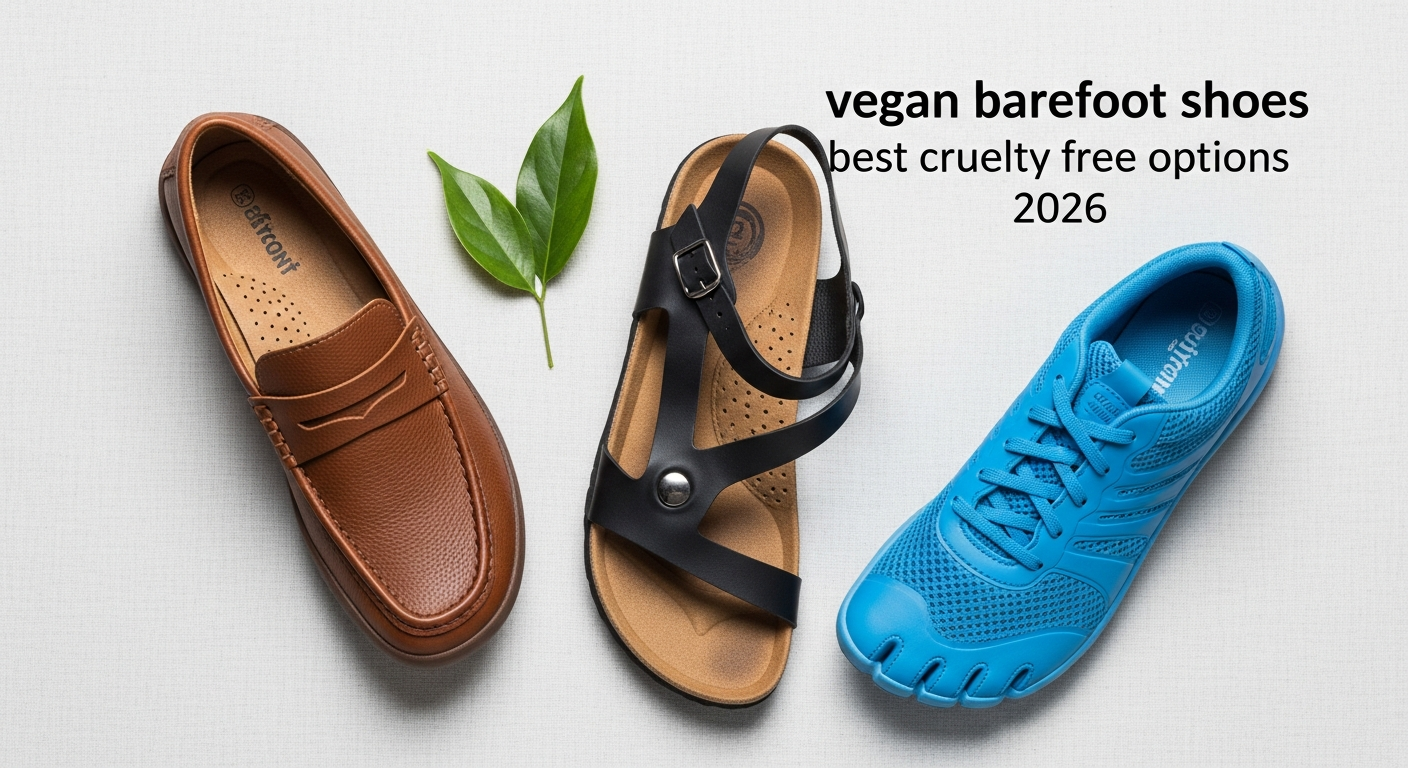
Choosing vegan barefoot shoes in 2026 means making informed decisions that balance ethical production, environmental impact, and optimal foot health. While plastic-based synthetics offer cruelty-free options, the rise of innovative bio-leathers presents exciting, more sustainable alternatives. Always consider the full lifecycle of your footwear, from its materials and manufacturing to its durability and end-of-life options.
By prioritizing brands committed to transparency, circularity, and high-performance vegan materials, you can confidently step into a future where your footwear supports both your values and your natural movement.
Ready to experience natural movement? Explore JOYO Barefoot's collections designed for optimal foot health and natural movement.
Before You Buy, Get the Fit Right
Use JOYO's size guide and then continue to the store for your exact barefoot profile.
Open Size Guide Continue to Shop